
Best Restaurants in Rome: Where to Eat and What to Order
Best Restaurants in Rome: Where to Eat and What to Order
Contenidos de esta página sobre Roma
- Attractions, set menus and wine tastings with the Go City Rome Explorer Pass
- What to eat in Rome
- Carbonara
- Fiori di zucca
- Pasta Cacio e Pepe
- Pasta arrabbiata
- Pasta all'amatriciana
- Bruschettas
- Supplì
- Scaloppine
- Abbacchio alla cacciatora
- Carciofi alla giudia / Carciofi alla romana
- Trippa alla Romana
- Cheeses
- Gelato
- Attractions, set menus and wine tastings with the Go City Rome Explorer Pass
- Types of places to eat in Rome
- Ristorante
- Trattoria
- Osteria
- Tavola calda
- Rosticceria
- Mescita
- Pizzerias
- Where to Eat in Rome
- Da Enzo al 29 – Trastevere
- Trattoria Vecchia Roma – Esquilino / Termini
- Osteria Barberini – Veneto
- Da Armando al Pantheon – Pigna
- Eating well and cheaply in Rome
- Eating healthy in Rome
- Food experiences with the Go City Rome Explorer Pass
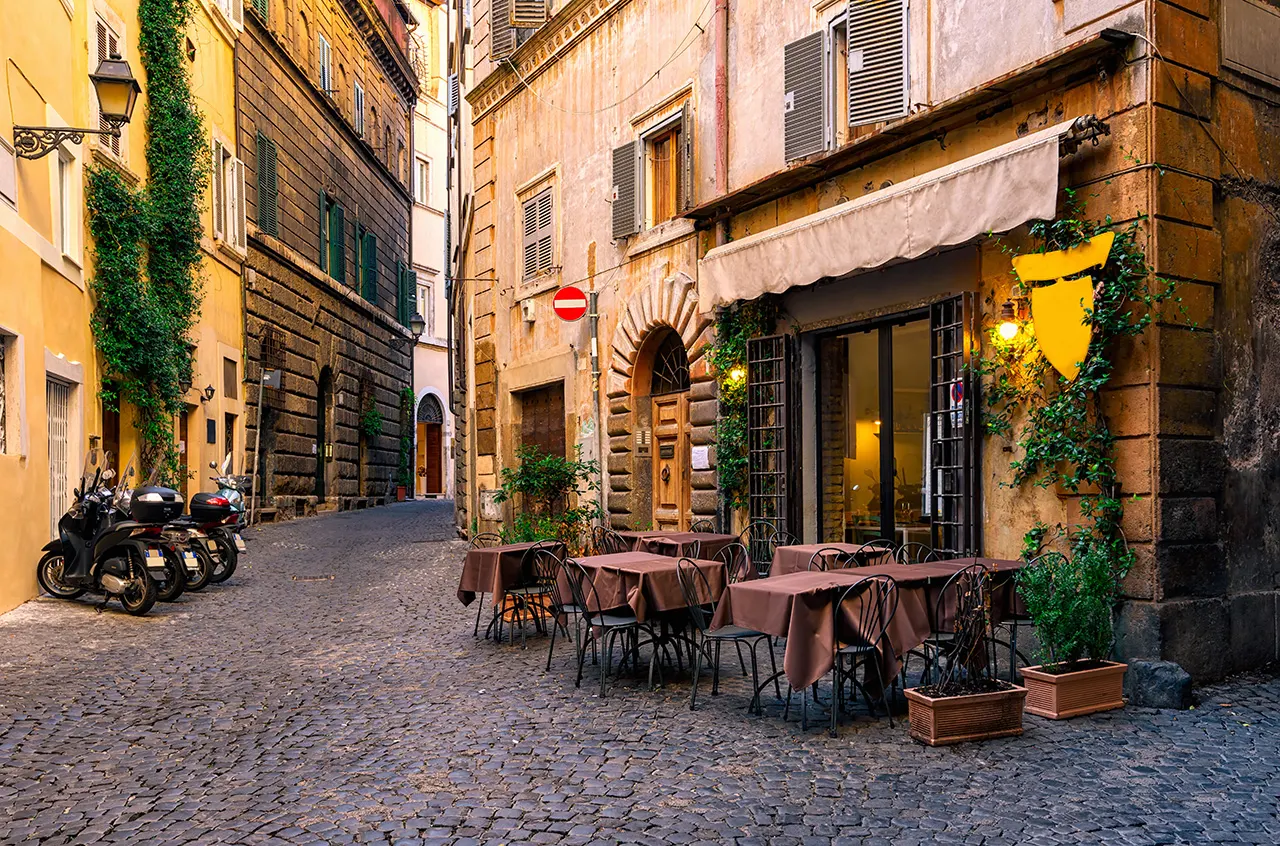
Eating in Rome is such a glorious experience that some people come to the city for that reason alone.
As you'd expect, pasta is the star of the show. But it's far from the only thing: vegetables, meats, pizzas and desserts will have you missing the city and planning your return.
Most places serve pasta with the sauces that are famous outside Italy, but if you want to eat something genuinely Roman, try some of the specialties we recommend below.
After the dish recommendations, you'll find a list of places we trust.
Buon appetito!
What to eat in Rome
Carbonara
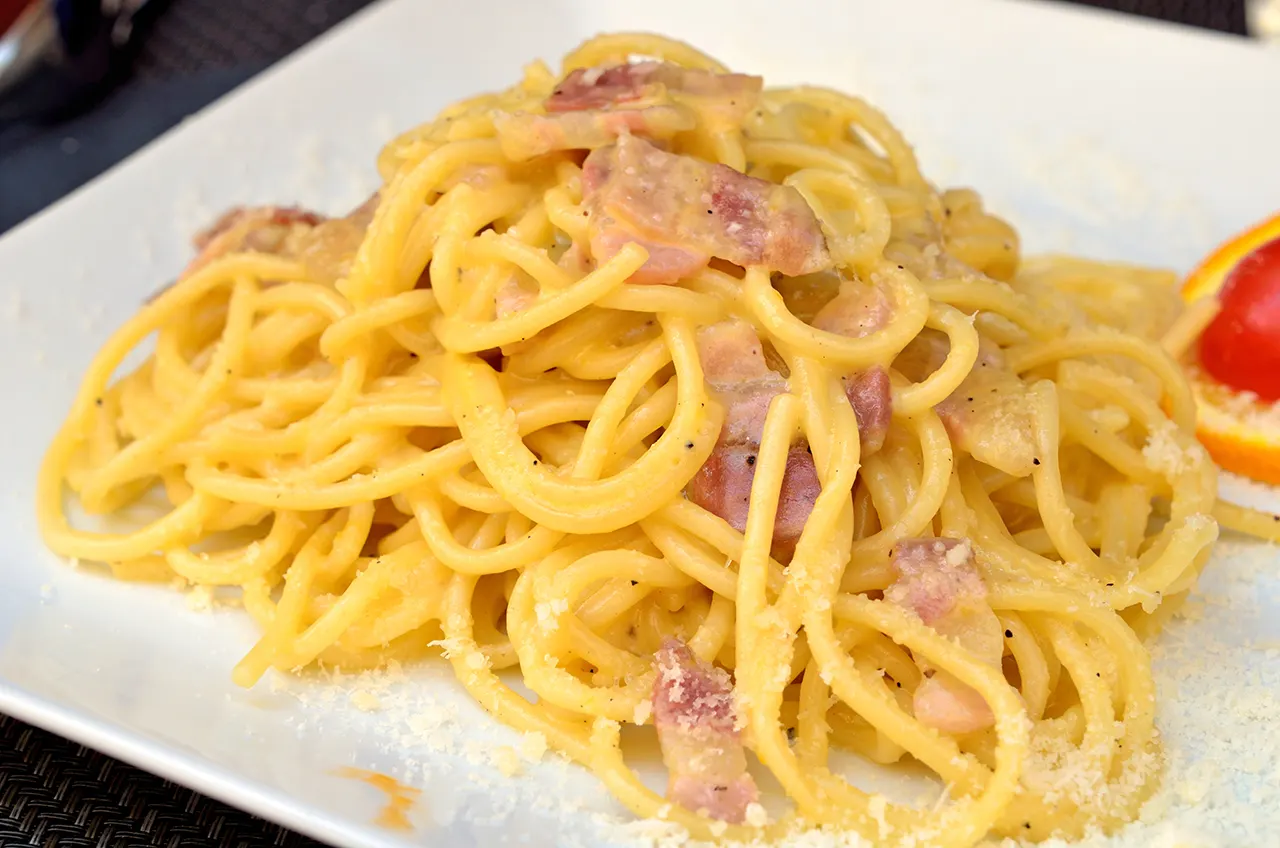
If you've never been to Italy, chances are you've never eaten a real carbonara. The pasta, and you can usually pick the shape, comes with a sauce made from eggs, pecorino and parmesan, pancetta and pepper. Have it on your first day, because you'll want it again for the rest of the trip.
Fiori di zucca
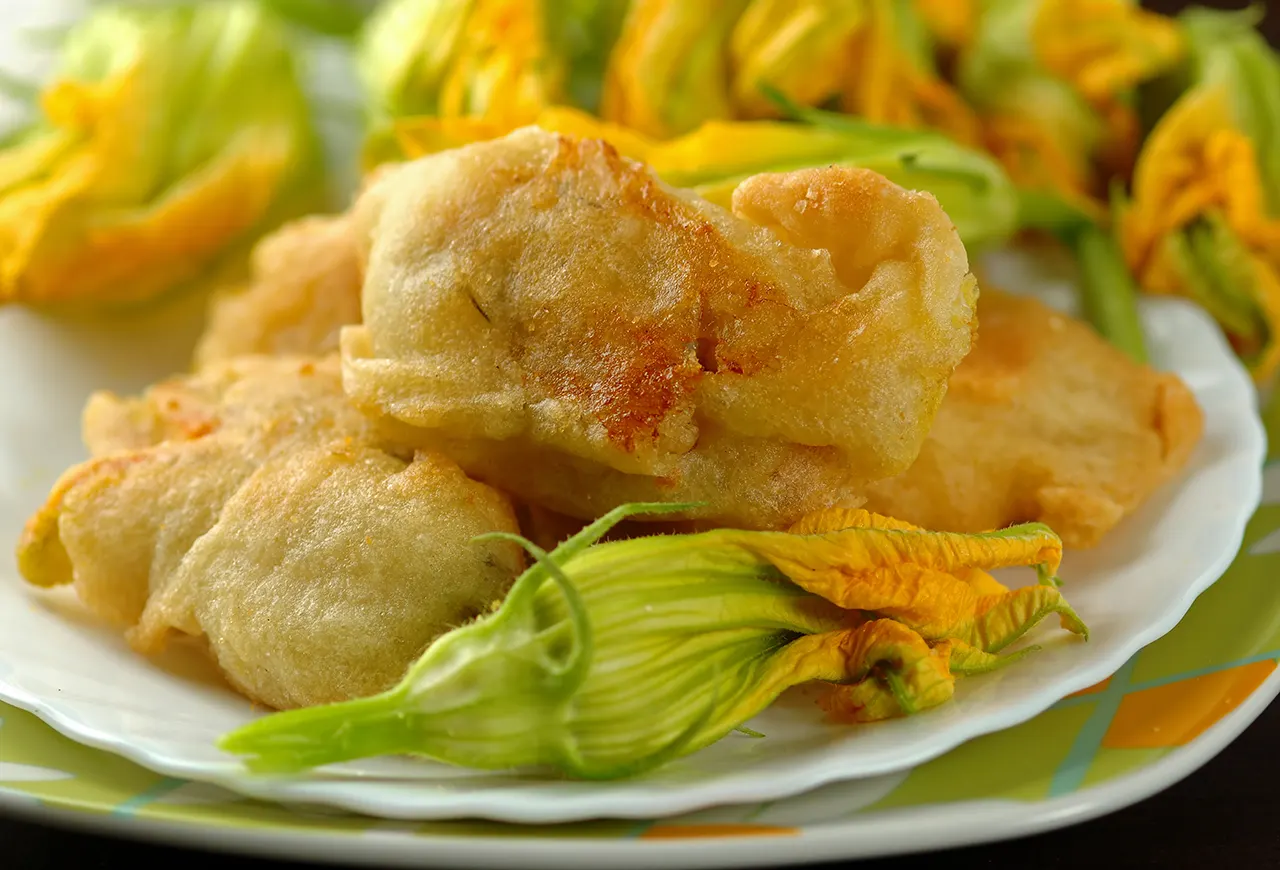
As we said above, it isn't all pasta. In Rome you can even eat flowers. Zucchini blossoms are stuffed with mozzarella and anchovies and fried in oil. Delicious, and not to be missed.
Pasta Cacio e Pepe
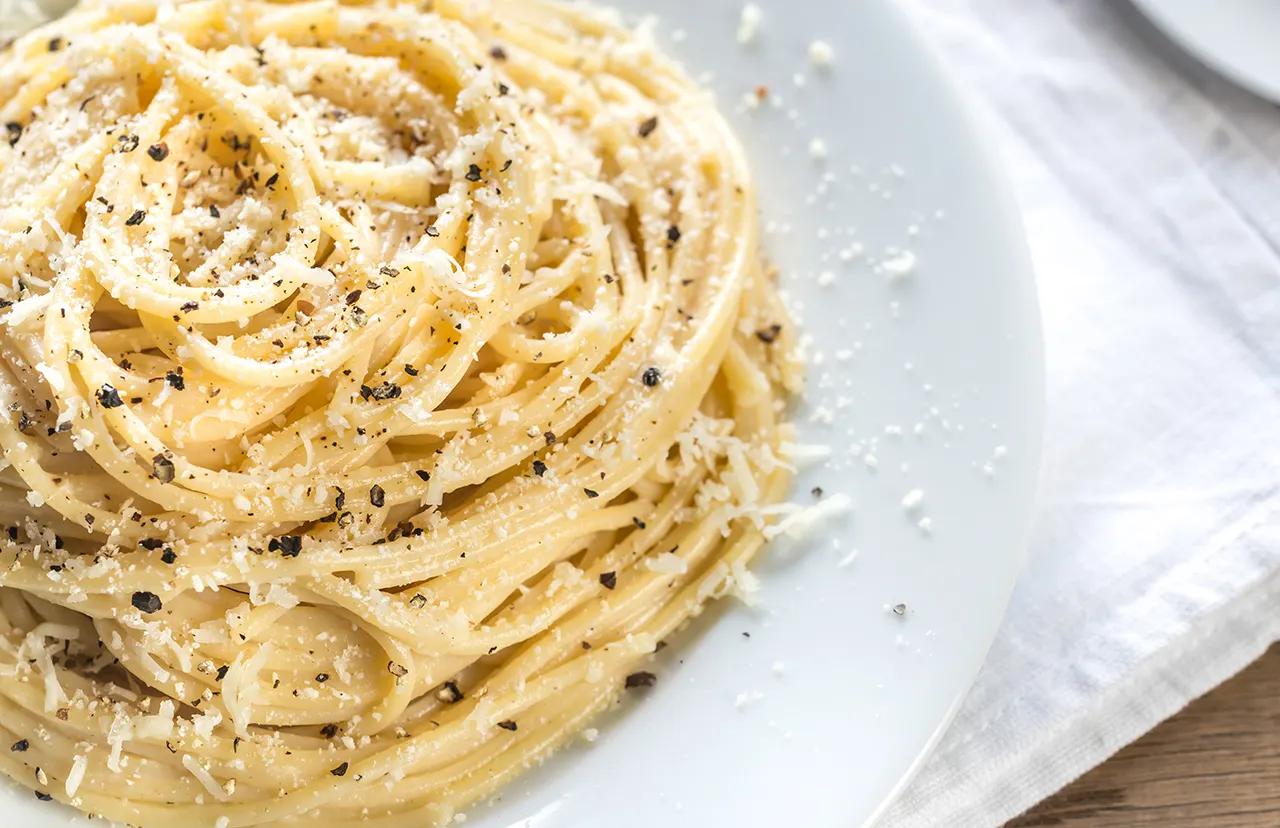
One of the simplest pasta dishes on the menu. Pecorino (lots of it) and black pepper. The cheese melts with the heat of the pasta, and you shouldn't underestimate the power of this dish.
Pasta arrabbiata
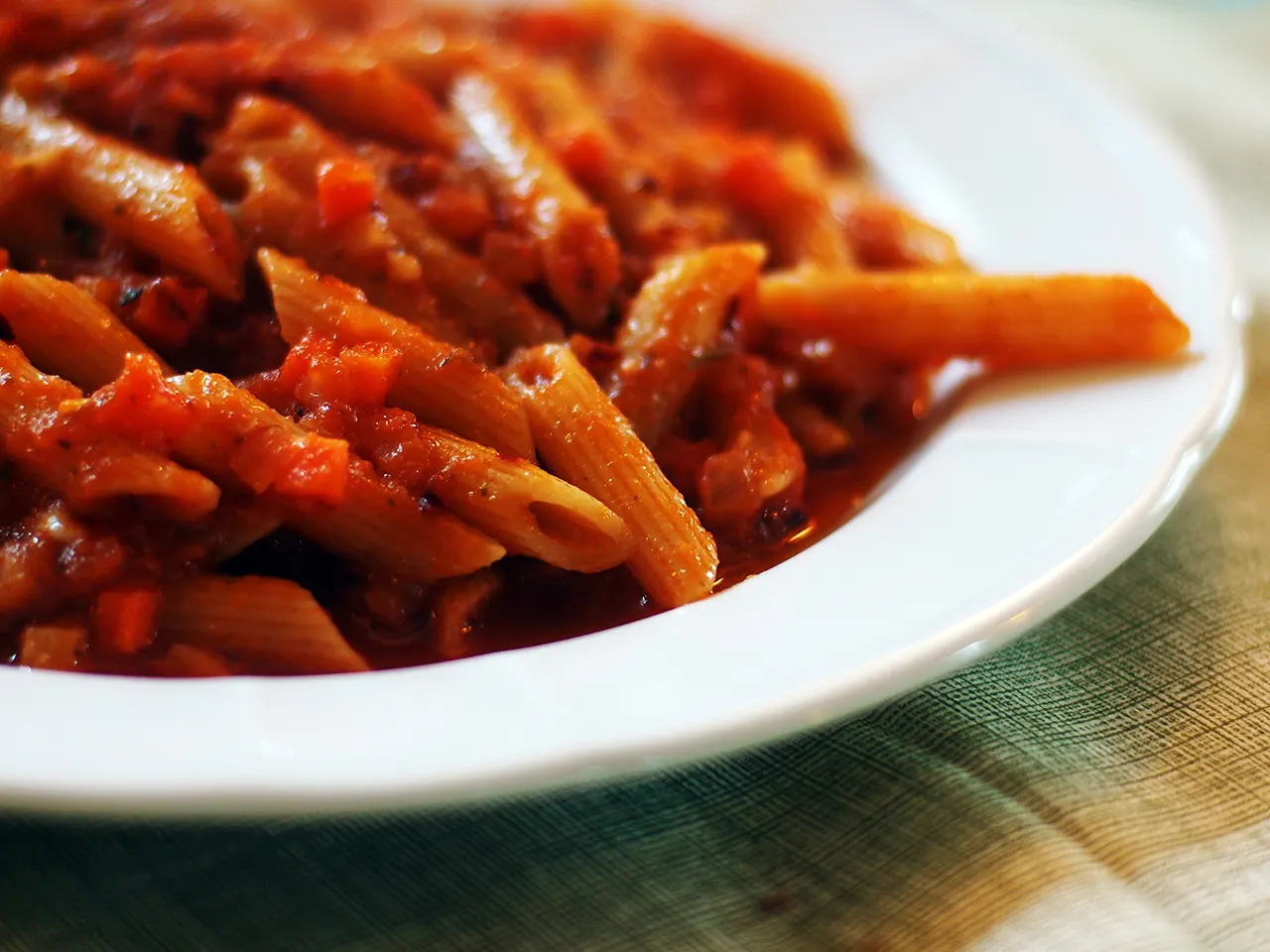
A pasta dish with a spicy kick. The sauce is tomato-based, but several special ingredients define it: garlic, hot chiles, and at some restaurants capers and other house secrets.
Pasta all'amatriciana
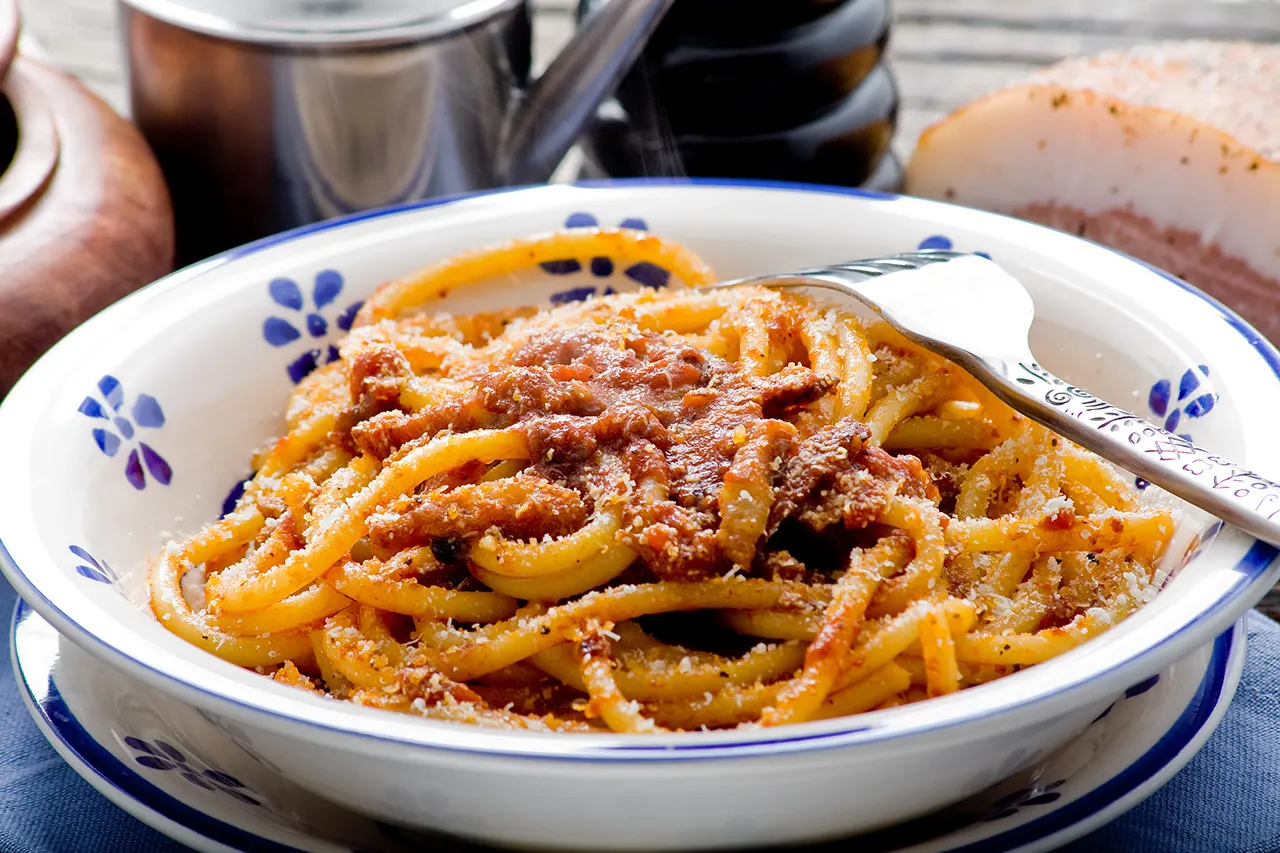
A simple sauce for tomato lovers. To the tomato and pecorino base, a little guanciale is added at the end, a traditional Italian cured meat.
Bruschettas
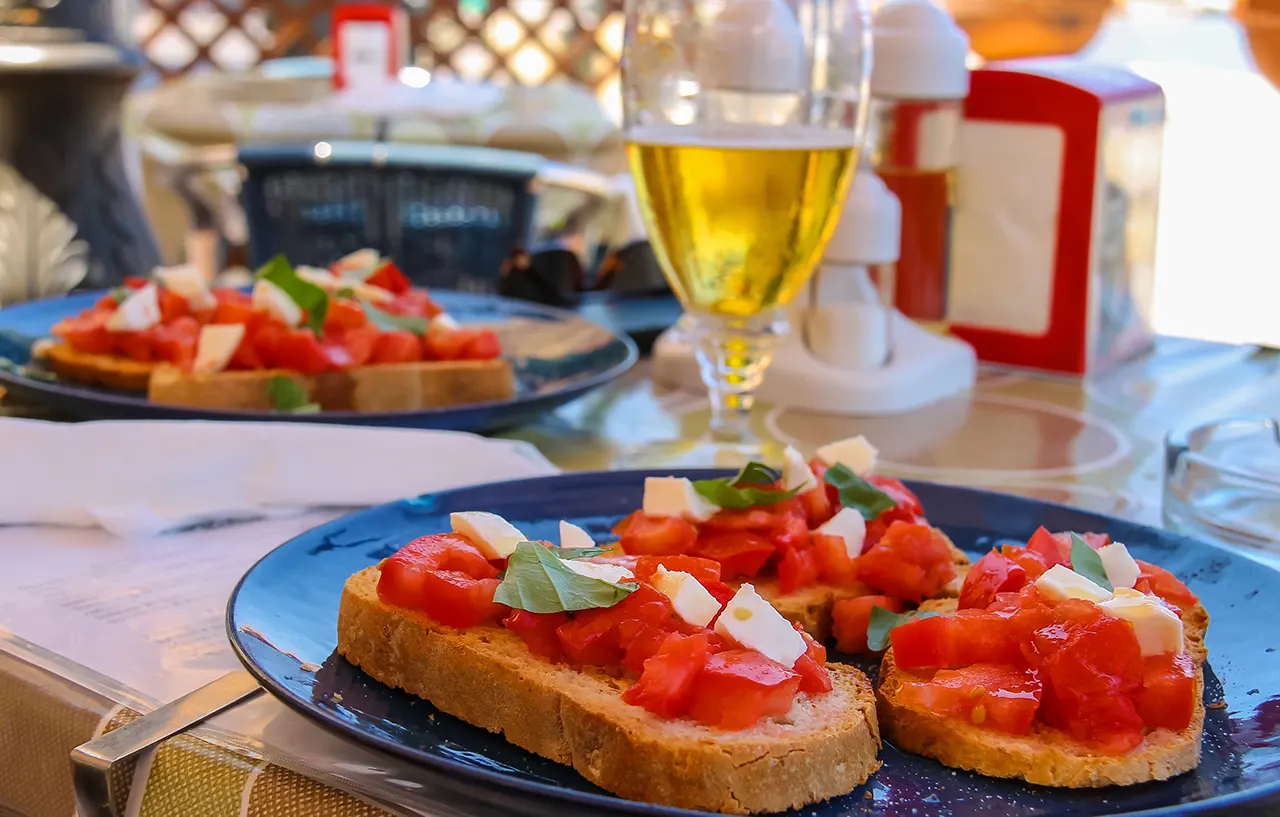
Bruschetta has become fashionable everywhere, so you've probably tried it already. In Rome it's usually served as a starter, or antipasto. The bread is toasted, then rubbed with garlic and drizzled with olive oil, and it can carry all sorts of toppings, tomato being the most popular.
Supplì
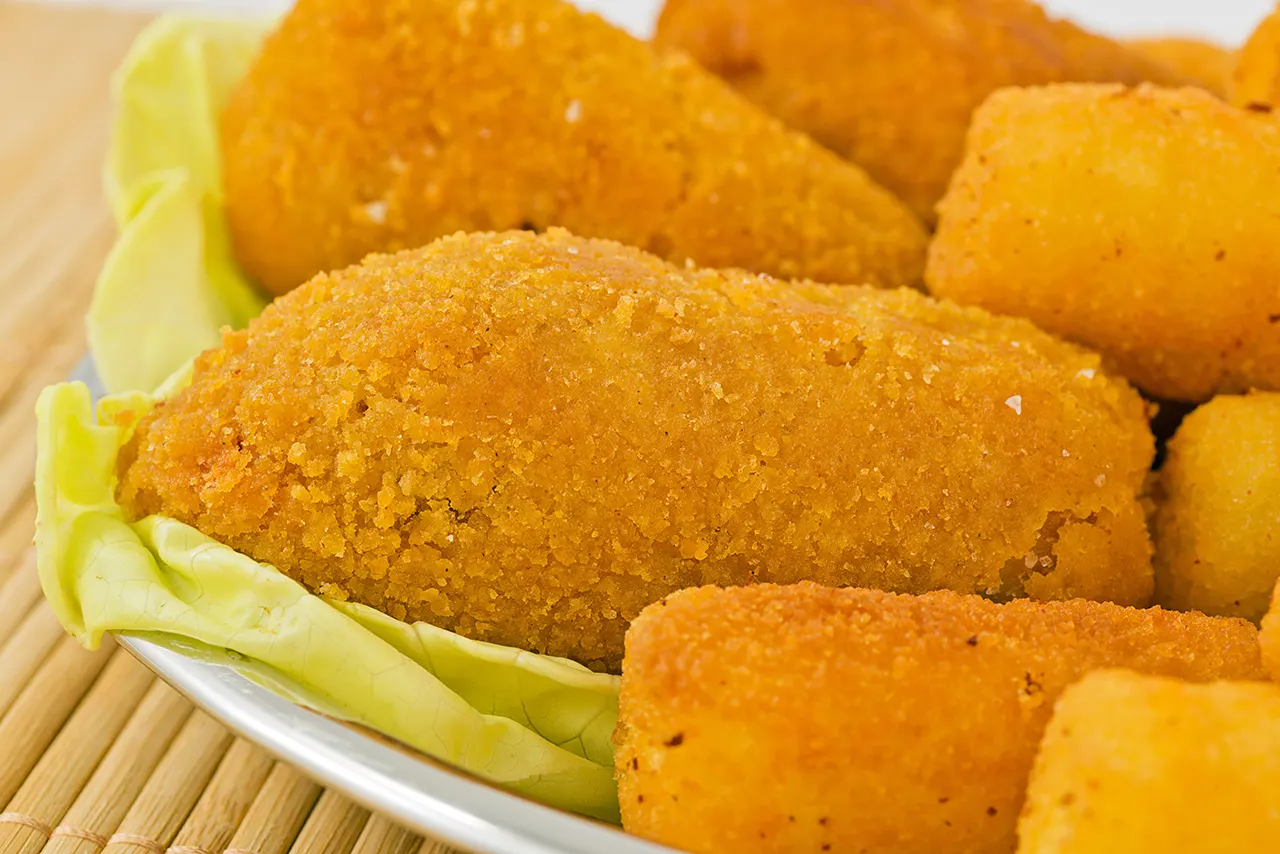
This is a delicious snack for when you're out exploring Rome and feel your energy fading. They're also called supplì al telefono, and they're rice croquettes stuffed with cheese (though there are other versions), breaded and fried. A very similar specialty you'll also find in Rome is arancini, typical of Sicilian cooking.
Scaloppine
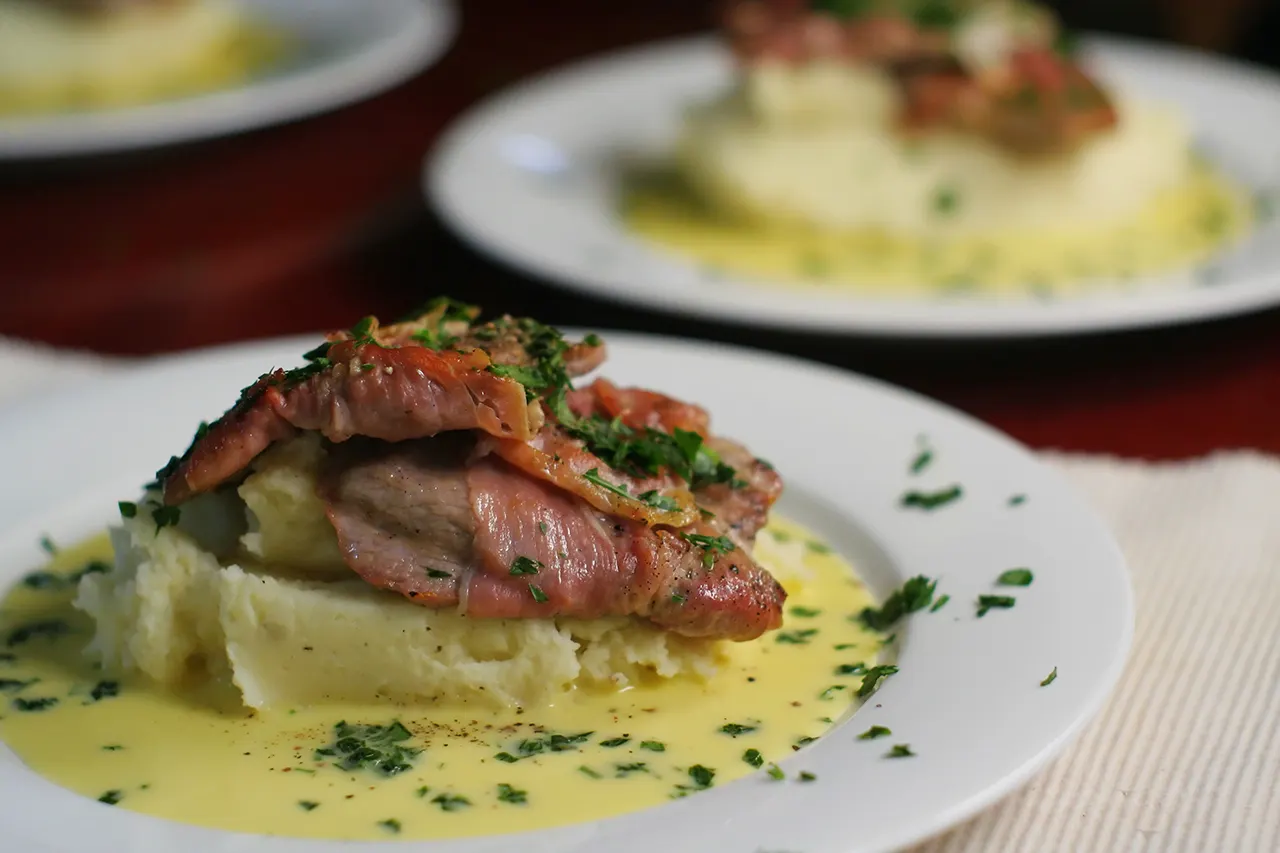
Meat shines on Roman menus too. These are small cutlets of veal, chicken, pork or other meats, floured (or not) and served with a tomato and wine sauce. They usually come with vegetables and rice, and you'll find plenty of variations both in the meat used and in the sauce ingredients.
Abbacchio alla cacciatora
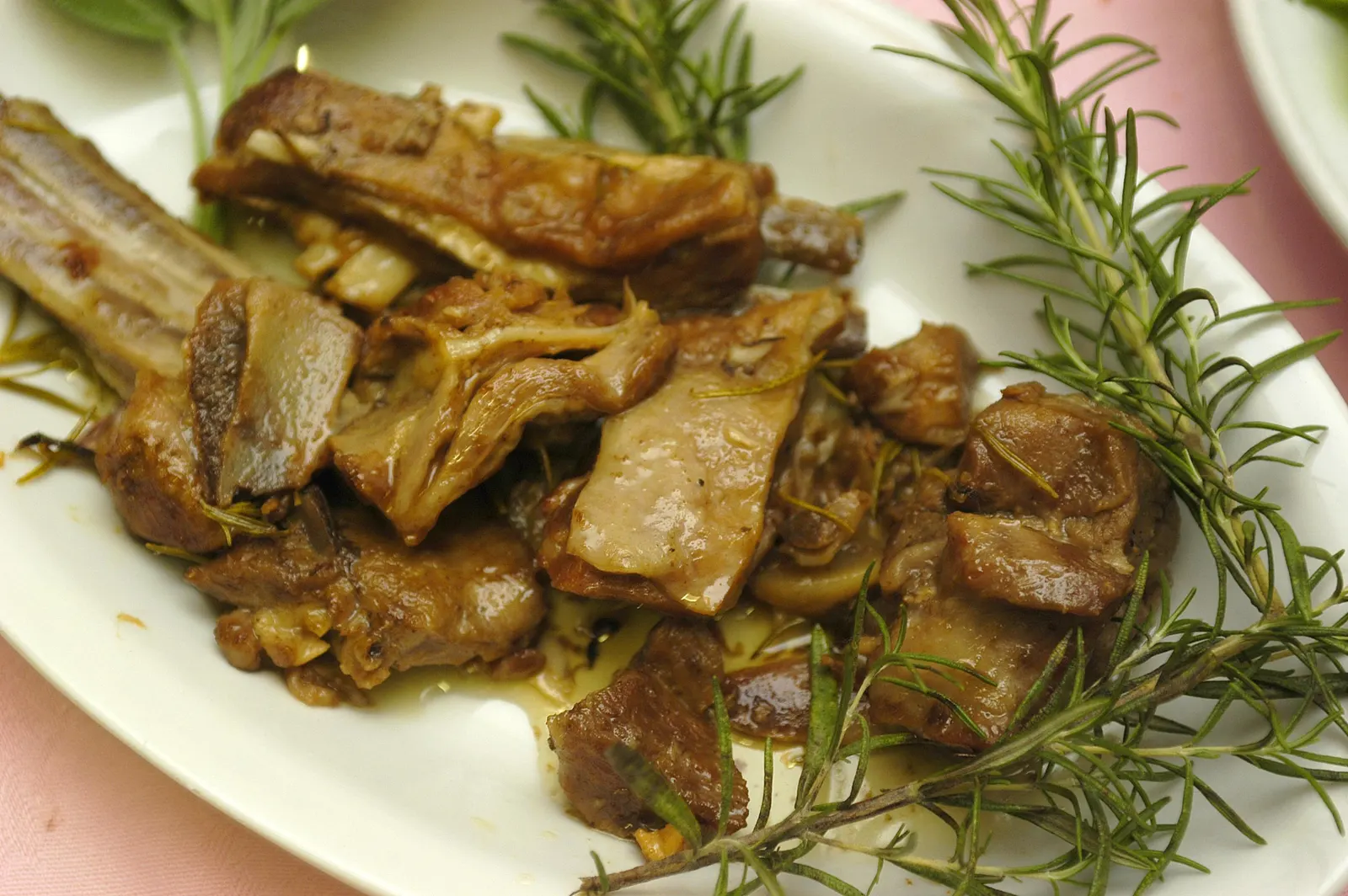
Vegetarians, skip ahead to the next section. Meat lovers, don't leave without ordering this one. It's tender little lamb chops marinated with garlic, anchovies and rosemary.
Carciofi alla giudia / Carciofi alla romana
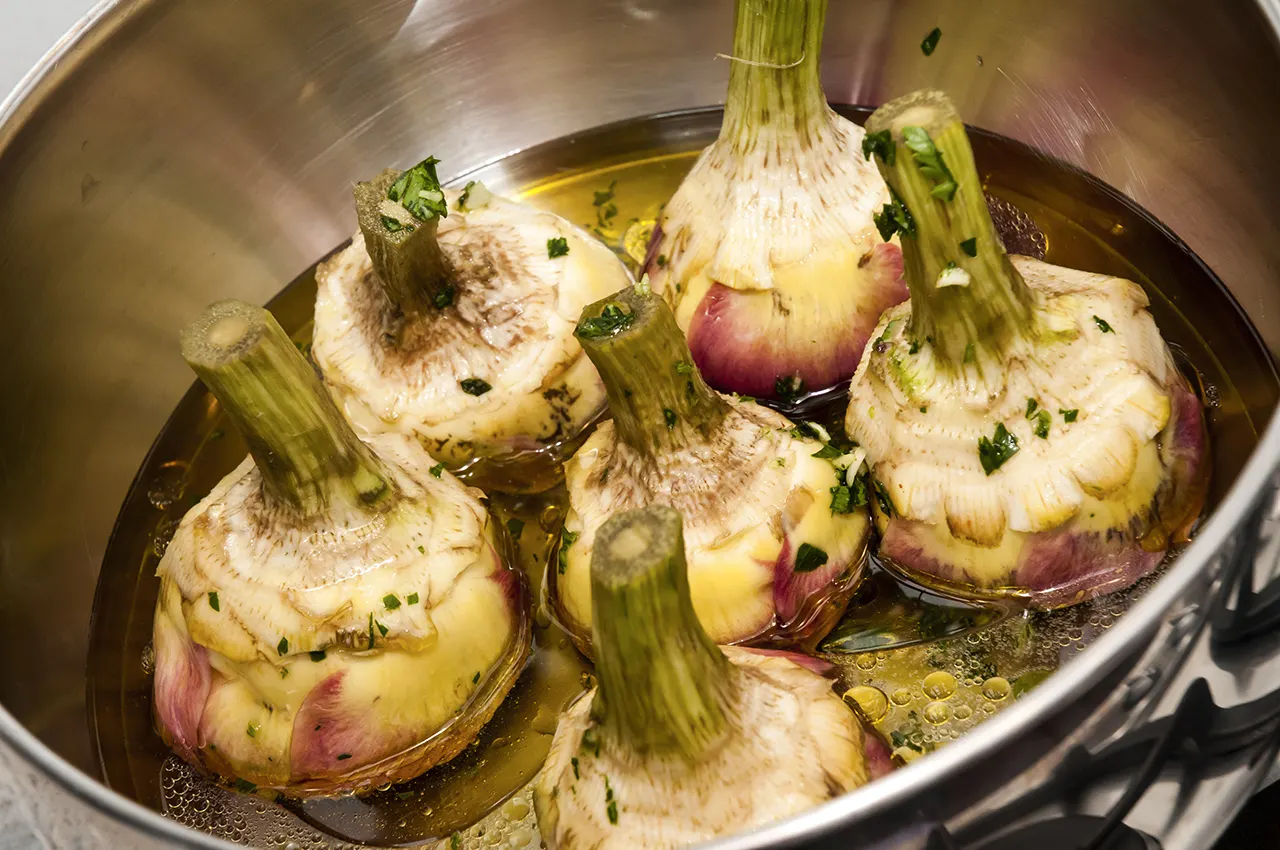
Both are artichoke dishes. Carciofi alla giudia is traditional to the city's Jewish community: the whole artichoke is seasoned with salt and pepper and deep-fried. Carciofi alla romana is a star antipasto in Rome, where the artichoke is stuffed with parsley, garlic and mint and cooked in white wine. You'll find them most easily in spring, when the local artichokes are harvested.
Trippa alla Romana
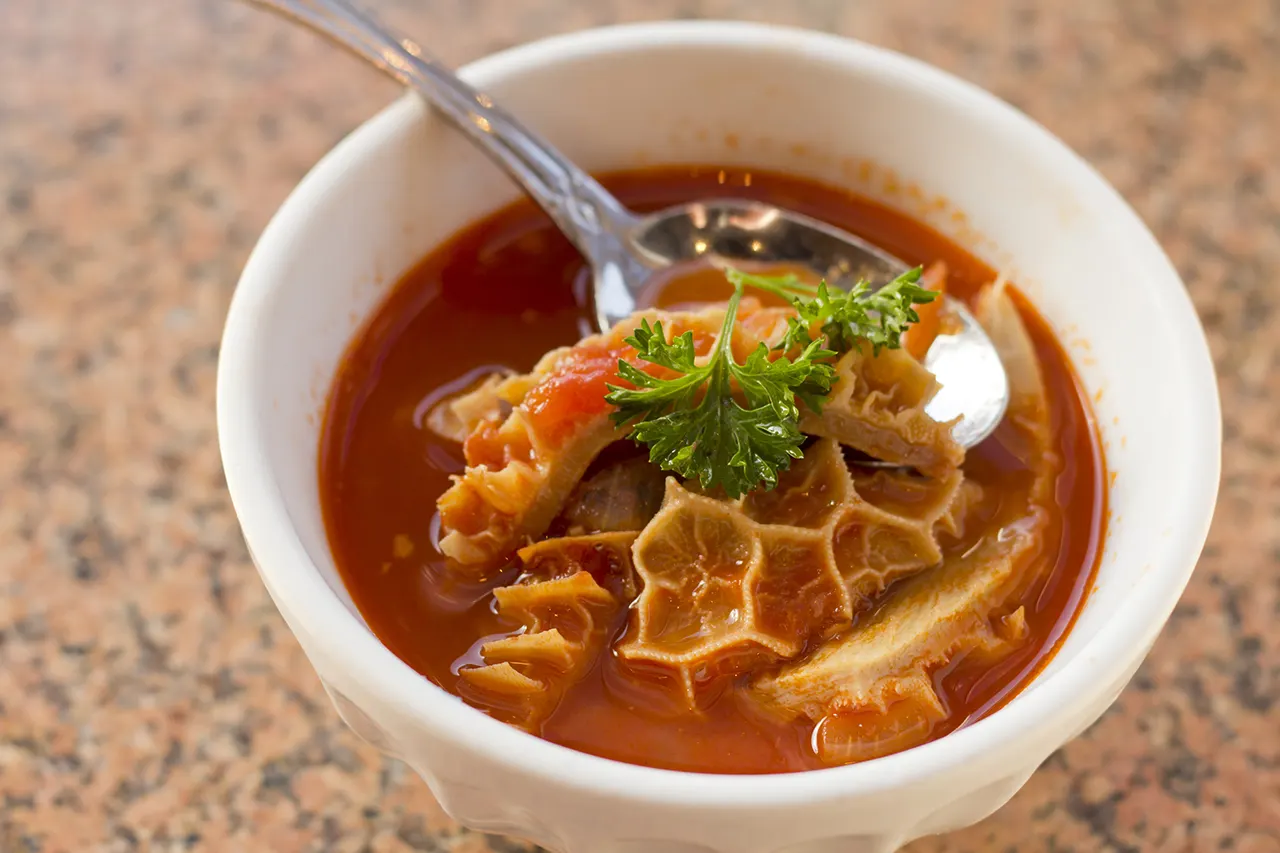
Tripe cooked in a sauce of tomato, garlic and onion, topped with pecorino and parmesan. A traditional recipe that brings back childhood memories for any local.
Cheeses
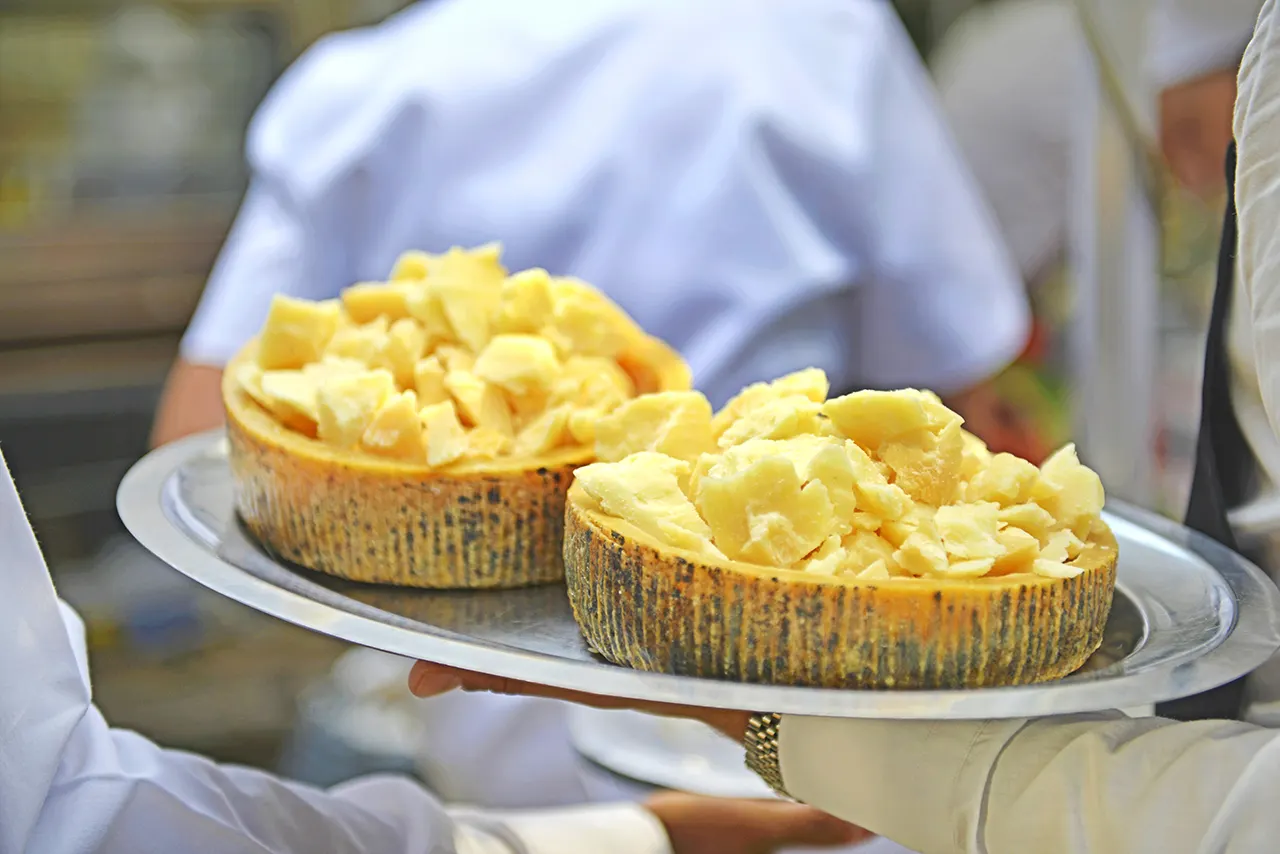
Italian cheeses (gorgonzola, grana padano, fontina, asiago, mozzarella, provolone, pecorino, parmesan), salads with seasonal ingredients and antipasti (starters) made with fresh vegetables and legumes with garlic and oil are an important part of the local diet, and they're always on the menu.
Gelato
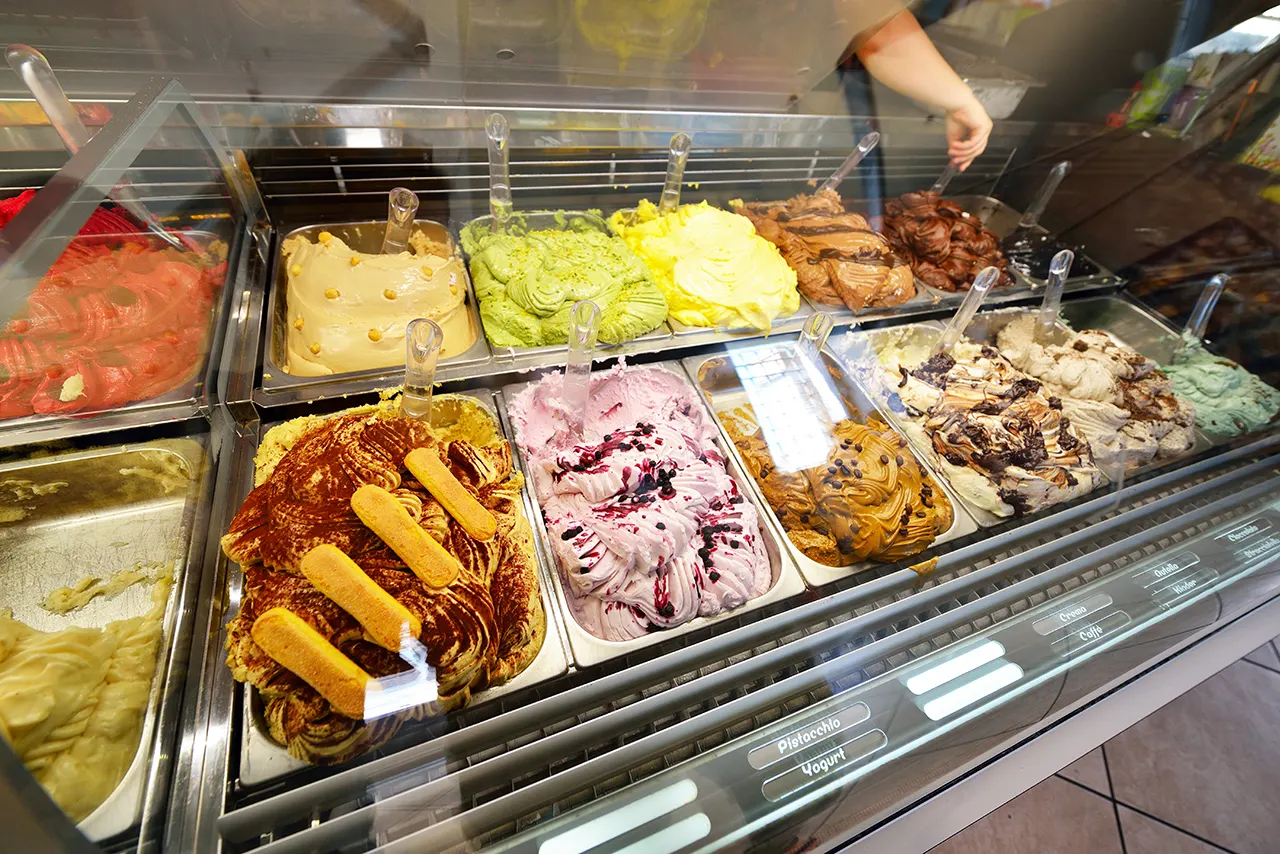
Desserts and ice cream round out the experience. You can't leave Rome without eating gelato, so visit more than one gelateria.
Types of places to eat in Rome
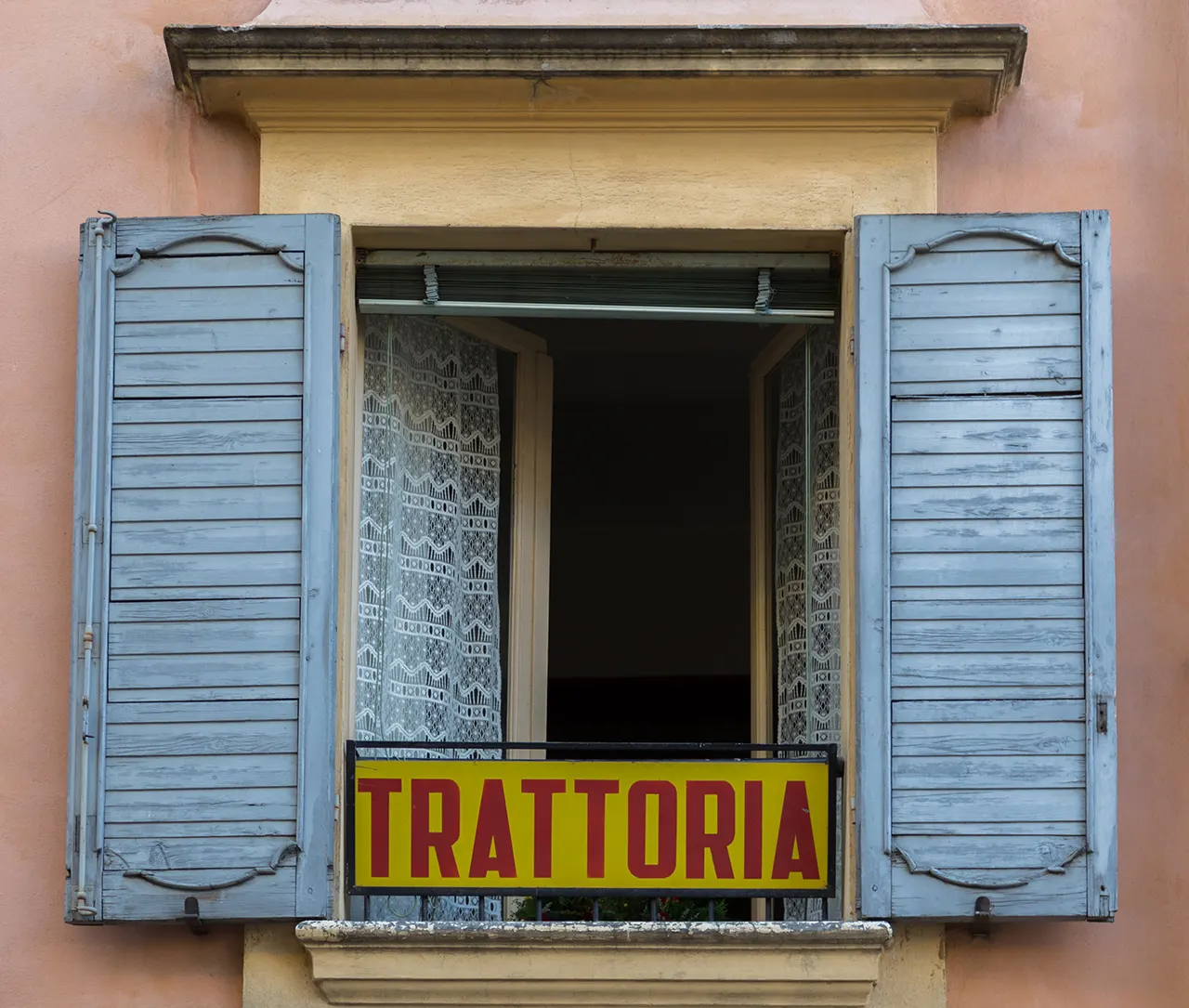
There are several types of places to eat in Italy. Ristorante, trattoria, osteria: what's the difference? We explain it in more detail in this post on Guiajando, and here's the short version:
Ristorante
A ristorante is the most formal option, with a long menu, professional waiters and full service. They tend to be the most expensive, though that doesn't mean you can't eat better at a humbler place.
Trattoria
A trattoria is that family-run spot, a little more casual and noisier. Generous portions, grandma's recipes and a rustic feel. Keep an eye on prices all the same, so you don't get a surprise, since some upscale places use the name trattoria to sound more traditional.
Osteria
An osteria is a kind of tavern, with a simple daily menu and house wine. You'll also find them called hostaria or taverna across Italy.
Tavola calda
A tavola calda is a place serving quick, simple snacks and sandwiches, like a paninoteca or a cafe.
Rosticceria
Rosticceria and Girarrosto are casual spots where you can buy roast chicken and fast-food specialties like supplì, fiori di zucca and pizza al taglio (pizza by the slice).
Mescita
Mescita, Fiaschetteria or Enoteca are places where wine is the main event. You can eat a few traditional small plates, paninis or simple pastas.
Pizzerias
Pizzerias in Italy are the places that serve whole pizzas, as opposed to the casual pizza al taglio counters that only sell slices.
Where to Eat in Rome
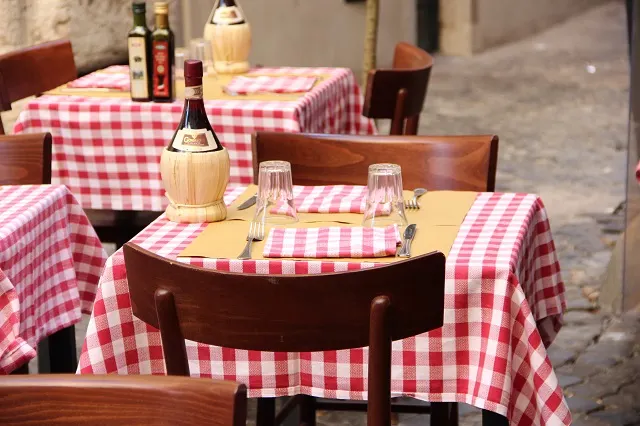
To make the choice easier, here are a few places where you can have an authentic Roman experience and delicious food, without falling into tourist traps.
Most traditional restaurants close on Sundays. The average price for a full meal for two at these places is €50 or more. For cheaper options, see the recommendations at the end of this post.
Da Enzo al 29 – Trastevere
Incredible food at a traditional spot. The only downside is that its quality has made it very popular, so you'll most likely have to wait for a table, but it won't disappoint. An excellent place to try carbonara, Amatriciana and fiori di zucca.
Address: Via dei Vascellari, 29, Trastevere. See map here. Hours: Closed Sundays. Open 12:30 to 15:00 and 19:30 to 23:00
Trattoria Vecchia Roma – Esquilino / Termini
One of the most famous places in the city. A classic Italian ristorante serving the city's signature dishes. The flambéed amatriciana is a house specialty you shouldn't miss. Book ahead if you can, because it's always busy (+39 06 4467143).
Address: Via Ferruccio, 12b/c, 00185 Rome. See map here. Hours: Closed Sundays. Open 12:30 to 15:00 and 19:00 to 23:00.
Osteria Barberini – Veneto
The starters, pastas, meats and desserts are all worth ordering at Osteria Barberini. If you're a truffle fan or you've always wanted to try them, this is a good place. You can also book ahead so you don't miss out on a table (+39 06 4743325).
Address: Via della Purificazione, 21, Veneto. See map here. Hours: Closed Sundays. Open 12:30 to 14:30 and 18:30 to 22:30.
Da Armando al Pantheon – Pigna
In the heart of Rome's historic center, right by the Pantheon, you'll find this classic of Roman cooking that's been going for more than fifty years. The eggplant parmigiana, the pasta carbonara and the bruschetta with black truffle are famous here. Book well in advance (+39 06 68803034).
Address: Salita dei Crescenzi 31. See map. Hours: Closed Sundays. Open 12:30 to 15:00 and 19:00 to 23:00.
Eating well and cheaply in Rome
You don't have to spend a fortune in Rome to eat well. There are small, casual places serving delicious, genuinely Italian pizzas or fresh pasta with the best sauces.
So you don't waste time and money somewhere that isn't worth it, we put together a couple of posts to keep you on safe ground:
Eating healthy in Rome
If you'd rather go for something light and healthy, the Explorer pass from Roma Pass includes a meal at any Vero restaurant in Rome.