
Rome Neighborhoods: Which One Is Right for Your Stay
Rome Neighborhoods: Which One Is Right for Your Stay
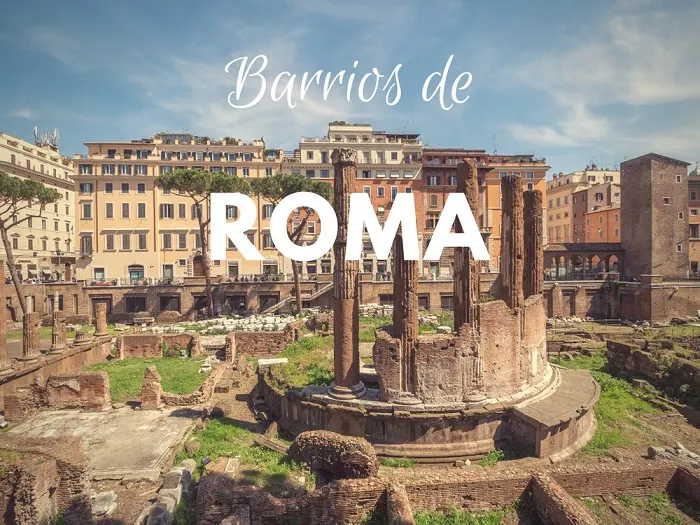
The first thing you should know about the neighborhoods of Rome, specifically those in the historic center, is that since the Middle Ages they have been known as «Rione«. A word that changes in the plural to «Rioni«. Today, the historic center of the city of Rome is divided into 22 rioni.
Each neighborhood, or rione of Rome has its own charm and history. Its streets and old buildings are a big part of the experience of getting to know «the Eternal City».
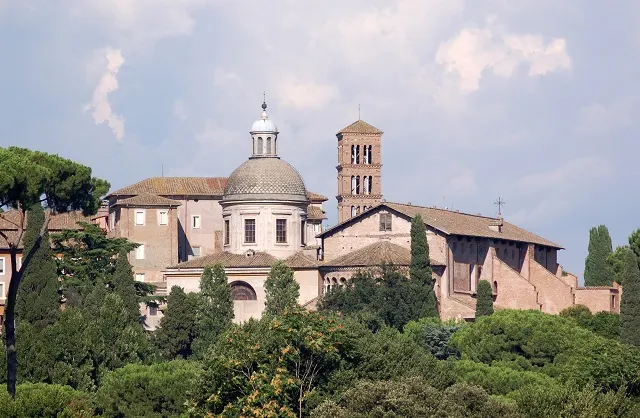
Celio
It is one of the Rome's 7 hills. A down-to-earth neighborhood tucked behind the famous Coliseo that is packed with restaurants and bars on the Via San Giovanni. A neighborhood with good places to stay and a bit quieter than the rest of the Centro Storico.
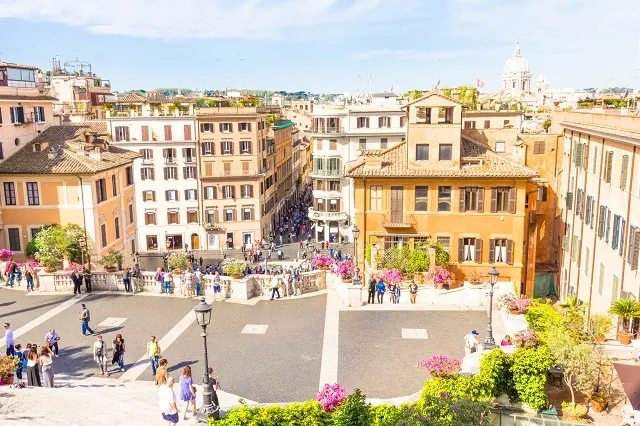
Campo Marzio
El the Roman Campus Martius, not to be confused with the the Champ de Mars in Paris, is the neighborhood where you'll find two of Rome's most famous squares: Piazza del Popolo y Plaza España.
This vecindario romano sits between the river and the hills, and many locals consider it the real center of Rome.
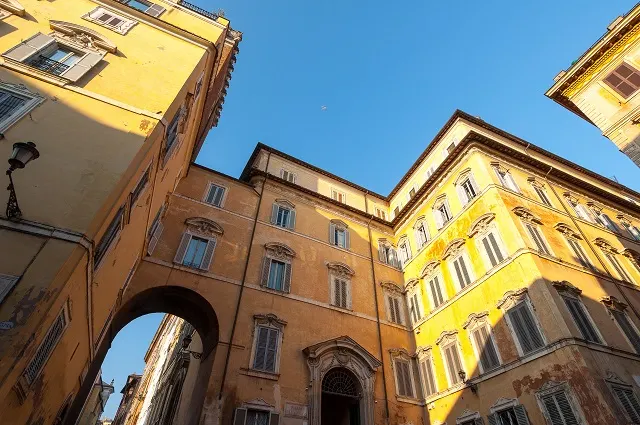
Monti
Rome's bohemian neighborhood, located behind the Colosseum. Perfect for getting away from the most tourist-packed spots.
It feels like a small Italian village in the middle of the city. The square that bears its name is a popular meeting spot for young people, locals, artists, tourists and families.
Prati
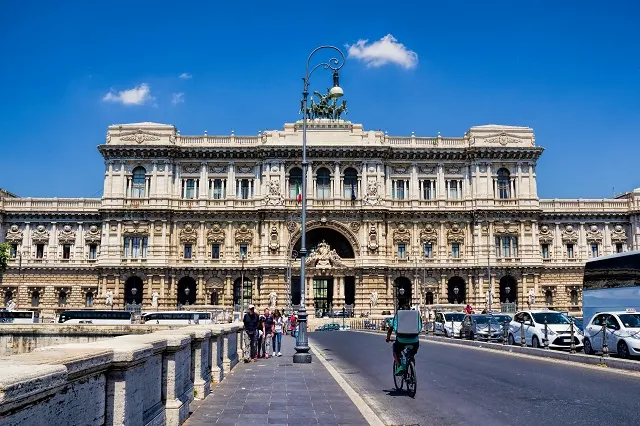
Despite being next to the Vaticano, the Prati neighborhood has some very quiet corners and is a great choice if you want to stay somewhere nice for less. The Palace of Justicebuilding, its well-kept squares and gardens, and the calm that usually reigns in this neighborhood all make it very appealing.
Parione
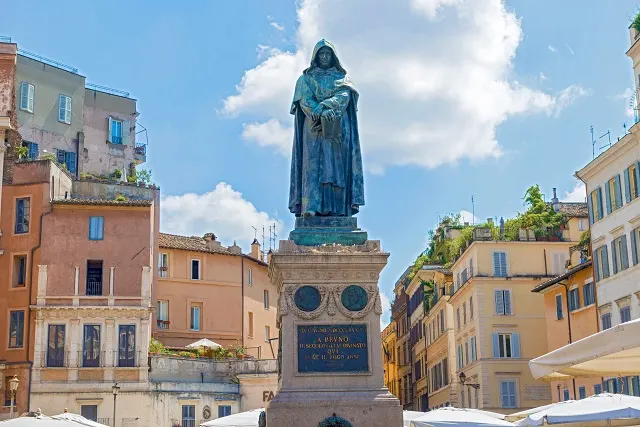
The heart of Rome's Parione neighborhood is the lovely and much-loved Plaza Navona. This area is also home to Campo de' Fiorisquare, which hosts a popular market every morning and, once the sun goes down, fills up with young locals and visitors who gather by the fountain to hang out or grab a drink before heading to the nearby clubs.
Pigna
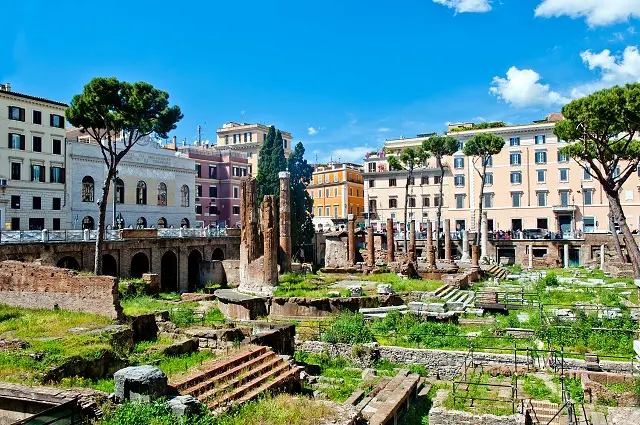
Even if the name doesn't ring a bell, this is the neighborhood where you'll find the unmissable Panteón y Plaza Venecia. The meeting point for tourists and locals alike in Pigna es el Panteón, though you'll very likely also wander through the Largo di Torre Argentina, with its valuable archaeological remains and its curious cat sanctuary.
Trevi
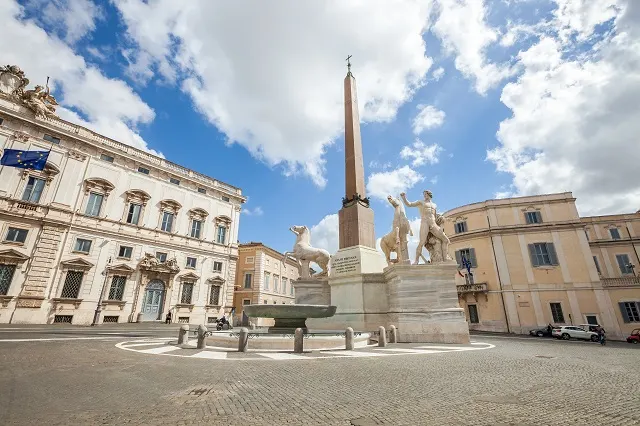
Yes, this is where you can stand in awe of the famous fountain of the same name, but also of other important monuments such as the the Quirinal Palace, official seat of the President of the Republic and a museum open to the public. On top of that, Trevi is home to plenty of restaurants, hotels and shops.
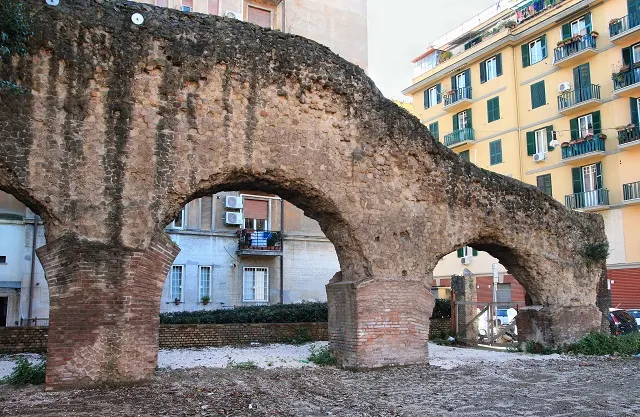
Testaccio
The name comes from the monte located there. Residents of the Circo Máximo. You eat very well in this area, at simple, authentic restaurants. Testaccio is a straightforward, genuinely Roman area with no pretensions. Art, culture and nightlife all have plenty of room here.
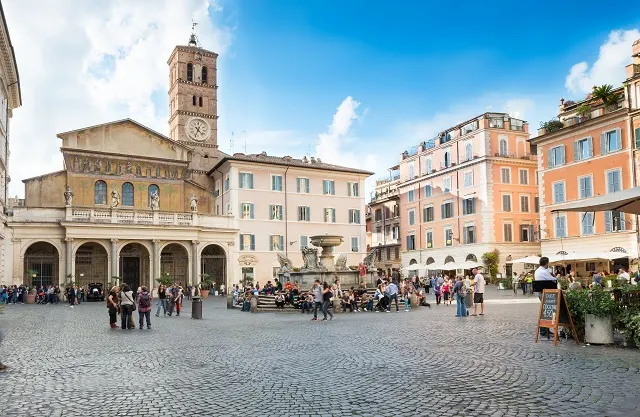
Trastevere
Trastevere is a charming neighborhood. It's quiet and has lots of accommodation. You'll find trattorias, squares, bars and restaurants with plenty of buzz but without the excessive bustle of other central areas. It's perfect for families and for anyone looking for a good, affordable place to stay.
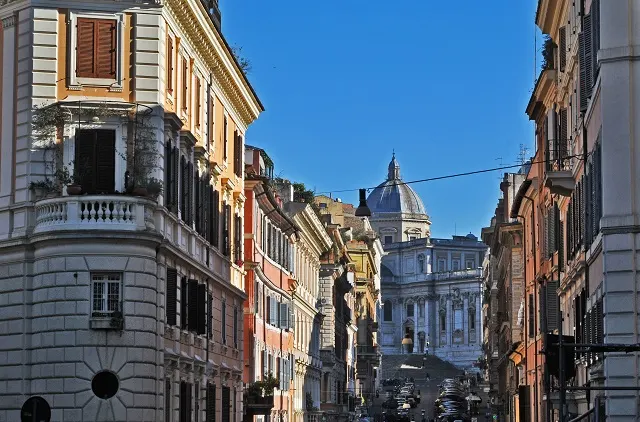
Esquilino
Located next to the Termini, Esquilino is one of Rome's seven hills. It may not be one of the prettiest areas, but it's very lively thanks to the station and the markets held here. Its market in Via Principe Amedeo is one of the most important spots in the area.
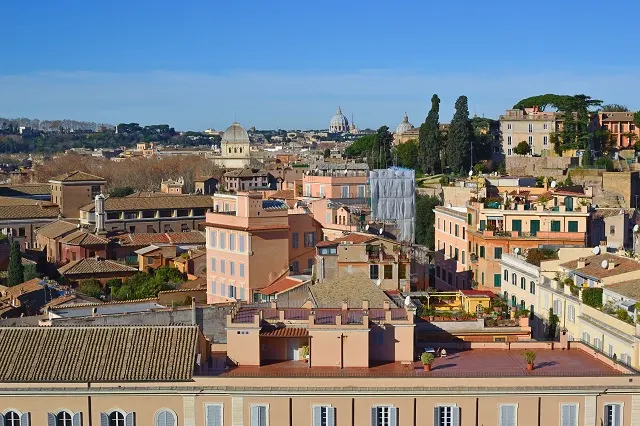
Campitelli
This is one of the Roman neighborhoods with the most ruins and monuments: The Colosseum y el Roman Forum, for example. Campitelli is the heart of ancient Rome and a place you won't want to miss. In the streets of this neighborhood, hidden treasures of history are still being uncovered today, and they are what make Rome the precious, wonderful place it is.
Rome's historic center isn't very big, and is easy to explore on foot if you're used to walking. If you want to make the most of a short stay, check out our guide on how to plan Rome in 3 days. Otherwise, you can use the transporte público. In that case, keep in mind that traffic tends to be heavy at rush hour.
To round out your knowledge of the neighborhoods, you can also take a look at Where to Stay in Rome.