
What to See in Rome: 25 Places You Shouldn’t Miss
What to See in Rome: 25 Places You Shouldn’t Miss
Contenidos de esta página sobre Roma
- Must-see places in Rome
- 1. The Catacombs of Rome
- 2. Castel Sant'Angelo
- 3. The Colosseum: a Rome essential you can't miss
- 4. The Roman Forum, to relive the glory of ancient Rome
- 5. St. Peter's Basilica: one of the best places to visit in Rome
- 6. The Vatican Museums and the Sistine Chapel: one of the most astonishing things to see in Rome
- 7. Circo Massimo: one of Rome's must-see open-air monuments
- 8. The Trevi Fountain, Rome's most famous fountain
- 9. The Pantheon, one of humanity's most perfect works
- 10. The Spanish Steps, a Rome landmark with plenty of history
- 11. Piazza Venezia and the Altar of the Fatherland
- 12. Piazza Navona, the one square you can't miss in Rome
- 13. Piazza del Campidoglio
- 14. The Baths of Caracalla
- 15. Villa Borghese, the best park to see in Rome
- 16. The Borghese Gallery
- 17. The Mouth of Truth
- 18. Via Appia Antica
- 19. Piazza del Popolo
- 20. The Pincio terrace: a spot to visit in Rome with the best sunsets
- 21. The Orange Garden: what to see in Rome for an unforgettable panorama
- 22. Centrale Montemartini Museum: things to see in Rome where art meets industry
- 23. The Protestant Cemetery: a Rome must-see among poets' graves and cypresses
- 24. Palazzo Doria Pamphilj: a palace for lovers of art and architecture
- 25. The Gianicolo hill: one of the best places to visit in Rome for panoramic views
- Discover Rome like a local
What to see in Rome? These are the things you can't leave out of your trip to the Eternal City.
Rome has it all: iconic monuments that take your breath away, neighborhoods with a thousand stories, food you'll fall in love with, and that bohemian air that makes you feel part of the city. Wander among thousand-year-old ruins in the Roman Forum, be amazed by the sheer scale of the Colosseum, and get lost in the lanes of Trastevere, where every corner hides a cozy trattoria.
Climb St. Peter's Dome or head up to the Pincio terrace and watch the sunset wash domes and rooftops in ochre. An art lover? Admire the frescoes of the Sistine Chapel and the Renaissance splendor of Piazza Navona.
Rome is a city to savor slowly, to discover unexpected corners in, and to return to again and again. Whether you're here for a weekend or staying longer, here are the 25 essentials that will make your Roman experience unforgettable.
Must-see places in Rome
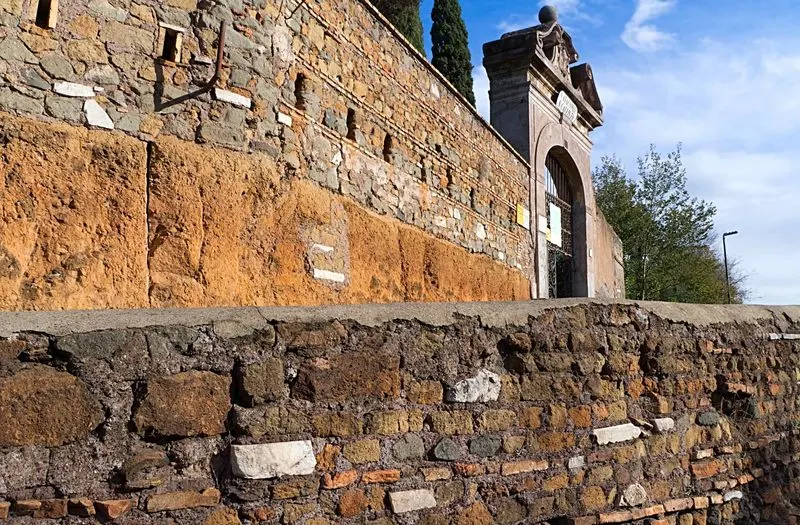
1. The Catacombs of Rome
The catacombs of Rome are vast underground cemeteries where the first Christians buried their dead, often more than 10 meters below ground, in galleries that add up to nearly 200 km of passageways.
The most famous: San Callisto, with its more than 20,000 burials, and San Sebastiano, along the ancient Via Appia. Both hold paintings, symbols and inscriptions that reveal the spiritual, clandestine life of the earliest Christian communities. The frescoes depict biblical scenes, symbols such as the fish or the good shepherd, and even Greek-Latin inscriptions recalling prayers and the names of martyrs.
These catacombs were secret meeting places for celebrating the Eucharist in the crypt of Pope Zephyrinus (3rd century), and they still preserve remains of oil lamps and niches for small holy oils. Exploring their narrow corridors means stepping into a labyrinth of faith and memory, where every corner whispers the stories of those who risked their lives for their beliefs.
Get your tickets for the Catacombs of San Callisto and the Catacombs of San Sebastiano.
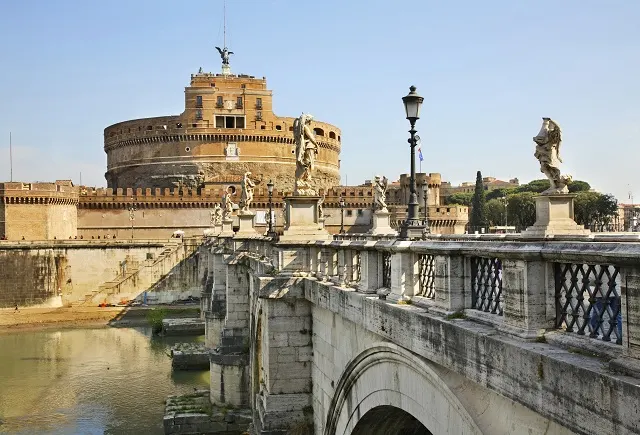
2. Castel Sant'Angelo
Castel Sant'Angelo is a Roman monument built in the year 135 by Emperor Hadrian as his personal mausoleum. Over the centuries it played a key role in the city's defense, and today it's one of the top sights in Rome.
During the Middle Ages and the Renaissance it was adapted for military use, serving as papal residence, prison and refuge. In 1901 the Museo Nazionale di Castel Sant'Angelo opened here, where you can still see original marble fragments, medieval frescoes and a collection of antique weapons.
From its terrace, crowned by the Baroque statue of the Archangel Michael (erected in 1753), you get one of the most spectacular views in Rome. Buy your ticket to Castel Sant'Angelo
3. The Colosseum: a Rome essential you can't miss
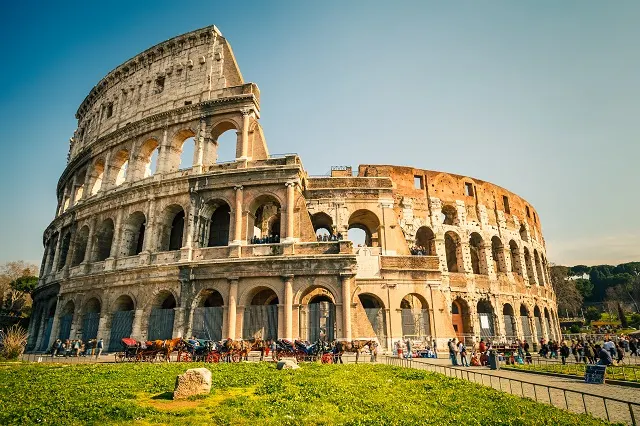
Rome's biggest draw is undoubtedly its monuments, and the mighty Colosseum holds pride of place on this list of must-sees.
This ancient arena, inaugurated in 80 AD, could hold more than 50,000 spectators who came to watch gladiator fights, mock naval battles and even hunting spectacles.
Today you can visit on your own or on a guided tour that includes access to the underground and the arena floor, where you'll feel the scale of the place from the fighters' point of view.
You can also take the guided tour of the Colosseum with the Roman Forum and Palatine Hill, which are part of the same archaeological complex. One tip: to avoid the crowds, visit first thing in the morning or at sunset, when the light brings out its structure and the whole experience feels even more magical.
4. The Roman Forum, to relive the glory of ancient Rome
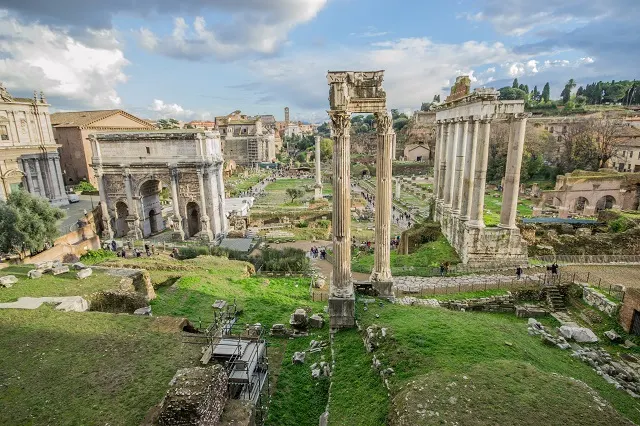
The Roman Forum is one of the great emblems of Roman antiquity. This complex was the center of legal and social life in ancient Rome.
This sprawling complex of ruins was the heart of political, legal, religious and social life in ancient Rome, home to temples, basilicas and gathering places such as the Curia or the Rostra, from where public speeches were delivered.
Walking through the Forum is like walking through the guts of the Empire, among fallen columns, triumphal arches and the remains of temples dedicated to Saturn, Vesta or Caesar. You can visit with a combined ticket that also covers the Colosseum and the Palatine, and comfortable shoes are a good idea, since the route includes uneven ground.
To make more sense of its history, join a guided tour or use an audio guide, as many corners hide curiosities, like the spot where Julius Caesar was cremated or the stone considered the city's «navel».
5. St. Peter's Basilica: one of the best places to visit in Rome
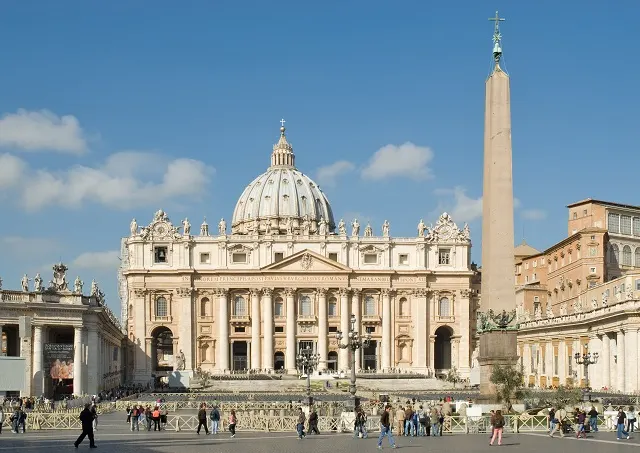
St. Peter's Basilica is one of the places you have to visit in Rome. It's one of the most important monuments in Catholicism and the largest Christian church in the world. The greatest architects and artists of the Renaissance took part in its construction.
Some of the greatest architects and artists of the Renaissance worked on it, including Bramante, Michelangelo, Bernini and Raphael, who left their mark in every corner of the church.
One of the best things about it is that you can climb the dome, on foot or by elevator, and enjoy one of the most spectacular views of Rome and the Vatican. Entry to the basilica is free, though there are security checks and lines tend to be long, so go early or book a guided tour to get more out of its history and secrets, like St. Peter's tomb or Michelangelo's famous Pietà.
Discover its secrets with an expert guide on the free tour of St. Peter's Basilica.
6. The Vatican Museums and the Sistine Chapel: one of the most astonishing things to see in Rome
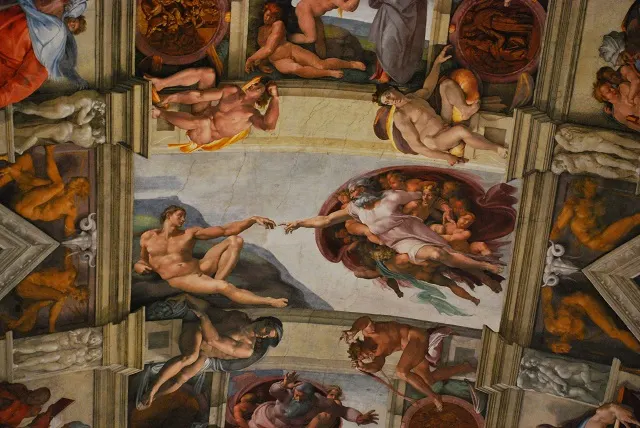
The Sistine Chapel is the most famous room in the Apostolic Palace of Vatican City, the pope's official residence. Its stunning frescoes, especially those on the ceiling and The Last Judgment, are considered among the crowning works of Michelangelo and of Western art. Every detail across its 500-plus square meters of painting holds centuries of symbolism, technique and devotion.
A visit to the Sistine Chapel is part of the route through the Vatican Museums, one of the world's most important art collections, with everything from classical sculpture to rooms decorated by Raphael.
Book your ticket in advance, as visitor numbers are high. One curiosity: photos are banned inside the Chapel, and many people don't know the rule exists because of image rights linked to its restoration in the 1980s. To enjoy it in peace, go first thing or join a guided tour that explains the context of each scene.
7. Circo Massimo: one of Rome's must-see open-air monuments
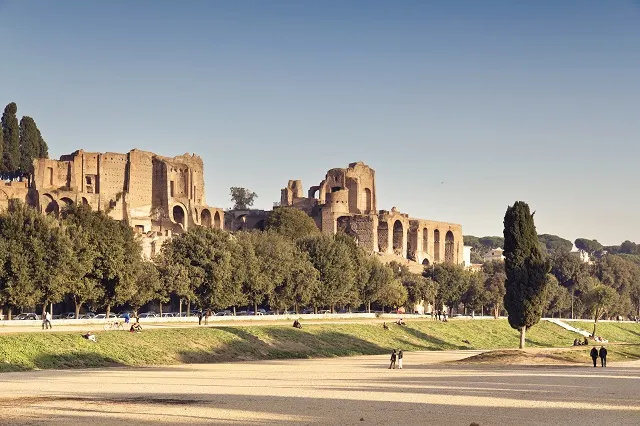
Although only a few ruins are visible today, the Circo Massimo was, in its heyday, the largest circus in Roman civilization. With an estimated capacity of up to 300,000 spectators, it remains the biggest sports stadium in human history.
It hosted huge spectacles such as chariot races, triumphal parades and religious festivals honoring the gods.
Today the site is a wide public park in the heart of Rome, perfect for a stroll, a run or an open-air concert or event. Standing on the field, you can still picture the colossal scale of the ancient arena, wedged between the Palatine and Aventine hills.
There's also a small multimedia museum along one side of the circus that retells its history with augmented reality and interactive models, a great option if you want to see how this spectacular arena looked at the height of the empire.
8. The Trevi Fountain, Rome's most famous fountain
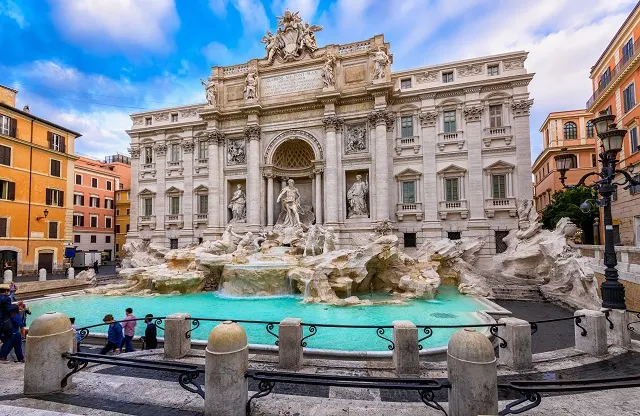
The Trevi Fountain needs no introduction: the sheets of water tumbling over travertine cliffs, the mythological sculptures and the hundreds of baroque details make it one of the most iconic and photographed spots in the city.
Built in the 18th century over an ancient Roman aqueduct, it shows Neptune taming the waters, flanked by tritons and sea horses. It's easily one of Rome's most romantic corners, especially after dark, when the fountain is lit and the sound of water fills the square.
Don't forget the tradition: turn your back to the fountain and toss in a coin to guarantee a return trip to the Eternal City. An estimated €3,000 a day is collected and goes to social programs run by Caritas.
9. The Pantheon, one of humanity's most perfect works
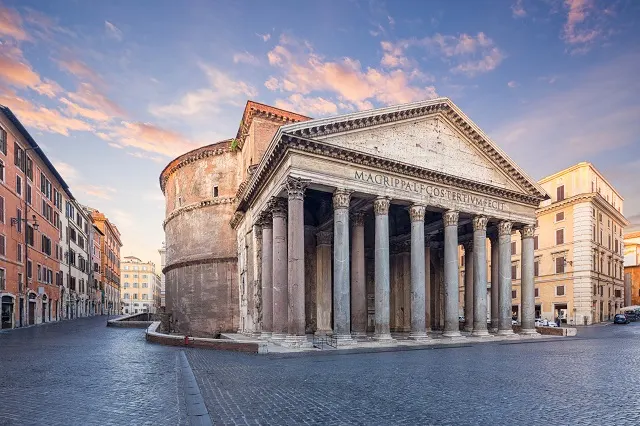
The Pantheon is one of the most impressive buildings Ancient Rome left behind. Its facade, with majestic Corinthian granite columns, opens onto a sublime interior that has amazed visitors for centuries.
The most astonishing part is its dome, 43 meters across, still the largest unreinforced concrete dome in the world, crowned by the famous central oculus, which lets light and rain fall straight into the temple. Right in the center of Rome, this ancient temple dedicated to all the gods was converted into a church in the 7th century, which is why it survived.
Inside rest illustrious figures such as Raphael and kings Victor Emmanuel II and Umberto I. Since 2023 there's an admission fee for tourists, though entry remains free for residents and for worshippers during religious services. A must-see if you want to connect with the architectural soul of the city.
10. The Spanish Steps, a Rome landmark with plenty of history
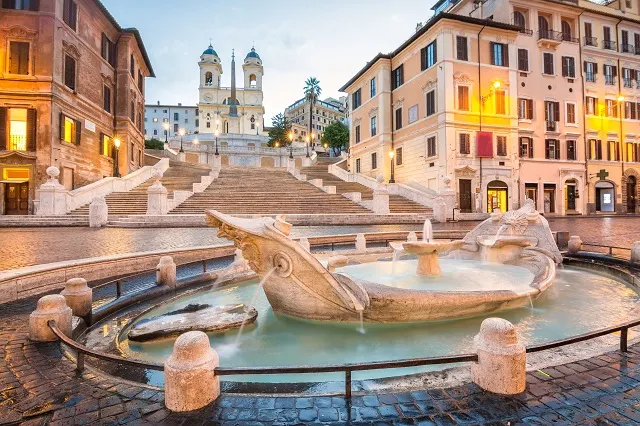
The Spanish Steps (Piazza di Spagna) is another of the squares in Rome, among the city's most famous. Always full of life and movement. Piazza del Popolo and Piazza Navona are two more you should visit.
The Spanish Steps (Piazza di Spagna) is one of the most famous and busiest squares in Rome, always buzzing with life, tourists, flowers and that elegant air it's known for. Its big draw is the Trinità dei Monti staircase, a classic meeting point where locals and visitors sit to rest or soak up the atmosphere.
At the foot of the steps sits the Fontana della Barcaccia, the work of Bernini father and son, shaped like a half-sunken boat and inspired by a flood of the Tiber. Just around the corner, shopping streets like Via dei Condotti turn the area into a paradise for fashion lovers and anyone keen on shopping in Rome.
11. Piazza Venezia and the Altar of the Fatherland
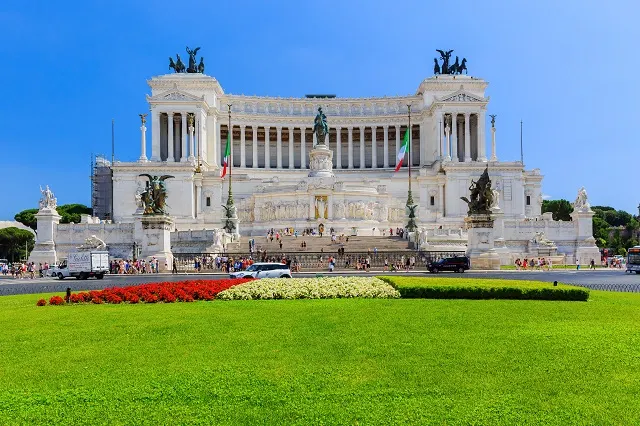
Piazza Venezia sits in the heart of Rome, within the district known as Pigna, and takes its name from the imposing Palazzo Venezia, once a papal residence and later Mussolini's office during the fascist regime.
At the center of the square rises the majestic Monument to Vittorio Emanuele II, also known as the «Altare della Patria», built to commemorate the first king of a unified Italy. This colossal white marble building, with its huge staircase, Corinthian columns and equestrian statues, dominates the skyline and can be seen from many points around the city.
Inside you'll find the Museo del Risorgimento and the Tomb of the Unknown Soldier, watched over by an eternal flame. You can also head up (on foot or by elevator) to the panoramic terrace, where you'll get one of the best 360° views of Rome, taking in the Roman Forum, the Colosseum and the rooftops of the historic center.
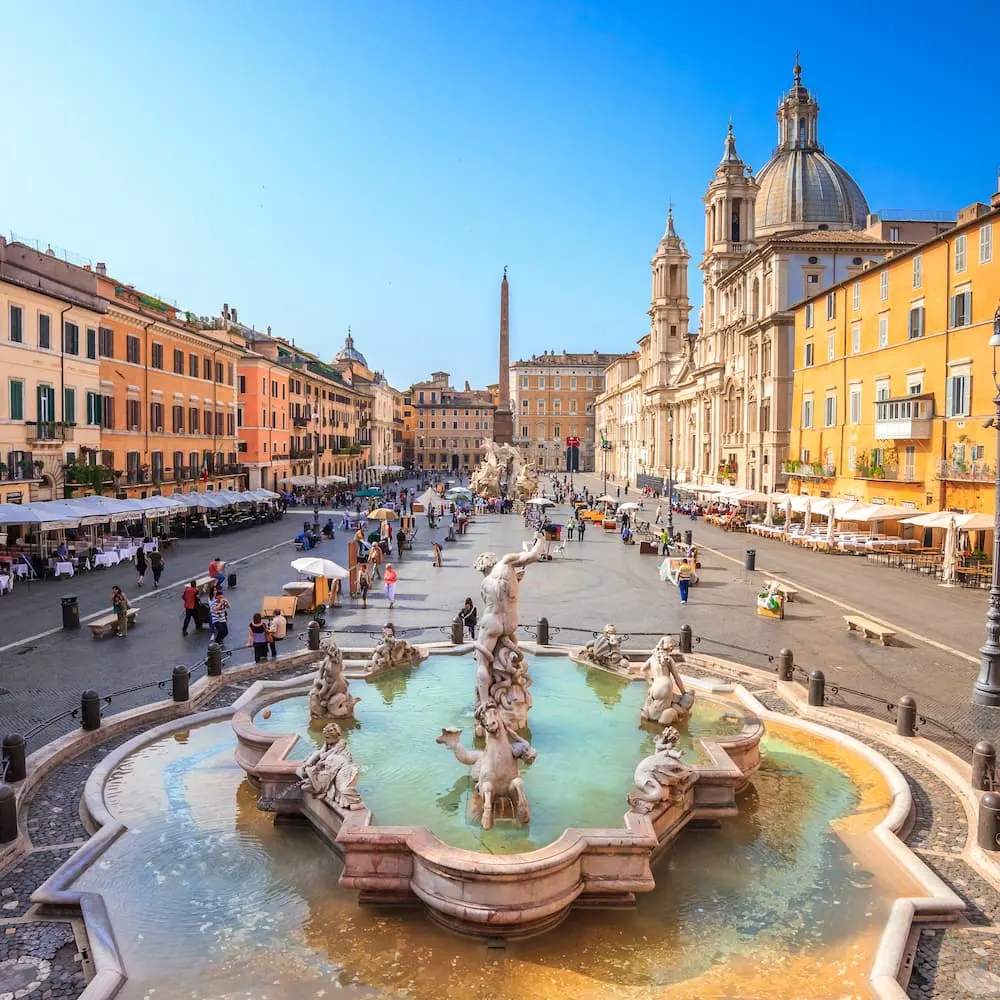
Built over the footprint of the ancient Stadium of Domitian, Piazza Navona is one of the liveliest and loveliest squares in Rome. Its elongated shape still traces the outline of the old sports arena, and today it's a vibrant stage full of life and history.
Three striking fountains stand out here, above all the Fountain of the Four Rivers, Bernini's masterpiece, representing the great rivers of the world as known in the 17th century: the Nile, the Ganges, the Danube and the Río de la Plata. Each sculpture is loaded with symbolism and curious details worth a closer look.
Street performers, portrait artists, musicians and outdoor terraces give the square a unique feel, by day and by night. Nearby you'll also find churches such as Sant'Agnese in Agone, along with old palaces that round out the charm of one of the city's most emblematic spaces.
13. Piazza del Campidoglio
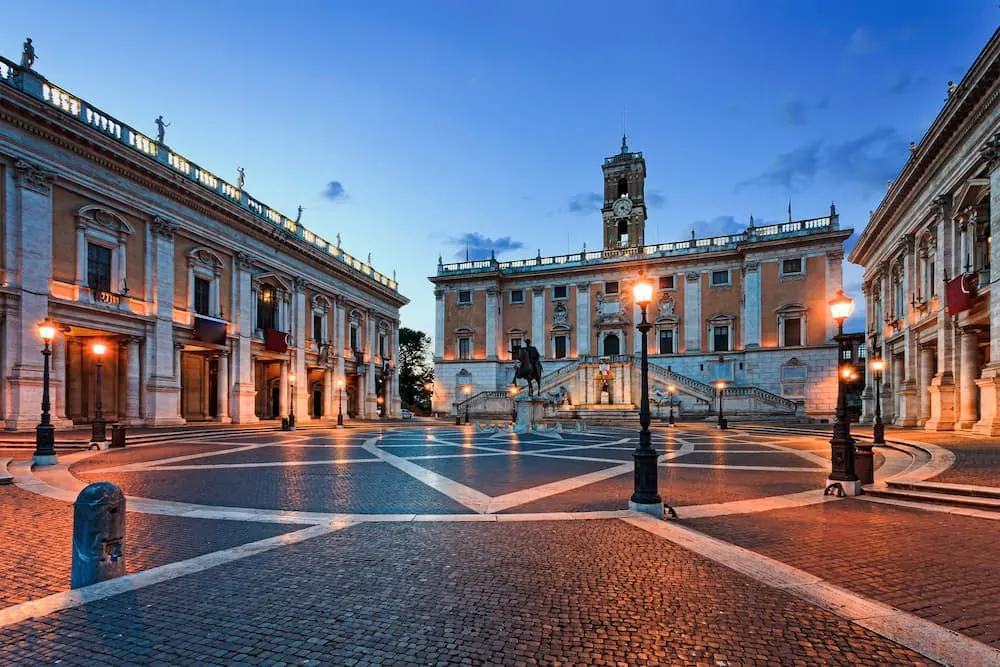
Designed by Michelangelo in the 16th century, Piazza del Campidoglio is considered one of the most elegant and harmonious squares in Rome. It sits atop the Capitoline Hill, one of the city's seven hills, and its geometric paving, proportions and sculptures make it a genuine open-air work of art.
The square is flanked by three Renaissance palaces, among them the Capitoline Museums, the oldest public museum in the world, home to an impressive collection of Roman art and antiquities, including the celebrated Capitoline Wolf.
From the back of the square you reach a viewpoint with one of the best views over the Roman Forum, perfect for pausing to take in the grandeur of ancient Rome from above.
In the middle of the square stands a replica of the equestrian statue of Marcus Aurelius; the original is kept inside the museum for its protection.
14. The Baths of Caracalla
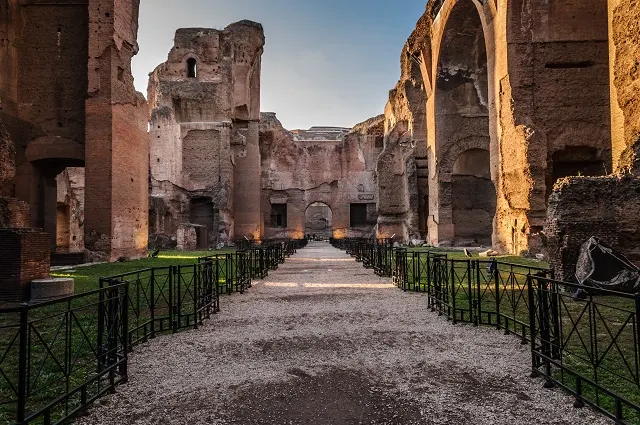
The Baths of Caracalla are among the largest and best preserved bath complexes of antiquity. Opened in 216 AD under Emperor Caracalla, the monument still impresses today for its sheer scale and the quality of its architecture.
The ruins let you picture how grand this place once was: soaring walls, mosaic floors, fragments of marble and vaulted halls that welcomed thousands of citizens every day. Romans didn't just bathe here, they socialized, exercised, read and took part in public life.
The complex also had libraries, gardens and pools at different temperatures. Today you can walk the site with or without a guide, and in summer it becomes a spectacular stage for open-air operas and concerts that bring back some of its former glory.
15. Villa Borghese, the best park to see in Rome
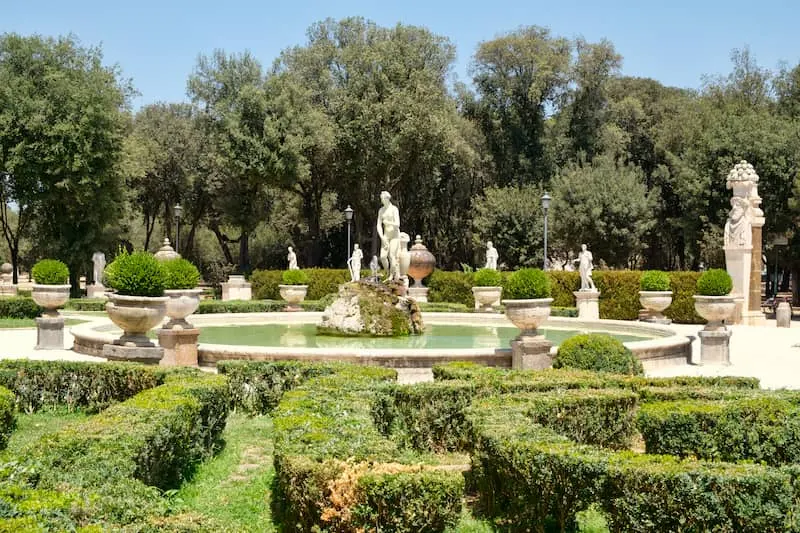
Villa Borghese is a genuine green oasis in central Rome, perfect for resting, strolling or having a picnic away from the noise of the city. This huge park is one of the most beloved spaces for locals and visitors alike.
Inside the park you'll find fountains, temples, sculptures and even a small lake with rowboats. From the Pincio terrace, one of its most popular corners, you get a spectacular view of the Vatican and Piazza del Popolo, especially at sunset.
16. The Borghese Gallery
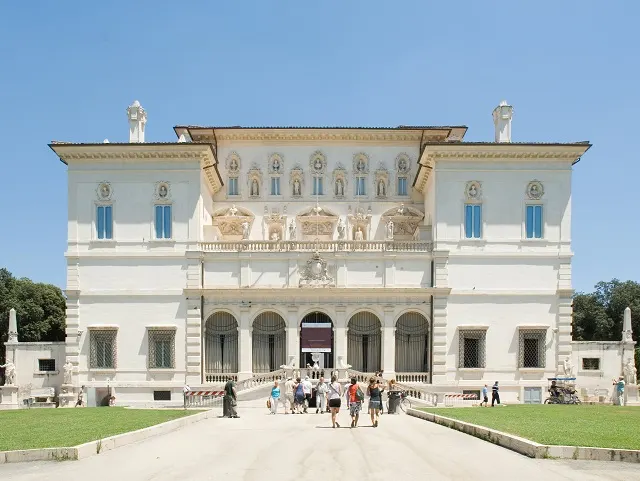
In this same park you'll find the famous Borghese Gallery, home to an exceptional collection of Renaissance and Baroque art, with masterpieces by Caravaggio, Bernini, Raphael and Titian. Access to the gallery is limited and requires booking in advance, which makes for a much calmer visit.
17. The Mouth of Truth
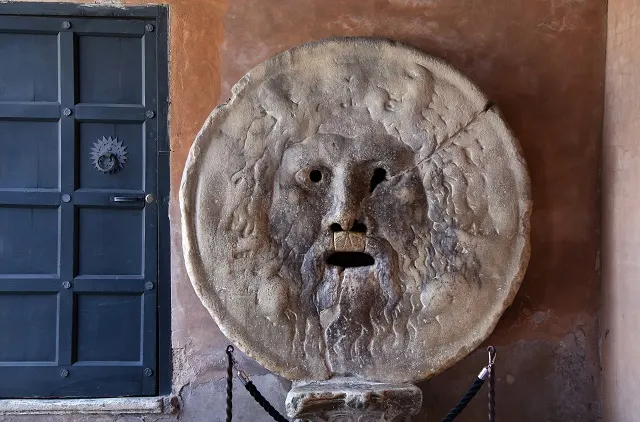
Set in the portico of the church of Santa Maria in Cosmedin, the Bocca della Verità is a marble mask that draws crowds thanks to the legend surrounding it. It's said to bite the hand of anyone who tells a lie.
This curious sculpture, showing a male face with an open mouth, was probably part of an ancient Roman fountain or drain cover, though its original purpose remains a mystery.
It became a popular icon, above all after appearing in the film «Roman Holiday» (1953), and it makes for a fun, very photogenic stop on any walk through the city. One thing though: be patient, because there's usually a line to put your hand in and pose in front of one of Rome's quirkiest symbols.
18. Via Appia Antica
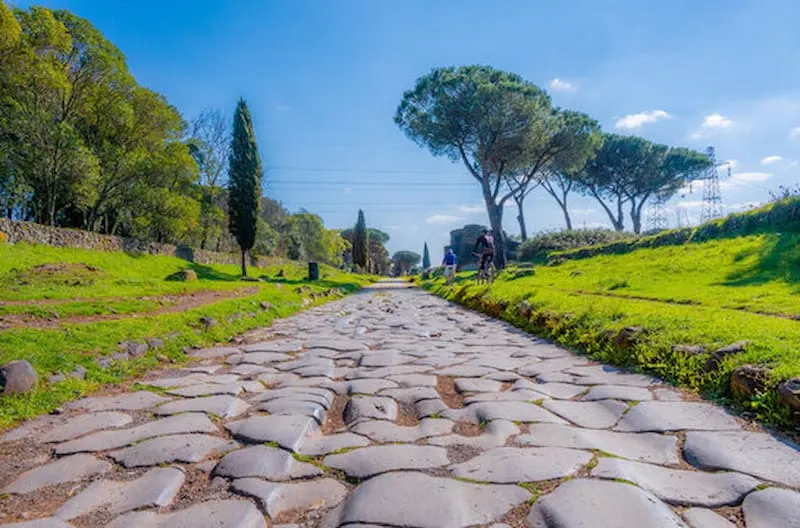
The Via Appia is one of Rome's oldest and most emblematic roads, known as the «Regina Viarum», the queen of Roman roads. Built in 312 BC, it linked the capital with southern Italy and still preserves long stretches of its original paving.
Lined with ruins, monumental tombs and ancient aqueducts, it offers a unique walk through the most authentic and peaceful Roman countryside, far from the bustle of the center. It's ideal on foot or by bike.
Among its highlights are the Catacombs of San Sebastiano and San Callisto, plus the remains of Roman villas. It's the perfect way to sense what the Roman world was like beyond the walls, in direct contact with history and nature.
19. Piazza del Popolo
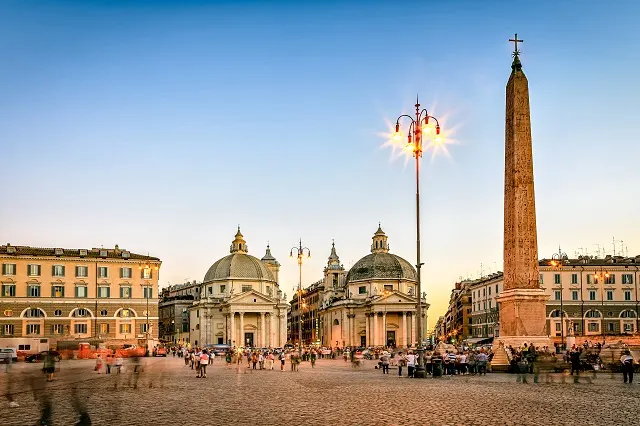
Piazza del Popolo is one of Rome's most monumental squares, sitting at the northern entrance to the ancient city. Dominated by an Egyptian obelisk and flanked by twin churches, it's a perfect starting point for exploring. Via del Corso begins here, and it's also the way up to the Pincio terrace.
20. The Pincio terrace: a spot to visit in Rome with the best sunsets
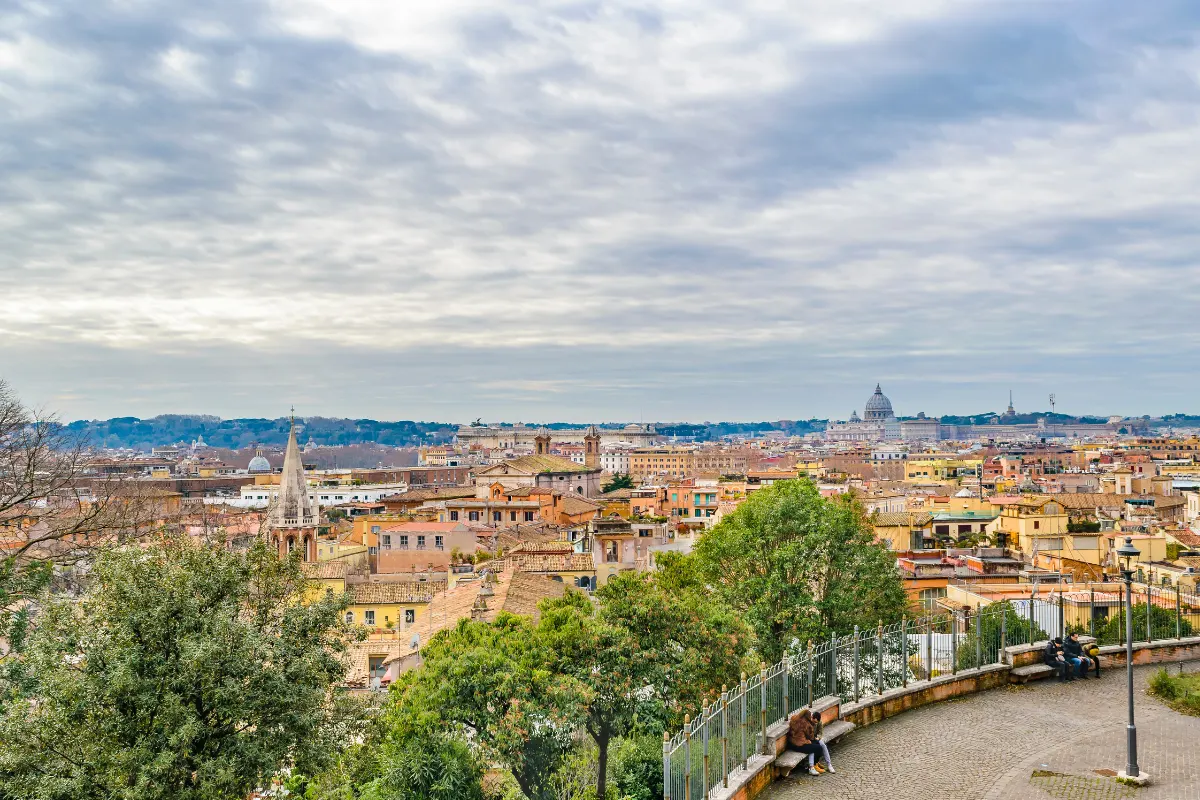
Just behind the famous Piazza del Popolo, the Pincio terrace is a green balcony crowning the Pincian Hill. Among classical statues and flowering gardens you'll find benches and quiet corners for taking in the heart of the city, from Via del Corso all the way to Trastevere.
This became a favorite promenade for Romans and, at dusk, it fills up with families and street performers. It's one of those urban secrets where you can enjoy an impromptu picnic or an open-air concert in summer, perfect if you want Rome's must-sees away from the classic routes.
21. The Orange Garden: what to see in Rome for an unforgettable panorama
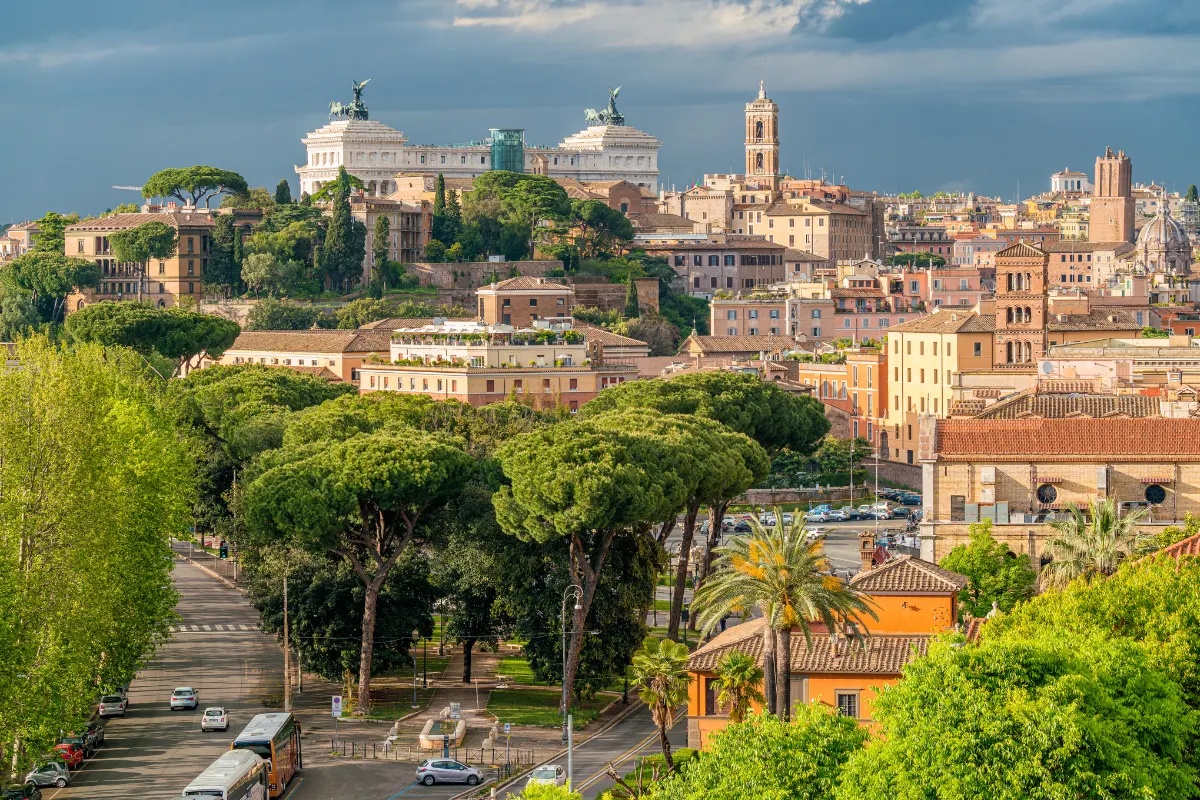
Away from the tourist crush, this lookout on the Aventine Hill offers one of Rome's most romantic and peaceful views. Strolling among orange trees and cypresses feels like stepping into a small oasis raised above the traffic and the crowds, with the dome of St. Peter's peeking out on the horizon.
Beyond its golden sunsets, the garden holds the Savelli Castle, a romantic ruined palace that invites you to sit under its arches and enjoy the quiet. Ideal for couples or anyone after a calm spot to start or finish a route of Rome's most charming sights.
If you're wandering around Trastevere, it's a must. From the Basilica of Santa Cecilia in Trastevere it's only about a 15-minute walk along the Tiber. By metro:
- Take line B (blue) and get off at Circo Massimo.
- Exit the station to the left along Via del Circo Massimo.
- Turn right onto Via di Santa Sabina and climb the steps beside the church. A few minutes later you'll reach the garden.
22. Centrale Montemartini Museum: things to see in Rome where art meets industry
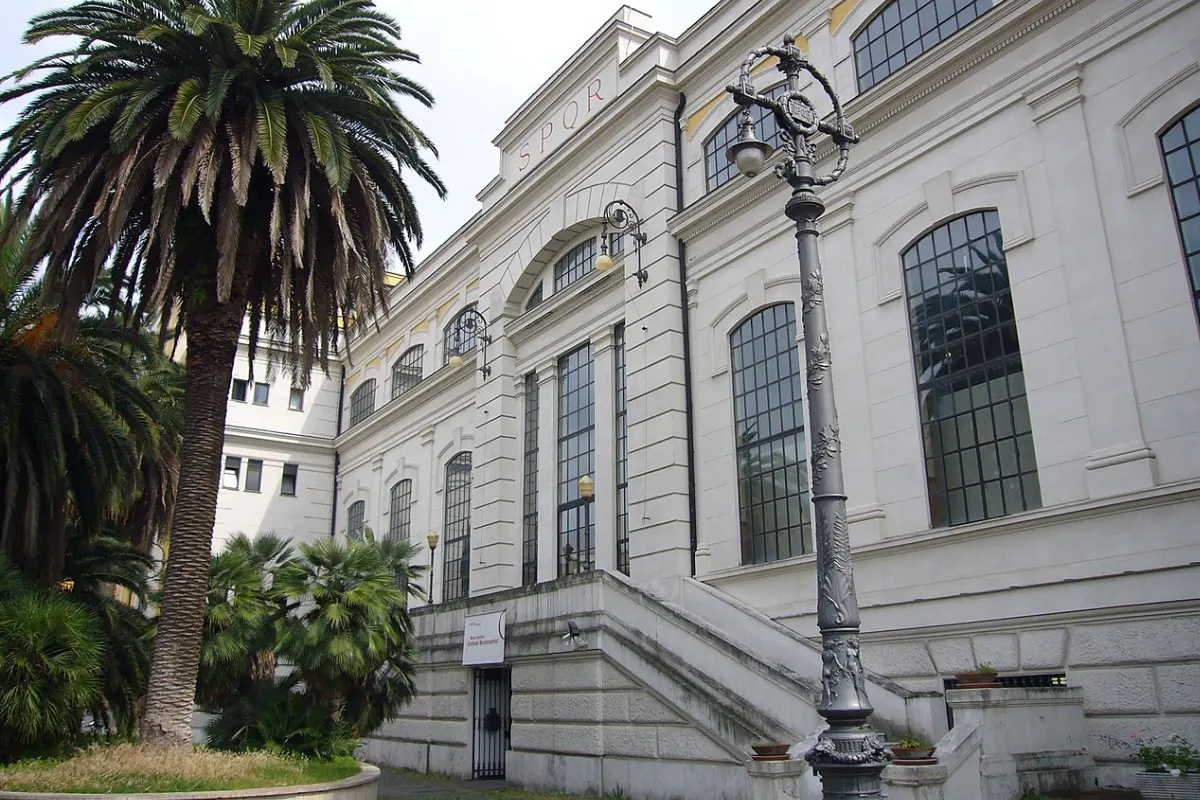
Housed in a former power station from the early 20th century, this museum pairs classical sculpture with large-scale industrial machinery. Roman columns, statues and friezes sit in dialogue with turbines and condensers, creating a fascinating contrast between two eras of human history.
Located in the Ostiense district, it's ideal if you already know Rome's essentials and want a different kind of museum experience. Its theatrical lighting brings out every piece and reveals details that would go unnoticed in a conventional gallery.
23. The Protestant Cemetery: a Rome must-see among poets' graves and cypresses
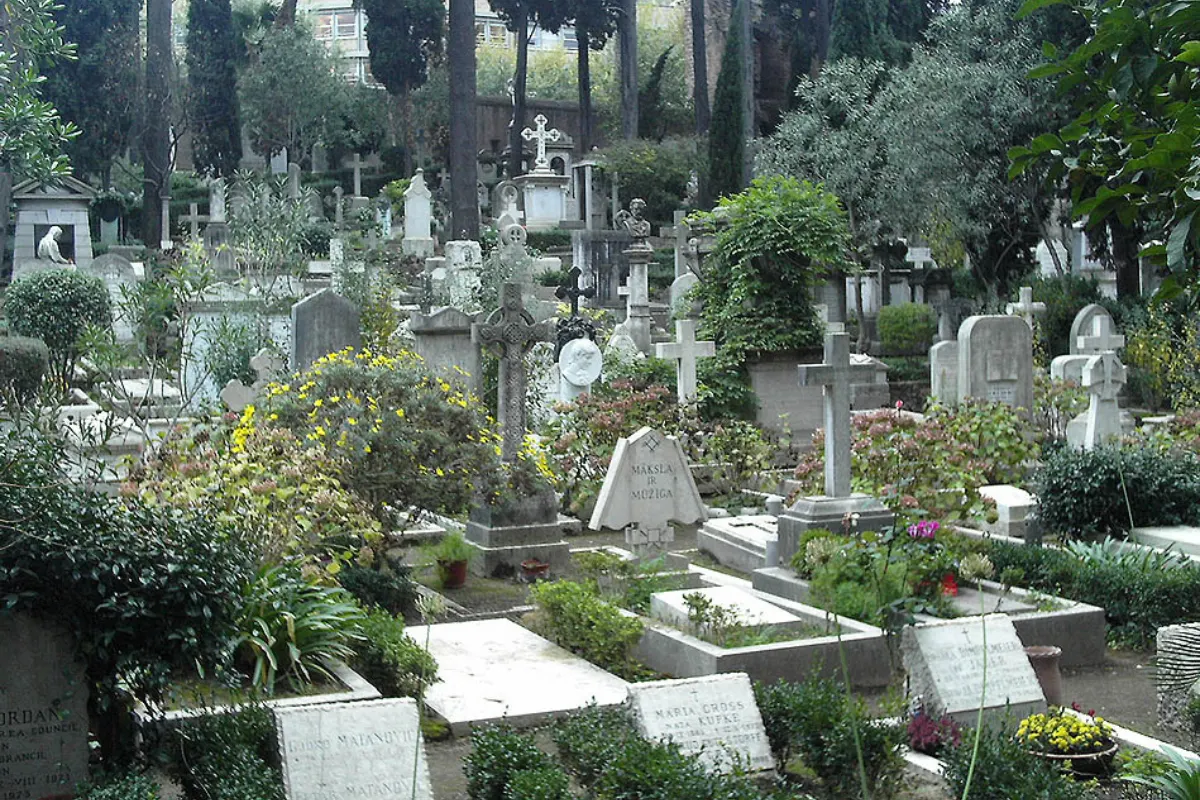
Also called the «Cemetery of the Non-Catholics» or the «English Cemetery,» this haven of calm next to the Pyramid of Cestius holds the graves of poets, diplomats and artists including Keats and Shelley. Walking its paths lined with cypresses, flowers and epitaphs in many languages creates a uniquely contemplative atmosphere.
It's perfect for a cultural pause after exploring Rome's less obvious corners, and for reflecting on the literary history that connects Rome with the rest of Europe.
24. Palazzo Doria Pamphilj: a palace for lovers of art and architecture
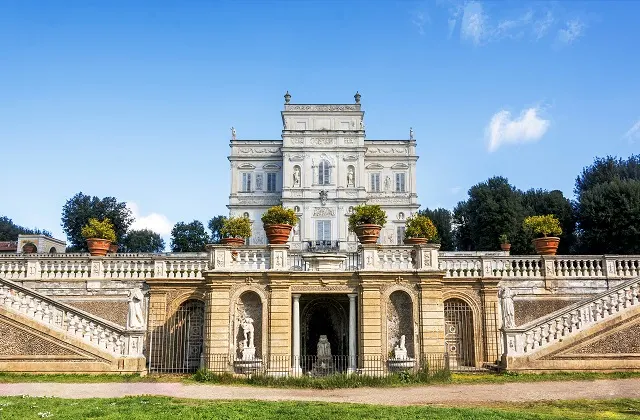
Between Via del Corso and Piazza Venezia stands this private palace, open to the public and home to one of Rome's most astonishing art collections. You can admire canvases by Titian, Caravaggio and Velázquez in rooms authentically furnished with frescoes, tapestries and Baroque furniture.
Visiting means discovering a Rome of lived-in palaces, far from the usual circuit of state museums. At the end of the route, its quiet gallery with windows onto an inner courtyard is the ideal place to take in, in silence, the artistic grandeur that makes this one of the most refined places to visit in Rome.
25. The Gianicolo hill: one of the best places to visit in Rome for panoramic views
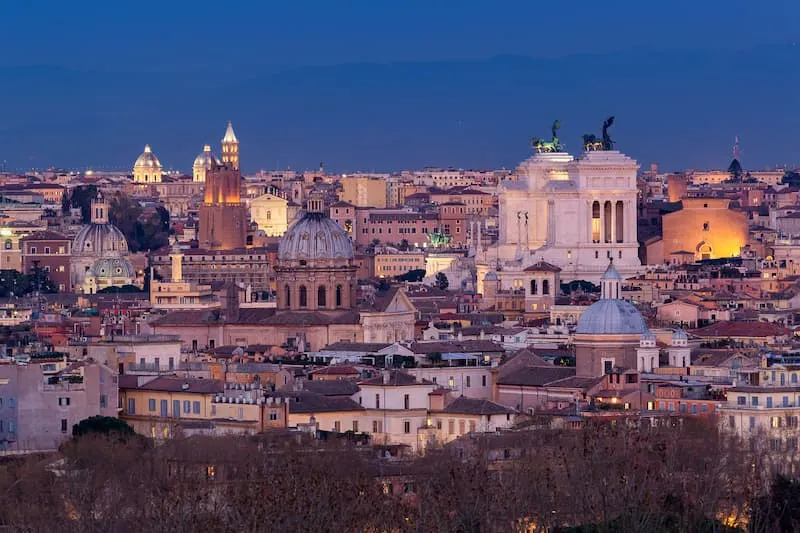
Off the busiest circuit, the Gianicolo hill delivers one of Rome's most impressive panoramas: from here you can take in the silhouette of St. Peter's, the Tiber winding through the city and the ochre rooftops lit by the sun.
A walk past its fountains, busts of Italian heroes and the famous cannon blast at 1 p.m. (fired every day since 1847) makes this lookout one of those Rome must-sees that surprise you with their calm and beauty.
Along with the views, you'll find great spots for a sunset picnic or small monuments to discover, like the Fontana dell'Acqua Paola with its majestic Baroque arches. If you're looking for what to see in Rome beyond the basilica and the forums, the Gianicolo gives you nature, history and that unique perspective you only get from up high.
It's another spot you can reach on foot from Trastevere: cross Ponte Sisto and walk up Via Garibaldi (about 15 minutes).
Discover Rome like a local
Browse our special sections to find out more about what you shouldn't miss in Rome:
Explore Rome's neighborhoods, eat in their restaurants and sit down for a rest in their squares. Some of them you'll visit whether you plan to or not, since that's where the main monuments are.
Find the best areas to stay in Rome, from the glamour around the Spanish Steps (Piazza di Spagna) to the quiet streets near the Vatican. Recommended hotels, B&Bs and apartments for every budget.
From the best walking tours of the Colosseum to routes covering the highlights of Rome and evening strolls through its most mysterious corners. There are options for every taste and budget.
The treasures held in Rome's museums are priceless, and you'll feel lucky to stand in front of them. Take a look at the options and go discover the artistic riches the city keeps.
A mini guide for families: mosaic workshops on the Palatine, treasure hunts in the Forum, and fast-track entries so the little ones can meet their ancient Roman heroes without getting bored.
Soak up the city's everyday life in its lively markets: stalls of local produce, food walks and genuine Roman bustle.
Remember that you can explore Rome's historic center comfortably on foot, though you can also use the public transport system.
Plan your visit around how many days your trip lasts and save money with the Roma Pass Omnia card.