
Circus Maximus: Rome’s Free Ancient Chariot Racetrack
Circus Maximus: Rome’s Free Ancient Chariot Racetrack
Contenidos de esta página sobre Roma
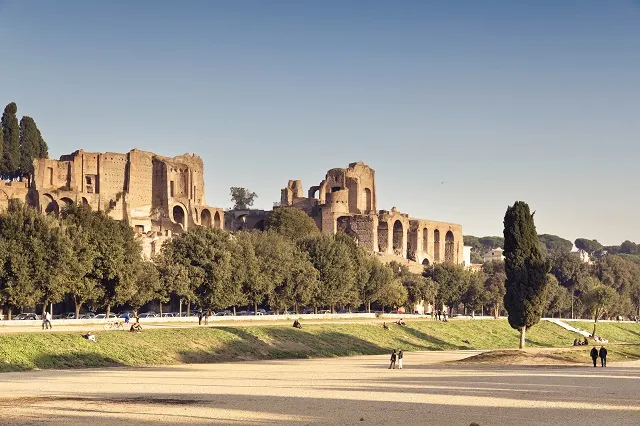
The Circus Maximus or Circo Massimo, was the first building of the 7th century BC built in wood by the fifth king of Rome: Tarquinius Priscus. At its height, it was the largest circus of Roman civilization. It's one of the places to see in Rome that's well worth a visit.
What was the Circus Maximus?
The Circus Maximus was the largest sports venue ever built. At the peak of its splendor, it is believed to have been entirely paved with marble and travertine.
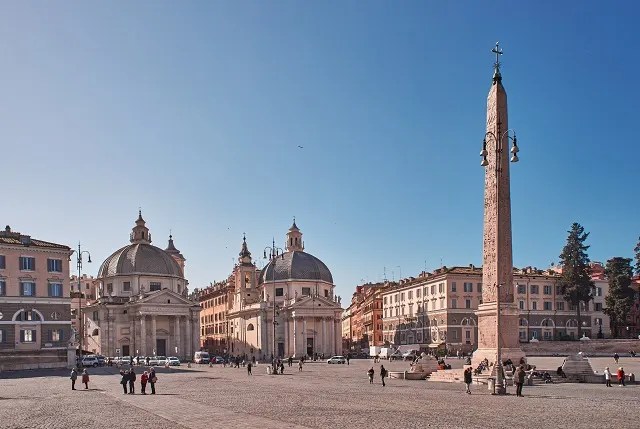
Two great Egyptian obelisks stood at its center, one of them dedicated to Ramses II, which now stands in Piazza del Popolo. The other, dedicated to Thutmose III, is in Piazza San Giovanni in Laterano.
Just imagine, it could hold nearly 380,000 spectators, who got into the races for free. Four teams took part in each race, and each one was identified by a color.
The classic races were chariots pulled by four horses, and the drivers were so valuable that they could cost, relative to the times, about as much as a top athlete today!
The ancient Roman circus
The Circus Maximus hosted not only races but also «games» sponsored by the great Caesar, who staged almost «real» mock battles that could turn very violent, since any low blow was allowed.
In fact, catastrophic crashes between chariots were very common, and drivers could even be crushed to death under the wheels of their own chariot. And not just them: spectators were often injured, sometimes fatally, when chariots lost control and plowed into the crowd.
Next to the Circo Massimo you'll find the Mouth of Truth, one of the best free things to see in Rome.
From the Circo Massimo you can also hop on bus 118 and visit two more Ancient Rome attractions: the Baths of Caracalla and the Catacombs of Rome.
The Circus Maximus and events today
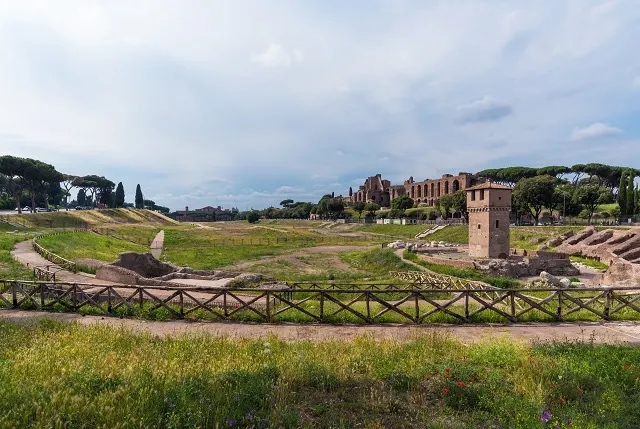
The Circus Maximus began to be used less and less as the area lost its central role. Little by little it was abandoned and fell apart, as marble and stone were carted off over the centuries. Today, a large portion of the structure lies buried.
Fortunately, the Circus Maximus is now used for plenty of events, from concerts (both Italian artists and international names of the caliber of Morcheeba and Genesis) to demonstrations of all kinds.
Which means the tradition born some two thousand seven hundred years ago lives on. For example, when Italy won the FIFA World Cup in 2006, one of the biggest celebrations took place right here, at the Circo Massimo.
There are also several activities on offer at the Circo Massimo, from immersive virtual reality games to touring it on an electric bike.
Prices
Free admission
How to get there
Address: Via del Circo Massimo. Circo Massimo metro stop