
Castel Sant’Angelo: Tickets, Hours and What to See Inside
Castel Sant’Angelo: Tickets, Hours and What to See Inside
Contenidos de esta página sobre Roma
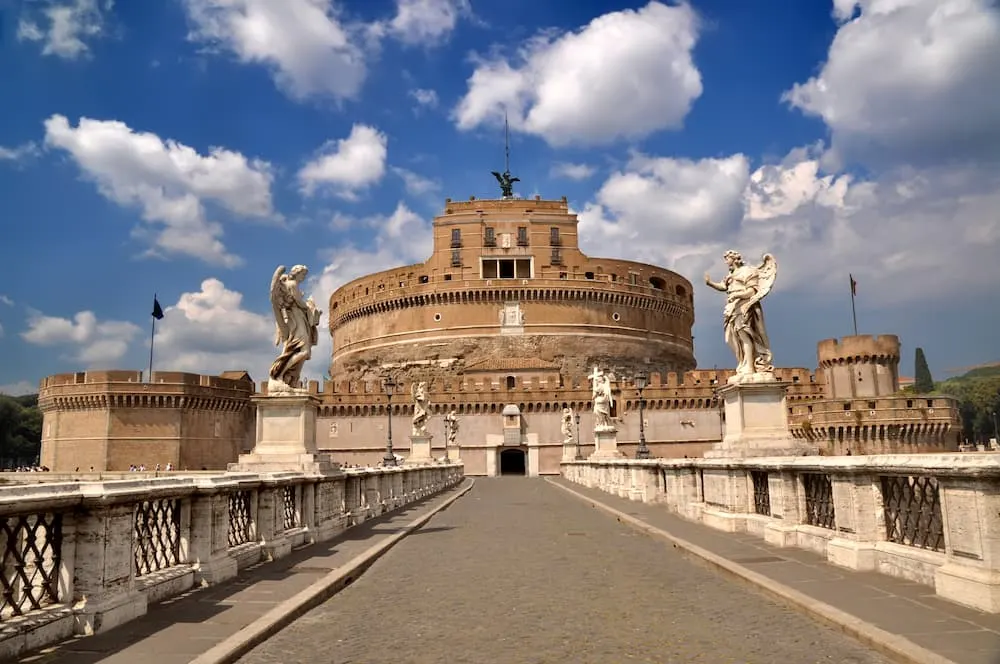
Castel Sant'Angelo is an undeniable part of Rome's history: for many years its walls defended the city from hostile attacks, from the Visigoths to the Landsknechts.
It stands on the banks of the Tiber, less than a 10-minute walk from St. Peter's Basilica and the Vatican Museums. Here's why Castel Sant'Angelo is one of the most highly recommended things to see in Rome.
The history of Castel Sant'Angelo
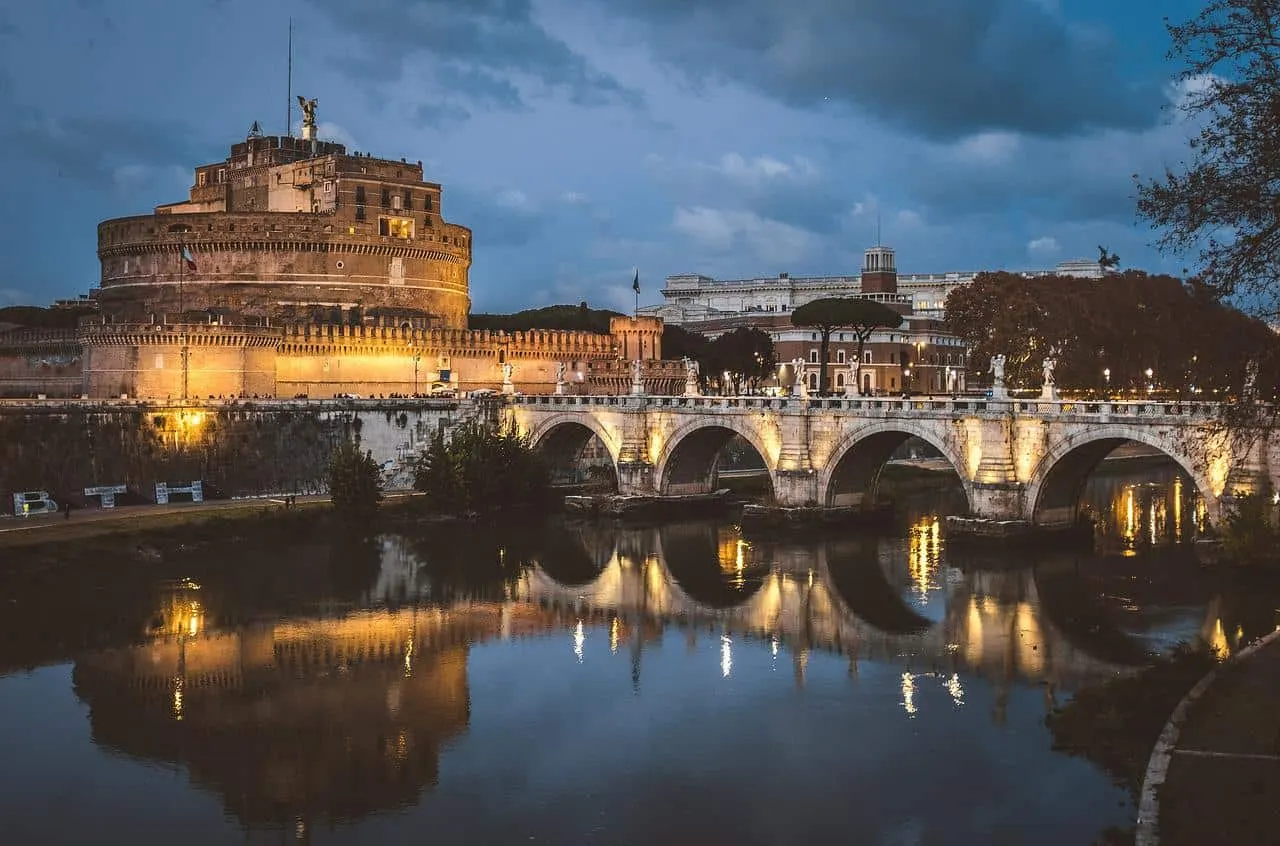
It was originally built on the orders of Emperor Hadrian to serve as his own mausoleum. Later on, people began to make the most of its defensive potential.
In fact, many popes used it as a very handy military stronghold. From then on, Castel Sant'Angelo became a barracks and a prison, as well as a place to stay, complete with audience halls. It's one of the main attractions and monuments in Rome that you shouldn't miss.
The ancient Mausoleum of Hadrian
Although the fortress has had different uses over the course of its history, it was originally built as a mausoleum for Emperor Hadrian and his family in 139 AD.
His ashes were placed here, along with those of his wife, Sabina, and his son, Lucius Aelius. The castle also holds the remains of the emperors who followed him, up to Caracalla in 217 AD.
What to see at Castel Sant'Angelo
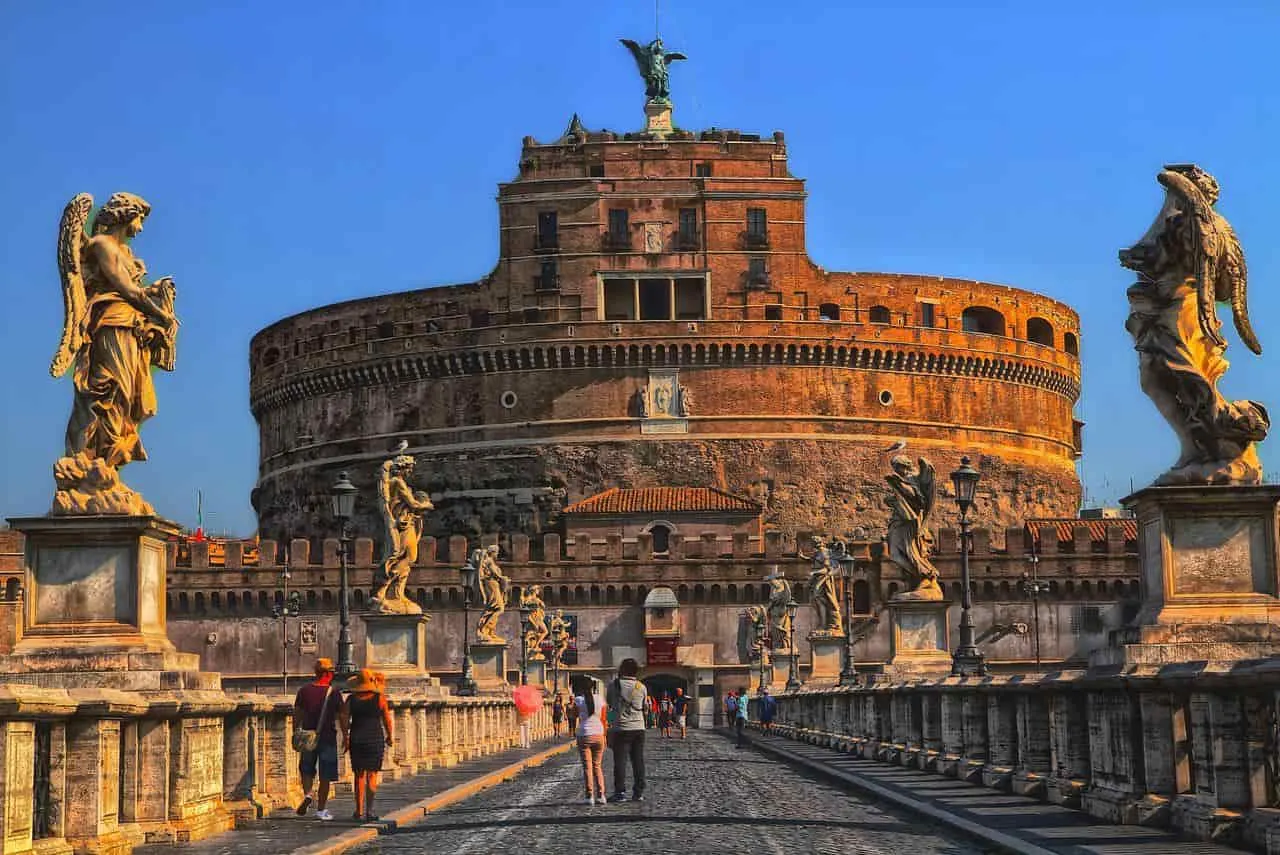
Visiting the castle inside is a fascinating experience, not just for the rooms that served as the papal residence and the characters who occupied its cells, but also for the magnificent views from the top of the castle.
One of the most photographed sights in Rome is Ponte Sant'Angelo, the bridge that links the castle with the city across the Tiber. It is 135 meters long and was built by Emperor Hadrian.
Don't miss the Passetto di Borgo either, an 800-meter elevated walkway connecting the castle with Vatican City. The passage served as an escape route for the popes in the event of an attack. You can see it from the castle, and it usually opens to the public in summer.
Like any good Roman museum, it holds priceless works of art, statues and frescoes, along with restored 15th-century shops. Finally, the Papal Apartments are among its most significant spaces, an important piece of history in their own right.
Today the building stands in all its grandeur, giving visitors a breathtaking view of the kind that stops you in your tracks.
How the castle has been used over time
- Between 135 and 139 AD this mausoleum was built as the resting place of the Antonine emperors.
- In the 5th century it began to be used as a fortress.
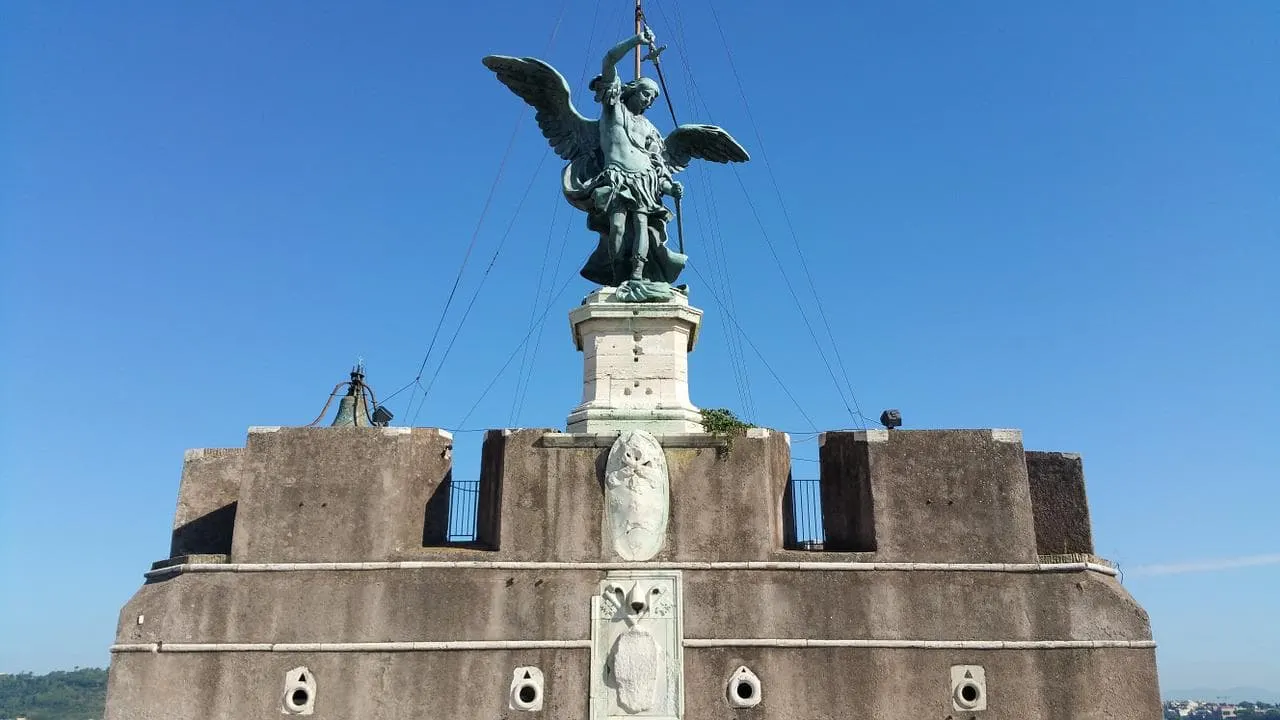
- During the great plague of Rome in 590, Gregory the Great had a vision in which the Archangel Michael appeared brandishing his sword above the mausoleum to protect the Romans. A sculpture depicting that vision was erected on the spot, and from then on the place was known as Castel Sant'Angelo.
- During the Renaissance the castle was built over the remains of the mausoleum.
- Castel Sant'Angelo served as a residence, a court, a prison and a fortress for centuries.
Castel Sant'Angelo is about a 10-minute walk from the Vatican's monuments and St. Peter's Square.
Stay at one of these nearby hotels and enjoy no end of advantages, plus the convenience of having the metro and some of Rome's main monuments within easy reach.
Castel Sant'Angelo tickets
You can get in free with the Go City Rome Pass Pass and the Omnia Card, or buy a skip-the-line fast entry ticket:
Castle opening hours
- Tuesday to Sunday, 9:00 a.m. to 7:30 p.m.
- Closed Mondays, December 25 and January 1
- The ticket office closes at 6:30 p.m.
How to get to Castel Sant'Angelo
Address: Lungotevere Castello.
Getting there: on foot or by bus. The nearest Rome metro station is Ottaviano, about a 15-minute walk away.