
Shopping in Rome: 7 of the Best Street Markets in the City
Shopping in Rome: 7 of the Best Street Markets in the City
Contenidos de esta página sobre Roma
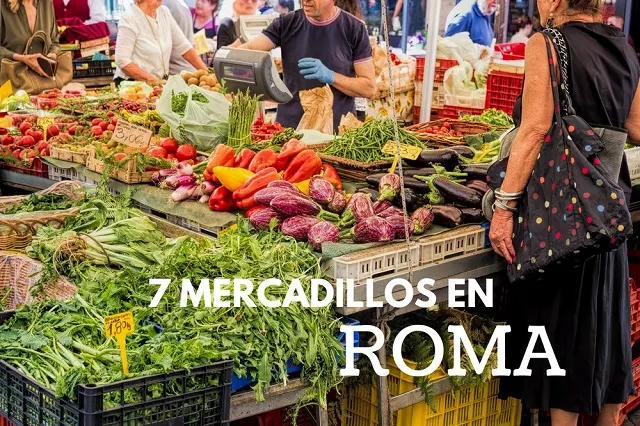
One of the most enjoyable things to do in Rome, beyond its great museums and its incredible Roman monuments, is wandering through its markets.
Many of Rome's markets specialize in food: cheeses, handmade pasta, olive oils and fruit. Before you go, you'll have to settle one important question: eat first or not? The smell of all those classic Italian ingredients will wake up anyone's appetite.
Other markets in Rome sell vintage clothing and objects, books, ornaments, all kinds of antiques and other treasures just waiting to be discovered.
The Best Markets in Rome
1. Campo de' Fiori Market
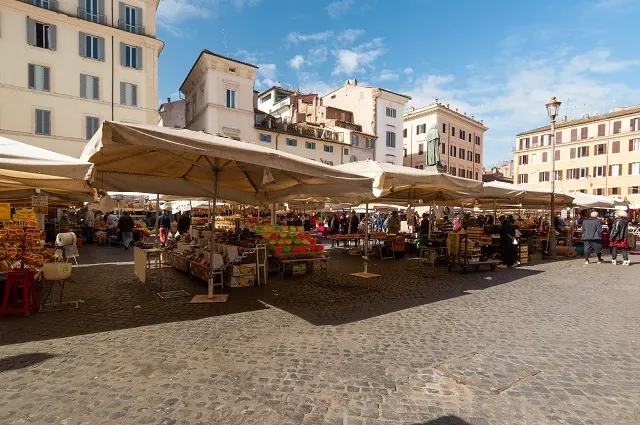
The most popular one among tourists, perhaps because it sits in a heavily visited part of Rome's historic center. The square that gives the market its name is right next to the Campo Marzio district, a short walk from the ever-busy Piazza Navona.
The Campo de' Fiori Market has been running since 1869 and is made up of colorful stalls selling flowers, fruit, meat, fish and grains. Piazza Campo de' Fiori is ringed with bars, cafés and restaurants, and at night it turns into one of Rome's busiest nightlife spots.
Hours: Monday to Saturday (closed Sundays) from 7:00 a.m. to 1:30 p.m
Address: Piazza Campo de' Fiori, in the Parione district
2. Ponte Milvio Market
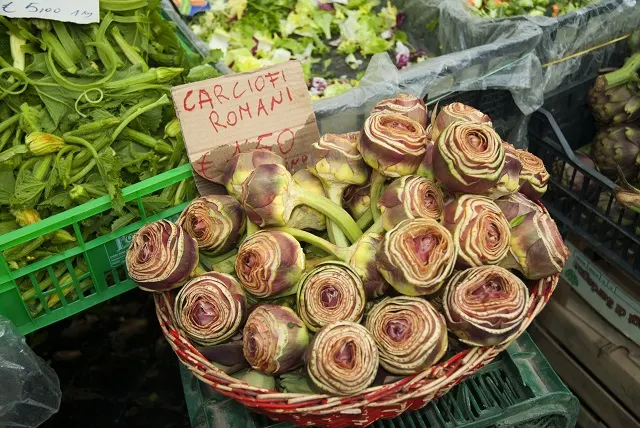
The Ponte Milvio Market takes its name from the fact that it used to sit beside the bridge of the same name. Ponte Milvio is Rome's «bridge of love locks», the one couples choose for hanging their padlocks, just like the Paris bridge described in this article. City hall has fought the tradition because of the damage it has done to the structure, but lovers keep at it.
These days it has moved inside a shopping center, which has stripped away a lot of its charm, though at least now you can browse in peace when it rains or the weather turns cold. Alongside meat and local and exotic fruit and vegetables, you'll find clothing, books, antiques and much more.
Some of the fruit and vegetable stalls sell certified organic produce. The butchers offer traditional cuts plus specialties that set them apart, like fillets wrapped in pata negra ham or stuffed with Italian cheeses.
Hours: Monday to Saturday (closed Sundays) from 7:00 a.m. to 1:30 p.m
Address: Via Riano 15
3. Porta Portese Market
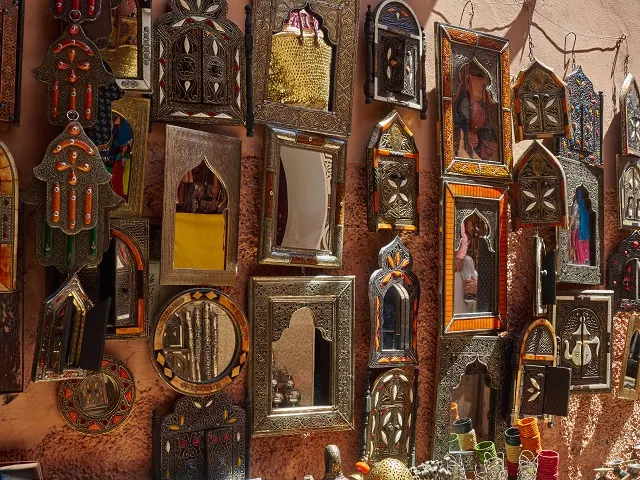
This Roman flea market is one of the liveliest and most fun. The stalls stretch from Piazza Porta Portese toward Viale di Trastevere, in the Trastevere district.
This is the biggest and most important street market in Rome. It's very old, and it has served as a backdrop for famous Italian classics such as Ladri di biciclette, or Bicycle Thieves. It's one of the markets you have to see in Rome.
There are hundreds and hundreds of stalls selling EVERYTHING (well, very little food), and the vendors themselves make walking through it an experience in its own right.
You'll find furniture, antiques, books, bicycles, new and secondhand clothing, household items, plants, new and used toys, souvenirs, jewelry, watches, shoes…
The antiques here aren't just cool trinkets or knockoffs. You'll also come across genuine eighteenth-century paintings, clocks and furniture that are real collector's pieces.
Whether you're a tourist or you've just arrived in Rome to stay and want authentic pieces to decorate your home, this is the market not to miss. Because it's so busy and so popular, watch out for pickpockets.
Hours: Sundays from 7am to 1pm
Address: Starts on Via Portuense and runs to Viale di Trastevere and Piazza Porta Portese
4. Trionfale Market
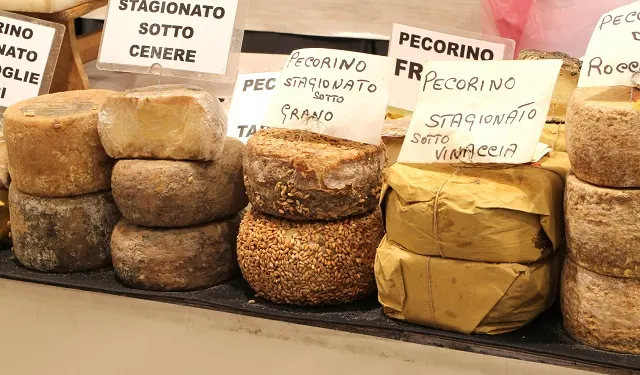
This is Rome's biggest and best food market. It's in the Prati district, a short walk from Vatican City.
It has around 300 stalls selling all the things that make us swoon over Italian cooking: cheeses, wine, bread, olive oils, fruit, vegetables. There are also preserves, toys, ornaments and seasonal goods.
It's so old and so traditional that it was once a stopping point for people traveling these streets by carriage. Today it's well organized, with stalls divided and color-coded: blue for fish, red for meat and green for fruit and vegetables.
The vendors at this Roman market have inherited their businesses generation after generation, and they're proud to say they sell the best Italian products at the best price.
Visit this authentic Roman market and the lovely Prati district.
Hours: Monday to Saturday from 7:00am to 2:00pm (Thursdays and Fridays open until roughly 7pm)
Address: Via Andrea Doria and Via Candia.
5. Piazza Testaccio Market
The new home of the Piazza Testaccio Market is Via Galvani. The old street market now sits inside a covered building put up over recently discovered ruins that will open to the public for visits.
This genuinely Roman market is in the Testaccio district, less touristy than the ones above and therefore quieter. While you're in the area, it's worth seeing Monte Testaccio, the curious artificial hill built from millions of broken amphorae from ancient Rome.
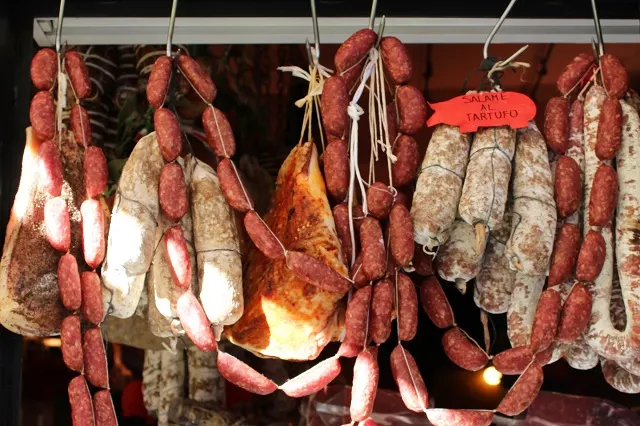
You'll find local produce, handmade pasta, good-quality ingredients and ready-to-eat food (pizza, panini…). The cheeses and cured meats here are irresistible. Ask for a taste and enjoy it before taking a good chunk home.
Hours: Monday to Saturday from 7am to 3pm
Address: Via Galvani (with entrances also on Via Franklin, Via Zabaglia, and Via Volta)
6. Esquilino Market (formerly Vittorio Emanuele)
The market once known as Piazza Vittorio or Vittorio Emanuele survived the dark years of Italian fascism, the war and plenty of other threats. In 2001, after a long wait, it finally moved to a new address in an indoor space.
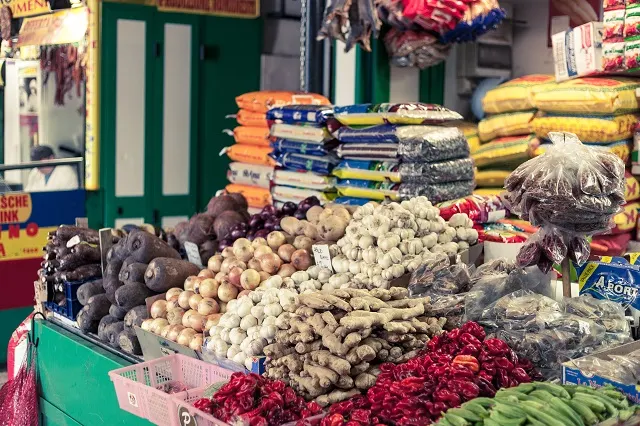
It's close to Roma Termini station, in a culturally diverse part of the city, and you can feel it in the market. This is Rome's ethnic market par excellence, where the aromas of Asian and African spices mingle with stalls of local cheeses and meats.
You'll also find a few clothing and shoe stalls. They sell fabrics too, and the ones from India are the most popular.
Esquilino is also the name of the neighborhood, or rione, of Rome where the market is located.
Hours: Monday to Sunday. Mondays, Wednesdays and Thursdays it opens from 5:00 to 15:00, and on Tuesdays, Fridays and Saturdays from 5:00 to 17:00
Address: Via Principe Amedeo 184
7. Mercato Campagna Amica (Circo Massimo)
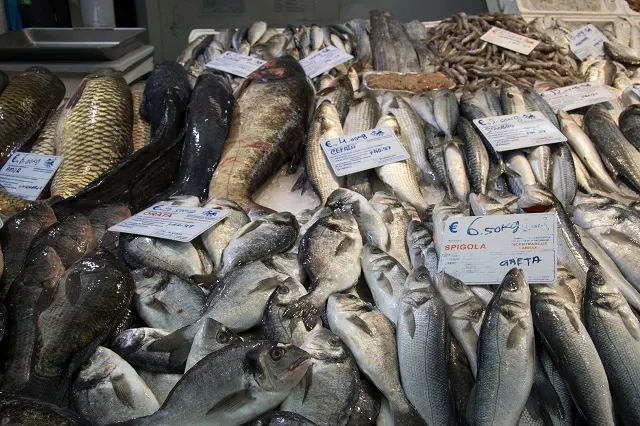
What sets this Roman market apart, and what its vendors are proudest of, is that the produce is local. The fruit and vegetables are grown and processed in Lazio and brought straight to the market stalls.
They operate as a cooperative and sell mushrooms, olives, compotes, preserves, meats, bread, oils, aromatic herbs, ice cream and wine, and there's even a fishmonger that pays tribute to the history of this market, which in years past was a Jewish fish market.
Colorful and cheerful, and without a doubt one of the markets in Rome we recommend. It's very close to Circo Massimo, Rome's Jewish quarter and the Colosseum.
Hours: Saturdays from 9:00 to 18:00 and Sundays from 9:00 to 15:00
Address: Via San Teodoro, 74
Tips before you visit Rome's street markets
Before we get into each of the Roman markets, here are a few pointers. They're fairly generic (they basically apply to any market in the world), but they're always worth repeating:
- Haggle. Even if you don't speak a word of Italian, the «language of haggling» is universal. Ask for a discount and you'll probably end up paying far less than the asking price.
- If you're not sure about a purchase, don't let the vendor talk you into something you don't actually want. Take a walk and clear your head away from their relentless sales pitch.
- Don't buy from vendors who appear out of nowhere and follow you around pressuring you to buy. They're almost always foreigners who aren't even legally part of the market. On top of that, the goods are often stolen, so it makes little sense to support them.
- Get there early. Locals do, and they take home the best and freshest stuff.
- Look for the stalls with the most locals shopping at them. They're usually the ones with the best products and prices.
- Always keep an eye out for pickpockets, who take advantage of our carelessness, or rather, our concentration, while we're browsing a market.