
Monte Testaccio: The Ancient Hill of Broken Amphorae
Monte Testaccio: The Ancient Hill of Broken Amphorae
Contenidos de esta página sobre Roma
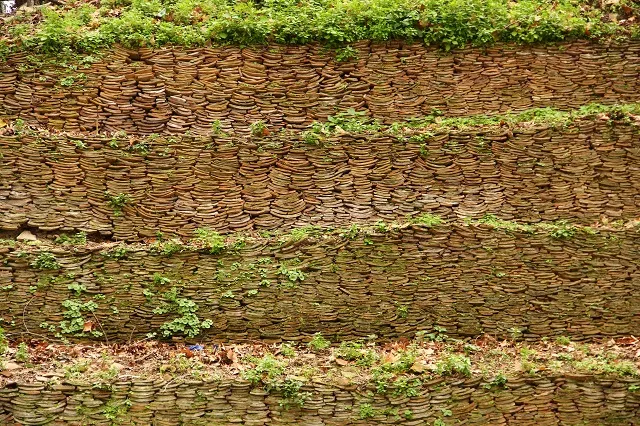
While it isn't one of the better-known sights to see in Rome, Monte Testaccio is one of the city's most unusual places. It's an artificial hill dating from the 1st to 3rd centuries AD, made up of millions of broken amphorae.
The remains of Monte Testaccio have provided invaluable information about trade between Rome and other territories of the Roman Empire.
The history of Monte Testaccio
The amphorae of Monte Testaccio, also known as Monte dei Cocci, were used to transport goods such as olive oil from regions like the Iberian Peninsula and North Africa.
Terracotta was easy to come by and very cheap. So cheap, in fact, that it was simpler to dump the empty containers than to reuse them. That is how Monte Testaccio came to be, from the millions of terracotta fragments of those amphorae.
Terracotta has been in use for more than 30,000 years. Its properties, which allow the material to be shaped in countless ways, and the ease of carrying it aboard ships or carts made it an essential material at the time. The name comes from the Latin «testacius«, meaning «made of or resembling earthenware».
Fun facts about Monte Testaccio
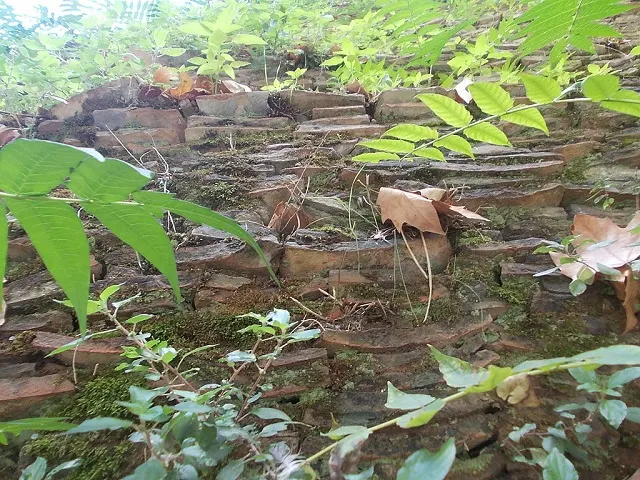
It stands 54 meters high with a circumference of 1 km. It's estimated to be made up of more than 50 million amphora fragments.
For greater stability, the pieces were stacked one on top of another in an orderly fashion, creating something not unlike the Mayan pyramids.
After a period of neglect, it was used in the Middle Ages for horse races. Later, in the 13th century, it was the end point of Catholic processions, and it even served as a shooting range.
Monte Testaccio as a «port» on the Tiber
Rome never had a port, so a stretch of the River Tiber was used to unload goods arriving from other regions.
Each type of merchandise had its own «plot» to arrive at. In the case of amphorae carrying oil, wine and sauces, these were unloaded near the Testaccio neighborhood, a Rome neighborhood very close to Trastevere.
In certain parts of the Tiber you can still see traces of that activity, such as holes in the stone where sailors used to moor their boats.
What to see at Monte Testaccio
Today Monte Testaccio is a very distinctive part of Rome and you can visit it. Since it's an archaeological park, you need to book your visit by calling a phone number. From here, you can walk to the Baths of Caracalla.
How to get there
Address: Via di Monte Testaccio. You can get there on the Rome metro, getting off at Piramide station