
Capitoline Museums: Highlights, Tickets and Hours
Capitoline Museums: Highlights, Tickets and Hours
Contenidos de esta página sobre Roma
- Capitoline Museums ticket
- A little history
- Piazza del Campidoglio, or Capitol Square
- The works to look out for at the Capitoline Museums
- The «Capitoline Venus» statue
- Bust of Medusa
- Colossal statue of Constantine (head)
- Caravaggio's The Fortune Teller
- The Spinario sculpture
- Tickets to the Capitoline Museums
- Capitoline Museums ticket
- Tips for visiting the Capitoline Museums
- Capitoline Museums address
- Opening hours
- Getting there
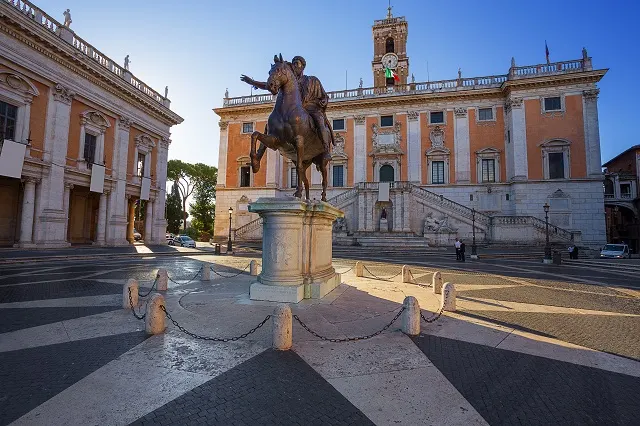
The Capitoline Museums in Rome are considered the oldest public museum in the world.
Along with the Vatican Museums, this is one of the most important museums in the Italian capital. It's home to the famous statue of the Capitoline Wolf, which in Roman mythology suckled Romulus and Remus.
A little history
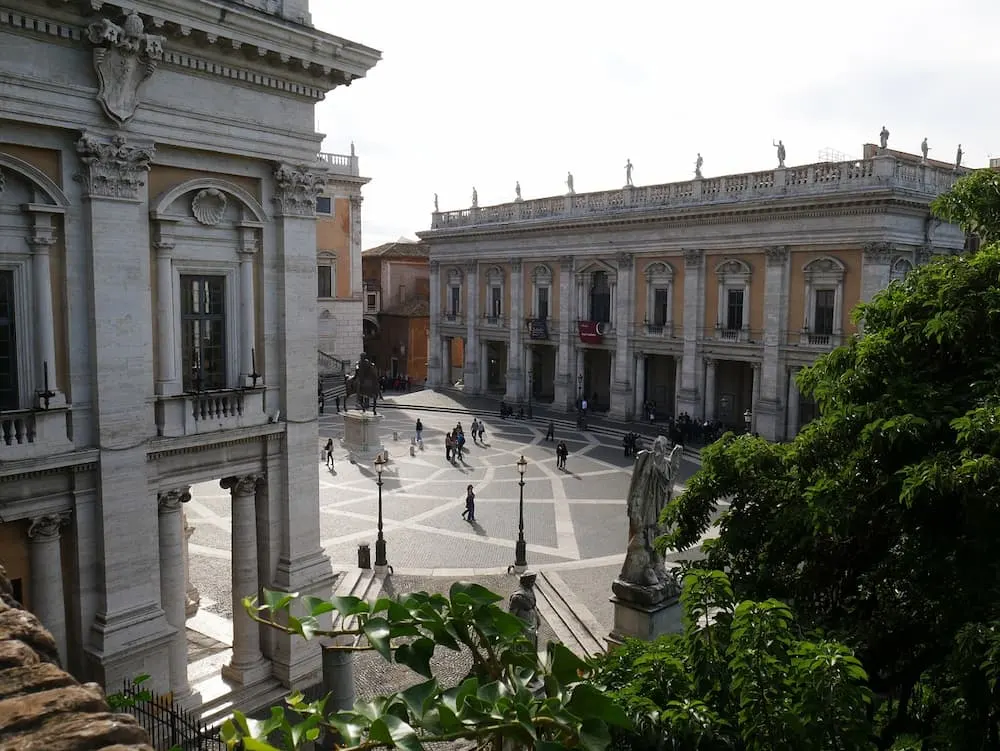
It started out as a museum of ancient sculpture, but a remarkable painting gallery was later added under Benedict XIV.
This is also where the archaeological pieces unearthed during excavations in Rome go on display.
The two buildings, set on the striking Piazza del Campidoglio, are linked by an underground passage, and every floor has an elevator.
Piazza del Campidoglio, or Capitol Square
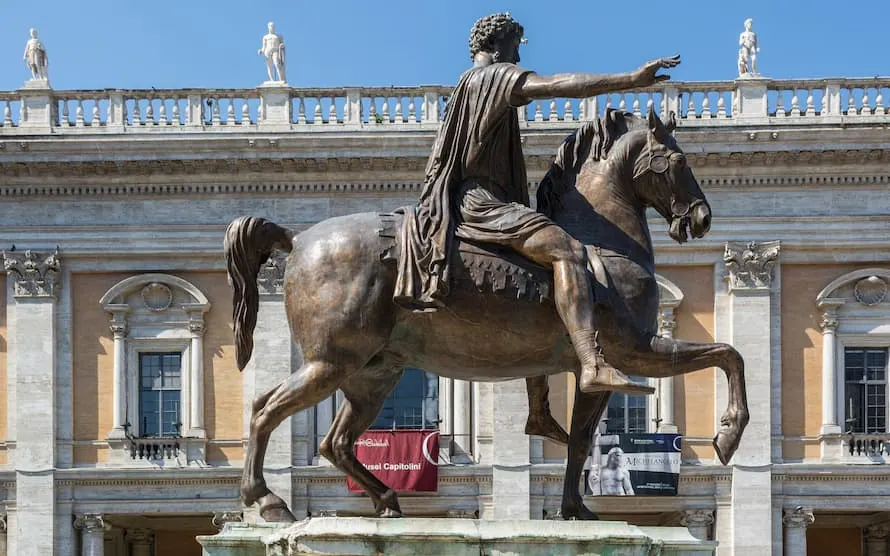
Framed by the Capitoline Museums and the Palazzo Senatorio, Piazza del Campidoglio stands out among the many places you should see on a trip to Rome. The square sits in the dip between two hills, right where the Tabularium stands.
After the fall of the ancient empire the square fell into decline, until in the 12th century the Tabularium became the seat of the city government. Later, in the 16th century, Pope Paul III commissioned Michelangelo to redesign the space. Thanks to that project, the facades of the Palazzo Senatorio (the former Tabularium) and the Palazzo dei Conservatori were renovated, and a third building went up, the Palazzo Nuovo.
The square has five access points, which creates the feeling of a huge outdoor room where your attention inevitably ends up on the equestrian statue of Marcus Aurelius. It's one of the most famous squares in Rome.
The works to look out for at the Capitoline Museums
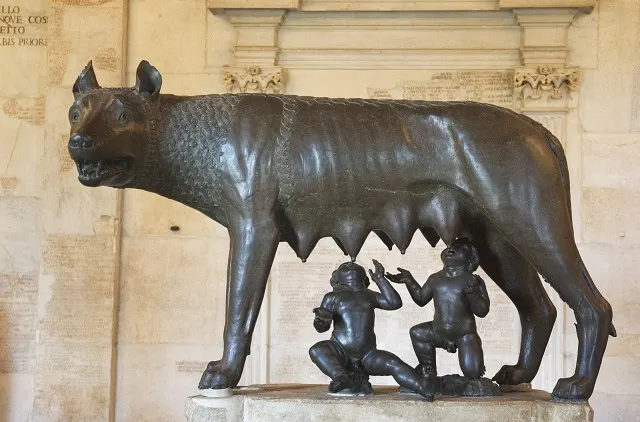
The Capitoline Wolf sculpture is reason enough on its own to visit the Capitoline Museums, and it's one of the top things to see in Rome.
According to Roman mythology, this famous bronze figure represents the she-wolf that fed Romulus and Remus, founders of the ancient Roman empire.
Inside the museum you'll find many of Rome's most notable works of art. Here are the ones worth seeking out.
The «Capitoline Venus» statue
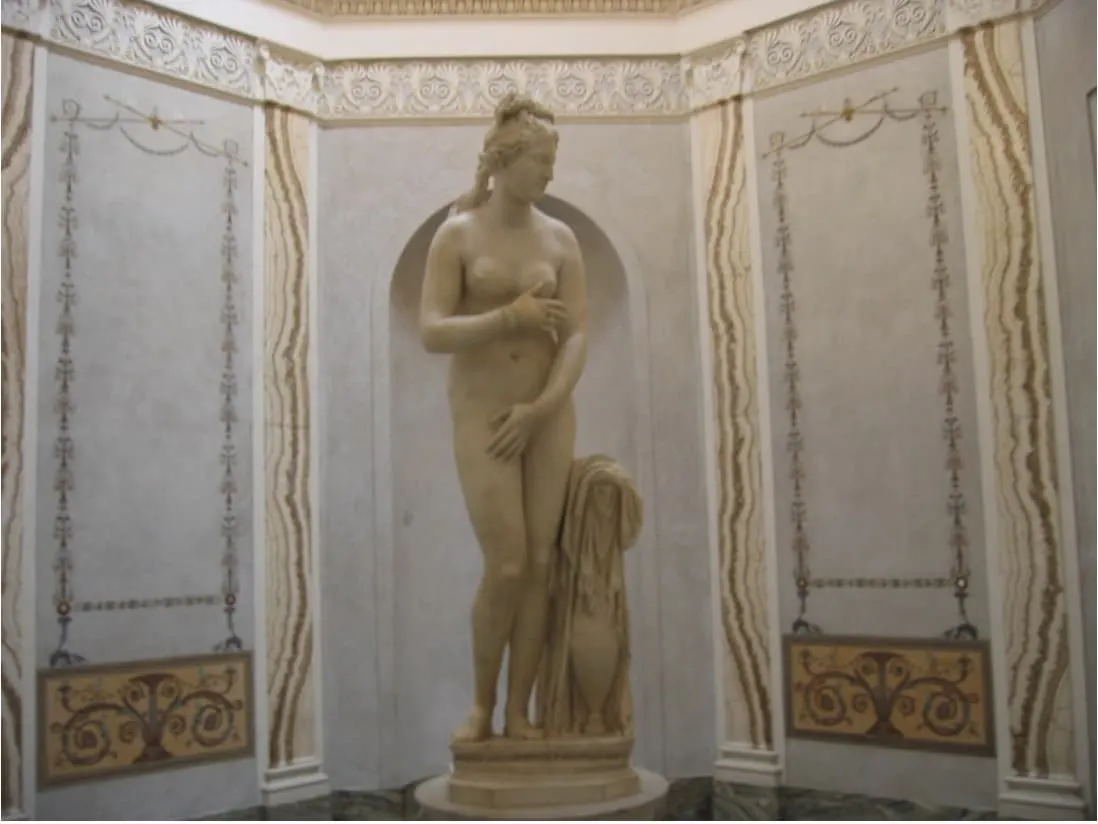
A beautiful marble statue of the goddess Venus-Aphrodite stepping naked out of her bath.
Bust of Medusa
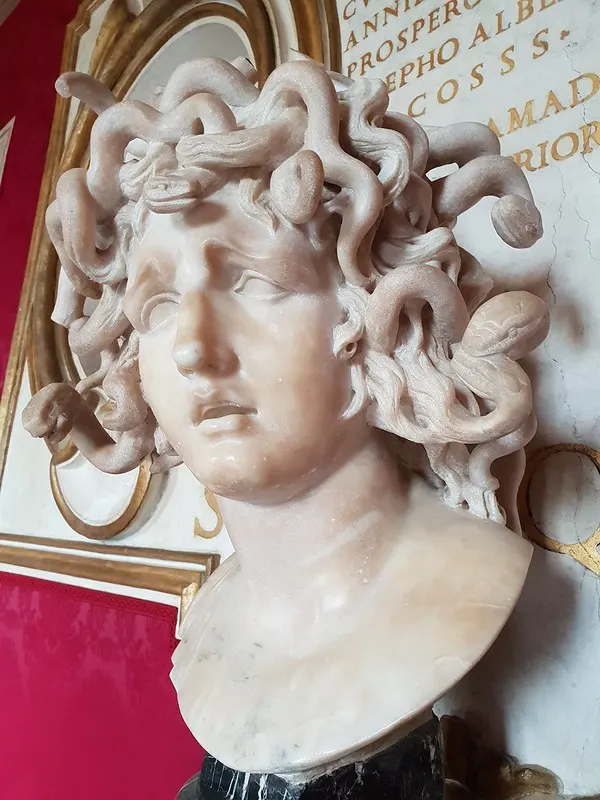
This sculpture, made by Gian Lorenzo Bernini between 1644 and 1648, is one of the most famous and celebrated pieces in any museum in Rome.
Colossal statue of Constantine (head)
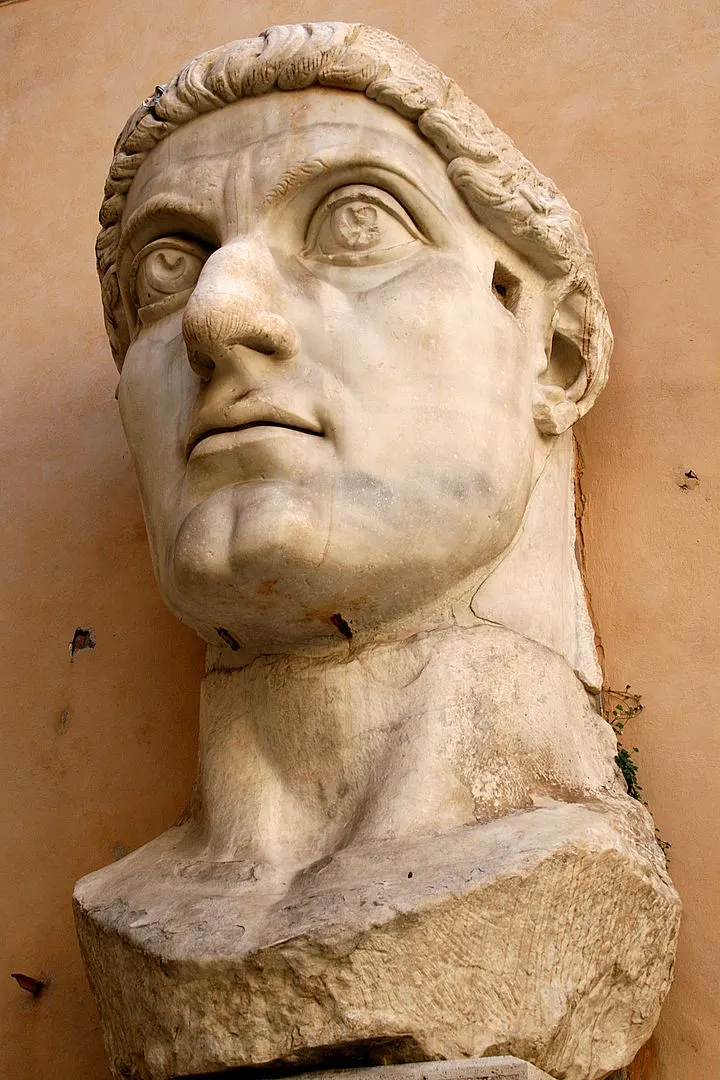
The statue of Constantine I the Great in the Capitoline Museums is about two and a half meters tall. It was originally part of a full-body sculpture that stood some 12 meters high.
Caravaggio's The Fortune Teller
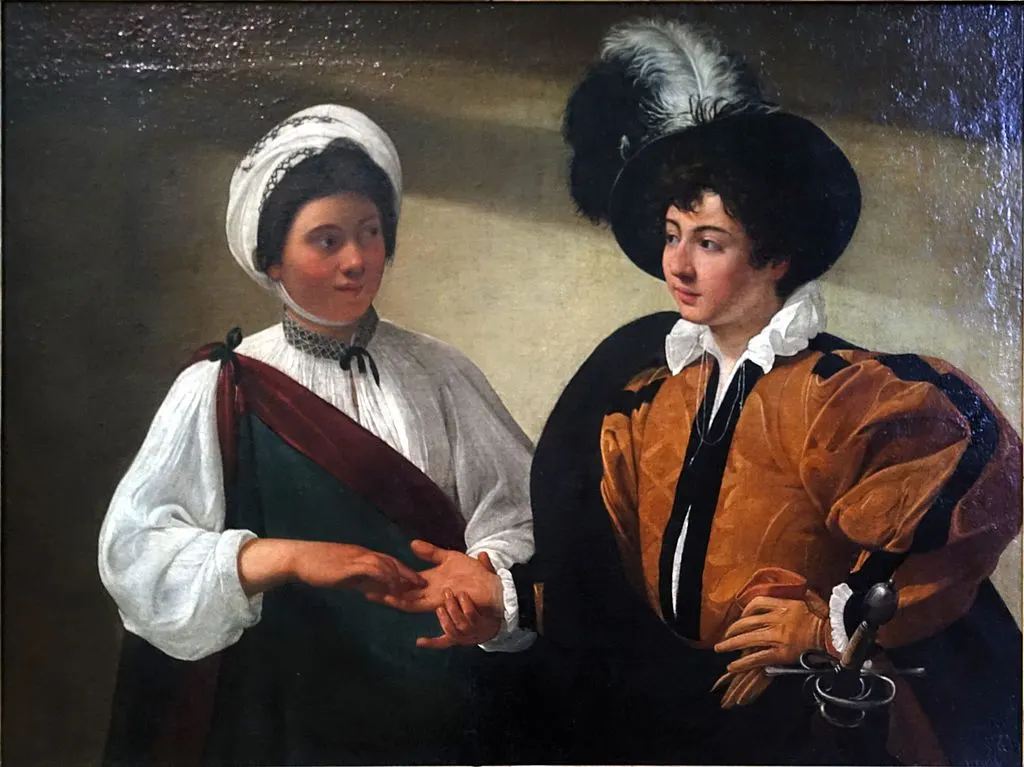
A painting by the Italian artist Caravaggio. The version in the Capitoline Museums dates from 1594, while a second version, painted a year later, hangs in the Louvre in Paris.
The Spinario sculpture
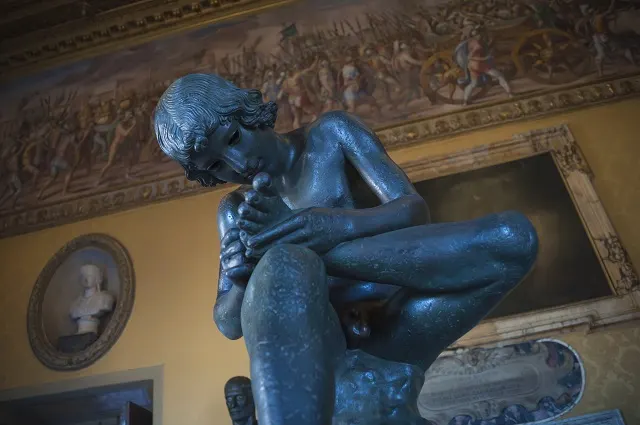
This small bronze may look familiar: a boy pulling a thorn from his foot. It's one of the highlights of the Renaissance collection.
And this is only a small slice of what you can see at the Capitoline Museums. You'll also find paintings by Titian, Tintoretto and Rubens, alongside bronze sculptures donated by Pope Sixtus IV.
Tickets to the Capitoline Museums
At first, the sheer size of the Capitoline Museums can feel a bit overwhelming. The complex covers nearly 13,000 square meters. Don't let that put you off, but do be realistic: if you want to walk through the whole thing and take in every work, set aside about four hours.
Book your Capitoline Museums ticket, and remember that if you have the Omnia Card or the Go City Rome Explorer Pass, you get in completely free.
Tips for visiting the Capitoline Museums
- Closed on Mondays.
- Also closed on January 1, May 1 and December 25.
- No flash photography and no tripods.
- Umbrellas and bulky bags have to be left in the cloakroom.
- The bookshop is packed with art titles.
Like most museums in Rome, the Capitoline Museums have one free entry day a month: the first Sunday of every month.
You can pair your visit with a walk through the neighboring Jewish Ghetto, or with the Colosseum and the Roman Forum, both very close by.
Capitoline Museums address
Piazza del Campidoglio 1 – 00186 Rome
Opening hours
Tuesday-Sunday 9.00-20.00
December 24 and 31, 9.00-14.00
The ticket office closes one hour earlier
Closed Mondays, January 1, May 1 and December 25
Getting there
Metro to Colosseo, then about a 15-minute walk.