
Free days at Rome’s museums
Free days at Rome’s museums
Contenidos de esta página sobre Roma
- What do the Roma Pass + Omnia Card include?
- Table of Contents
- Who always gets free entry to Rome's museums?
- Rome museums that are free every day
- The Pantheon ⚠️ No longer free
- Museo di Scultura Antica Giovanni Barracco
- Museo delle Mura (Museum of the Walls)
- Villa di Massenzio
- Museo della Repubblica Romana e della Memoria Garibaldina
- Napoleonic Museum
- Museo Carlo Bilotti
- Museo Pietro Canonica
- Museo di Casal de' Pazzi
- Museo Hendrik Christian Andersen
- Religious buildings you can visit for free in Rome
- St. Peter's Basilica in the Vatican
- Basilica of Santa Maria del Popolo
- Basilica of San Pietro in Vincoli
- Basilica of St. Paul Outside the Walls
- Free monuments and archaeological sites in Rome
- 1. Largo di Torre Argentina
- 2. Circo Massimo
- 3. La Bocca della Verità
- 4. Parco degli Acquedotti
- What does the Roma Pass + Omnia Card include?
- Free museums in Rome on the first Sunday of the month
- The Colosseum and the Roman Forum
- Villa Giulia — National Etruscan Museum
- Palazzo Barberini — National Gallery of Ancient Art
- Monument to Victor Emmanuel II (Vittoriano)
- Borghese Gallery
- Castel Sant'Angelo
- Palazzo Massimo alle Terme
- Baths of Diocletian
- Palazzo Altemps
- Crypta Balbi
- Vatican Museums — free day
- Tips for visiting free of charge without the wait
- What does the Roma Pass + Omnia Card include?
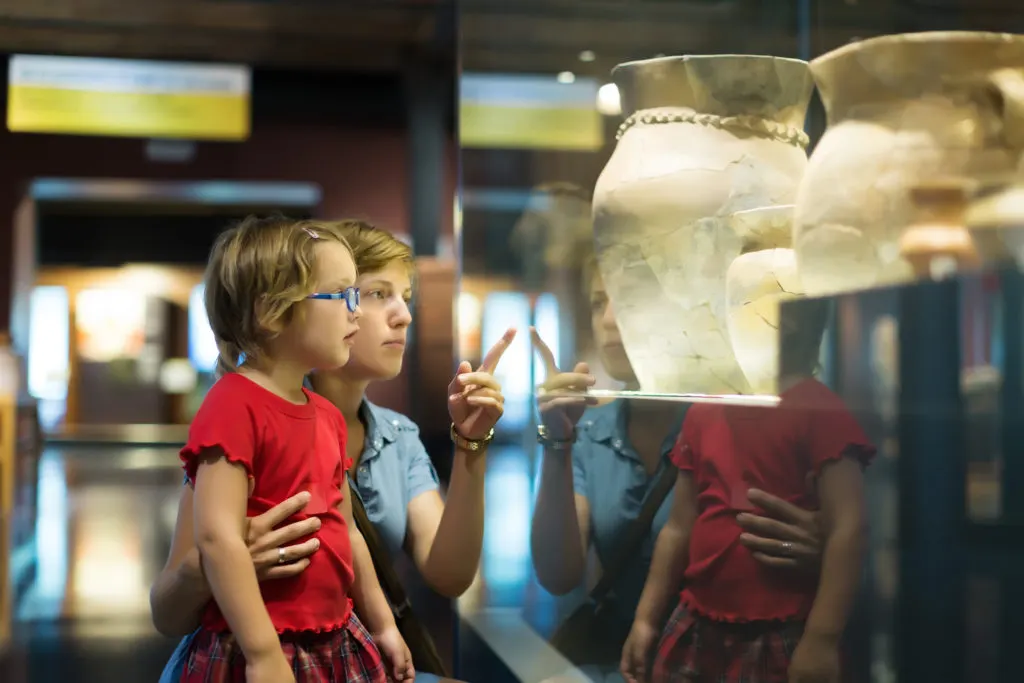
The museums of Rome are one of the Eternal City's biggest draws. The good news is that you can visit many of them completely free if you know when and how. In this guide we explain exactly which days are free, who always gets in without paying, and which monuments won't cost you a single euro.
If you're planning to make the most of your visit without spending too much, we also recommend checking out the 15 free things to do in Rome that we've put together separately.
Table of Contents
- Who always gets in free?
- Museums that are free every day
- Religious buildings you can visit for free
- Free monuments and archaeological sites
- Free museums on the first Sunday of the month
- Tips for visiting free without the wait
Who always gets free entry to Rome's museums?
Whatever the day, some categories of visitor always get in free at Rome's state and city-run museums. Before you buy tickets, check whether you fall into one of these groups:
- Under-18s at museums owned by the Italian state.
- Children under 6 at the city of Rome's municipal museums.
- Tour guides from the European Union (accredited).
- School groups accompanied by teachers or supervisors.
- EU university students of Architecture, Humanities or Fine Arts (with proof of current enrollment).
- People with disabilities and one companion.
If you're traveling to Rome with kids, this is especially useful: most municipal museums are completely free for little ones.
Rome museums that are free every day
These museums don't charge any visitor, whatever the day of the week or time of year. You don't need to book or get up early. Just show up and walk in.
The Pantheon ⚠️ No longer free
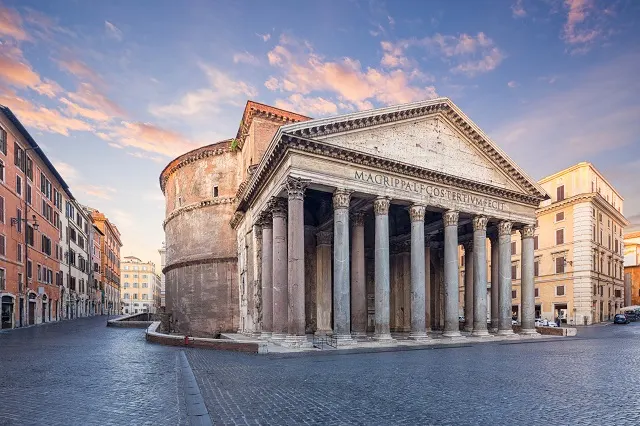
The Pantheon is one of the most impressive buildings to survive from antiquity. For years it was free, but since July 2023 that's no longer the case for tourists. Admission currently costs €5 (2026 price). To find out how to book and skip the line, see our guide to Pantheon tickets.
Address: Piazza della Rotonda.
Museo di Scultura Antica Giovanni Barracco
A small but surprising museum with a collection of ancient sculpture from Egypt, Greece, Rome and Assyria. It's always free and sits right in the historic center. Perfect for a quick stop between monuments.
Address: Corso Vittorio Emanuele 166/A, 00186 Rome.
Museo delle Mura (Museum of the Walls)
Housed in one of the towers of the Aurelian Walls, this museum tells the story of the city's defenses from the 3rd century onward. You can walk along a stretch of wall with views over the Parco della Caffarella. Free every day.
Address: Via di Porta San Sebastiano, 18, 00179 Rome.
Villa di Massenzio
A one-of-a-kind archaeological complex on the Via Appia that includes an imperial palace, a circus and a mausoleum. It was built by the emperor Maxentius in the 4th century. Entry is free and the site is wonderfully quiet, with no crowds.
Address: Via Appia Antica 153, 00179 Rome.
Museo della Repubblica Romana e della Memoria Garibaldina
Dedicated to the history of the Roman Republic of 1849 and to Giuseppe Garibaldi. It stands on the Gianicolo, with superb views over Rome. Always free.
Address: Largo di Porta San Pancrazio, 00153 Rome.
Napoleonic Museum
A free and little-known museum that deserves more attention. It holds a collection of portraits, sculptures and personal belongings of Napoleon and his family, many tied to the Bonaparte presence in Rome. No lines, no crowds.
Address: Piazza di Ponte Umberto I, 1, 00186 Rome.
Museo Carlo Bilotti
This museum occupies the old orangery in Villa Borghese, converted thanks to a donation of works by the collector Carlo Bilotti. It includes pieces by Andy Warhol and Giorgio de Chirico. Admission is free and you can combine it with a stroll through the park.
Address: Viale Fiorello La Guardia, 6, 00197 Rome (inside Villa Borghese).
Museo Pietro Canonica
Set in the former villa-studio of the sculptor Pietro Canonica, inside Villa Borghese. The studio has been kept almost intact, with sculptures, models and the artist's personal effects. An intimate, free corner that most tourists walk right past.
Address: Viale Pietro Canonica 2 (Piazza di Siena), 00197 Rome.
Museo di Casal de' Pazzi
A prehistoric site discovered in 1981 during construction work. It contains the remains of elephants and rhinoceroses from 200,000 years ago, along with Paleolithic tools. Highly recommended if you're traveling with children. Always free.
Address: Via Egidio Galbani, 6, 00156 Rome.
Museo Hendrik Christian Andersen
The former home and studio of the Norwegian sculptor Hendrik Christian Andersen, who lived in Rome until his death in 1940. He left the building and all his work to the Italian state. A quiet, free museum with a very particular story behind it.
Address: Via Pasquale Stanislao Mancini, 20, 00196 Rome.
Religious buildings you can visit for free in Rome
Rome has more than 900 churches. Most are free to enter and hold first-rate art: frescoes, sculptures by Bernini, paintings by Caravaggio, early Christian mosaics. Artistically, many of them outshine paid museums.
St. Peter's Basilica in the Vatican
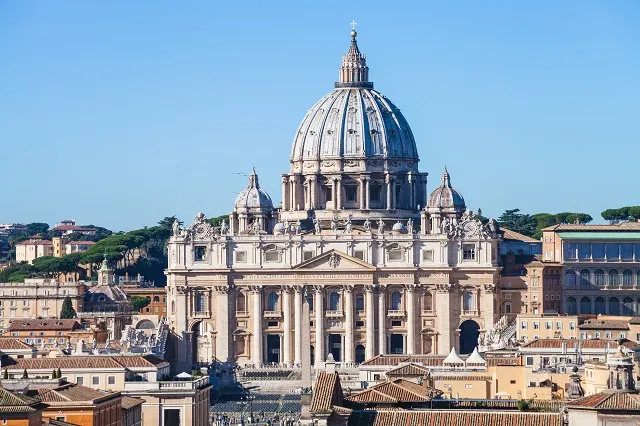
St. Peter's Basilica is the largest church in the world and one of the most visited monuments on the planet. Entry to the basilica is completely free. You only pay to climb the dome (€6 on foot, €8 with the elevator, 2026 prices). Bear in mind there are security checks, so allow extra time.
Basilica of Santa Maria del Popolo
A minor basilica beside Piazza del Popolo that holds two original Caravaggios (the Conversion of Saint Paul and the Crucifixion of Saint Peter) plus works by Raphael and Bernini. Free entry.
Address: Piazza del Popolo, 12, 00187 Rome.
Basilica of San Pietro in Vincoli
This is where you'll find Michelangelo's Moses, one of the most striking sculptures of the Renaissance. It also holds the chains that, according to tradition, bound Saint Peter in prison. Entry is free.
Address: Piazza di San Pietro in Vincoli 4/a, 00184 Rome.
Basilica of St. Paul Outside the Walls
One of Rome's four major basilicas. Its sheer size and its mosaics are stunning. Christian tradition places the tomb of Saint Paul here. The basilica is free; the cloister costs a small extra fee.
Address: Piazzale San Paolo, 1, 00146 Rome.
Free monuments and archaeological sites in Rome
1. Largo di Torre Argentina
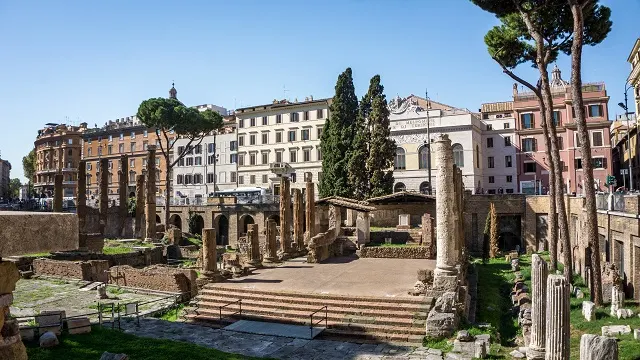
Largo di Torre Argentina is an archaeological complex with four Republican-era Roman temples and the remains of the Theater of Pompey, where Julius Caesar was assassinated. It's also home to a famous stray cat sanctuary. Entry to the archaeological area has been free since 2023, when it opened to the public after decades closed off.
For history lovers, it's one of the best free things to do in Rome.
2. Circo Massimo
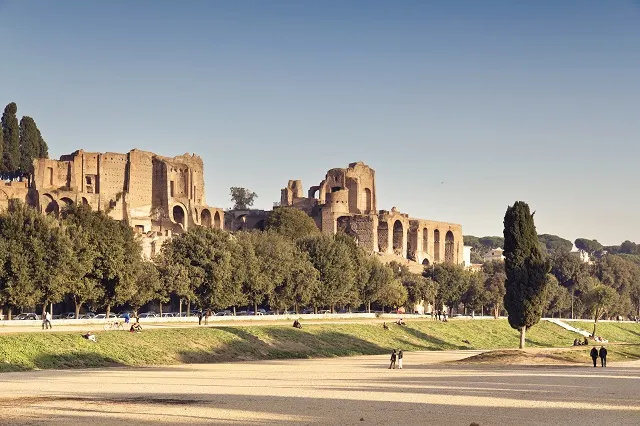
In its heyday, the Circus Maximus was the largest sports venue ever built, holding almost 380,000 spectators. Today it's a big green space where you can walk and take in the archaeological remains. The open area is free; the visitor center charges admission.
3. La Bocca della Verità
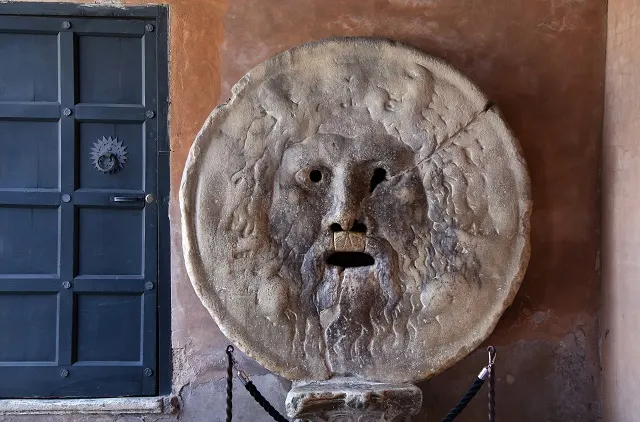
The Bocca della Verità is a 1st-century carving that may represent the god Oceanus. It became world famous thanks to Roman Holiday (1953), with Audrey Hepburn and Gregory Peck. Entry to the church of Santa Maria in Cosmedin, where it sits, is free. There's a line in high season, so go early.
4. Parco degli Acquedotti
A park on the edge of the city where several Roman aqueducts still stand, some as tall as 16 meters. It's one of the most photogenic and least crowded spots in Rome, and perfect for a quiet morning away from the center.
Address: Via Lemonia, 221, 00174 Rome. Always free to enter.
Free museums in Rome on the first Sunday of the month
On the first Sunday of every month, the Italian Ministry of Culture opens all state-run museums and archaeological sites free of charge. It's a great opportunity, but bear in mind that the crowds are huge: arrive very early or book a ticket in advance where possible.
The main places you can visit for free that day are:
The Colosseum and the Roman Forum
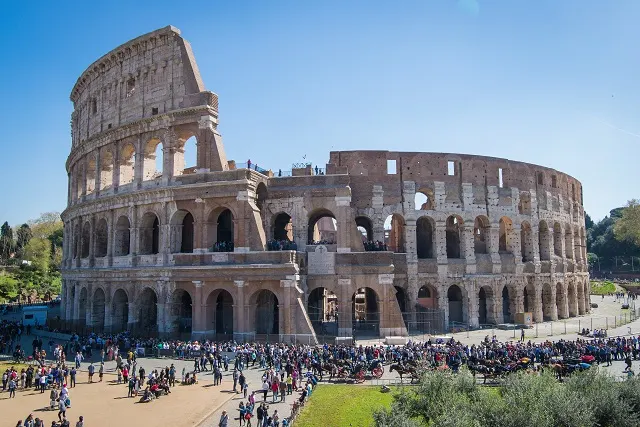
The Colosseum and the Roman Forum are the most visited monuments in Rome. They're free on the first Sunday of the month, but lines can run over 2 hours. Get there before 9:00 am to avoid the wait. You can also join a free walking tour of the surrounding area to get the historical context.
Villa Giulia — National Etruscan Museum
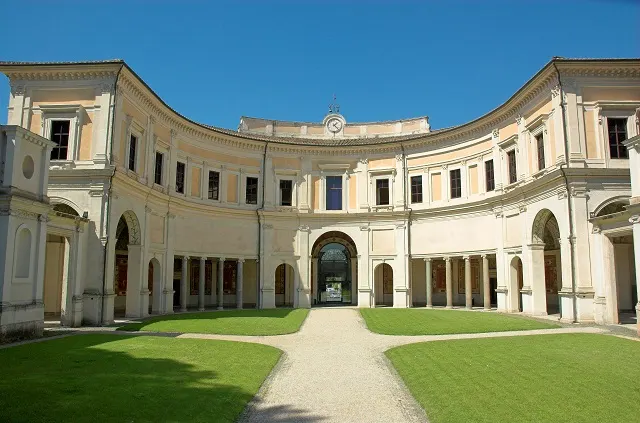
Villa Giulia houses the world's most important museum on Etruscan civilization. Its star piece is the Sarcophagus of the Spouses (6th century BC), a masterpiece of Etruscan sculpture. A museum that surprises everyone who visits.
Palazzo Barberini — National Gallery of Ancient Art
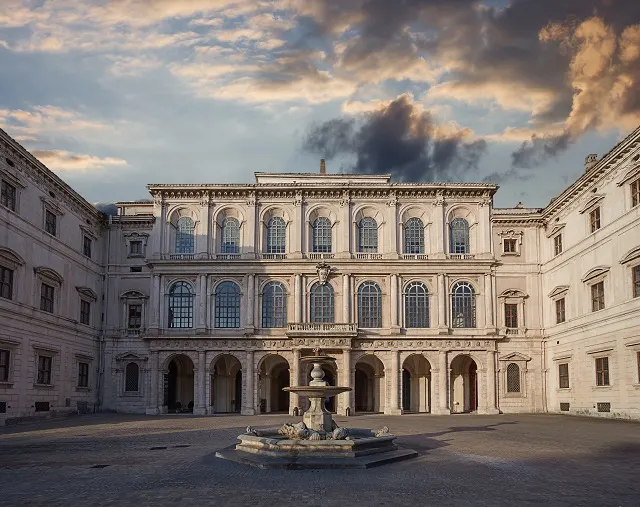
The Palazzo Barberini is an elegant 17th-century Baroque palace that today holds the National Gallery of Ancient Art. It has works by Raphael, Caravaggio, Titian and Holbein. It's one of Rome's most important art museums and one of the most underrated by tourists.
Monument to Victor Emmanuel II (Vittoriano)
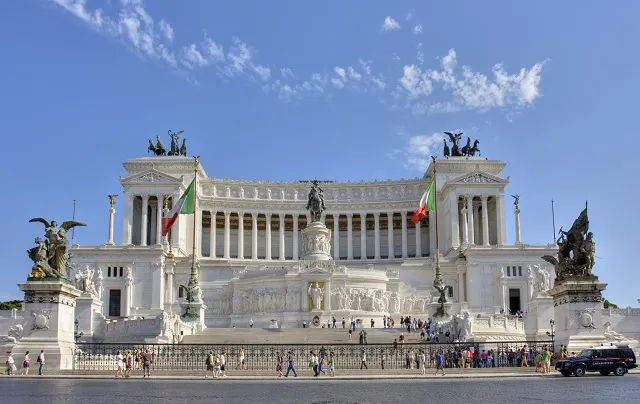
The striking Monument to Victor Emmanuel II, known as the Vittoriano or «the wedding cake», dominates Piazza Venezia. Visiting the monument and its terraces is free every day (the elevator to the roof costs extra). On the first Sunday, its interior museum also opens free of charge.
Borghese Gallery
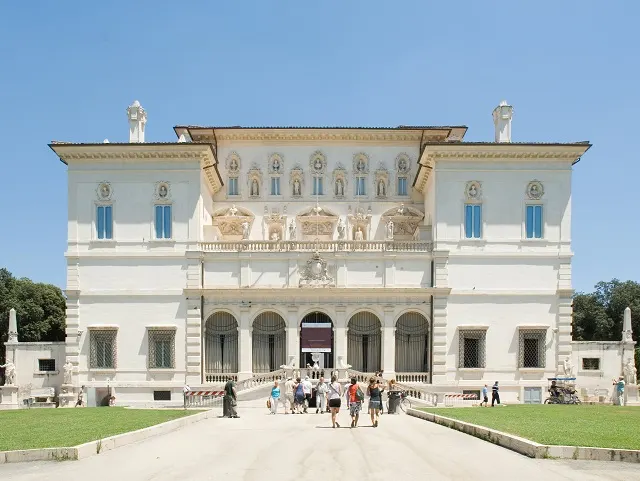
The Borghese Gallery holds one of the most spectacular private collections in the world: Bernini, Caravaggio, Raphael, Titian and more. Tickets sell out weeks ahead, even on the first Sunday of the month, so book well in advance. Afterwards, take a stroll through Villa Borghese, one of Rome's prettiest parks (always free).
Castel Sant'Angelo
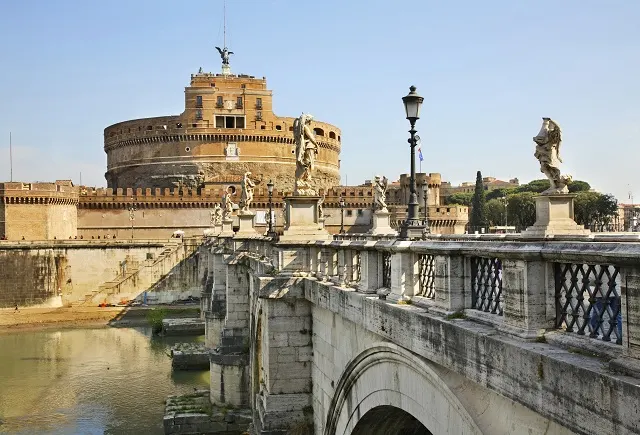
Castel Sant'Angelo is one of the most photographed buildings in Rome. It has been an imperial mausoleum, a medieval fortress, a prison and a papal residence. Entry is free on the first Sunday of the month. The views from the terrace are among the best in the city. Well worth arriving first thing.
Palazzo Massimo alle Terme
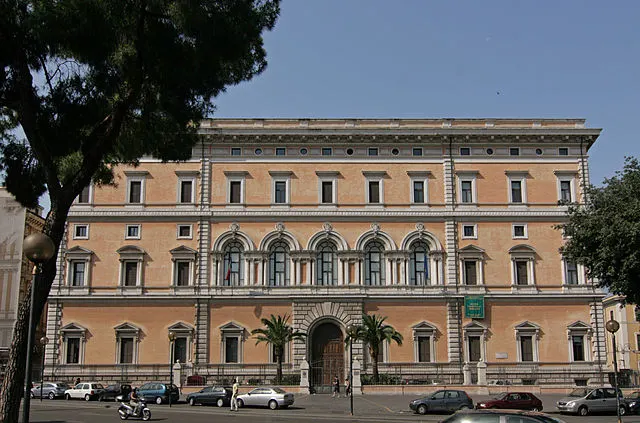
Part of the National Roman Museum, Palazzo Massimo holds some of the finest Roman sculptures and mosaics in the world. The highlight is the room with the frescoes from the Villa di Livia, a one-of-a-kind visual experience. Free on the first Sunday.
Baths of Diocletian
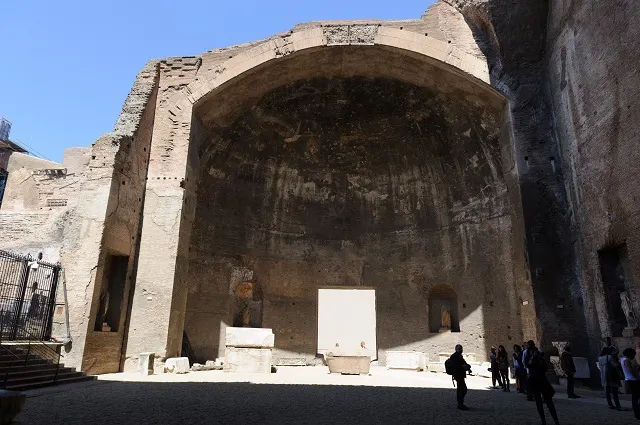
The Baths of Diocletian were the largest public baths in the Roman Empire, with room for 3,000 people. Today they're part of the National Roman Museum. Free on the first Sunday of the month.
Address: Viale Enrico de Nicola, 78, 00185 Rome.
Palazzo Altemps
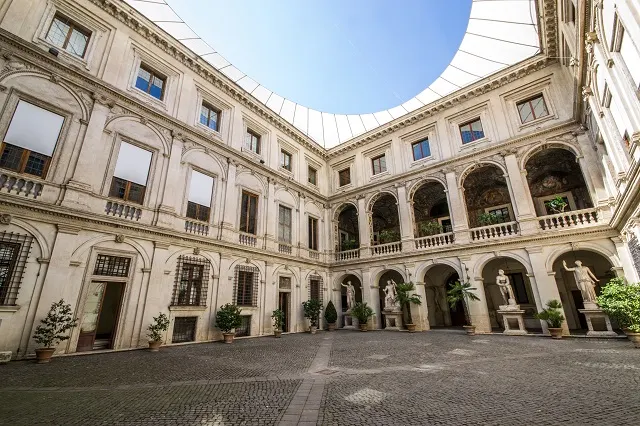
Another branch of the National Roman Museum, in the heart of the historic center. It holds a collection of Greco-Roman sculpture inside a 15th-century Renaissance palace. Calm atmosphere and very few people, even in high season. Free on the first Sunday of the month.
Crypta Balbi
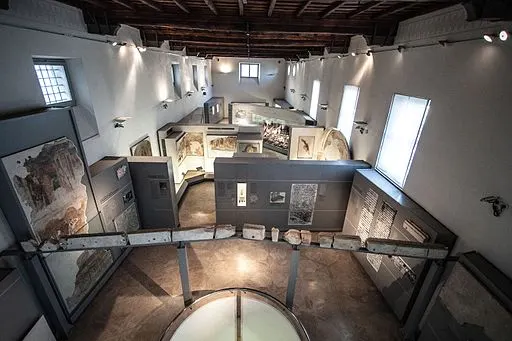
The fourth branch of the National Roman Museum. The Crypta Balbi explains the transformation of Rome from antiquity to the Middle Ages through archaeological remains found beneath the city. Fascinating if you want to understand Rome in depth. Free on the first Sunday of the month.
Vatican Museums — free day
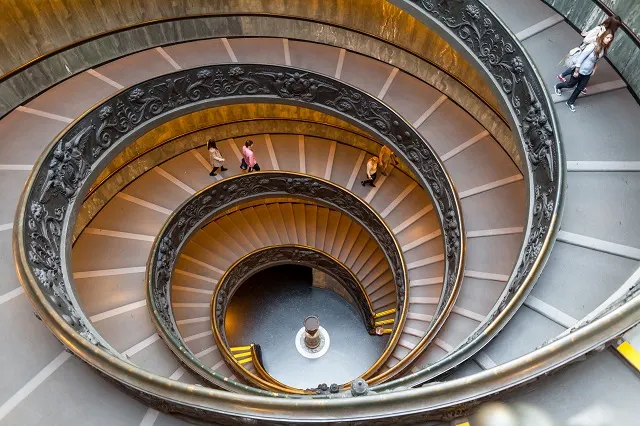
The Vatican Museums (including the Sistine Chapel) are free on the last Sunday of each month, not the first. Lines that day can run over 3-4 hours. If you'd rather not wait, book your Vatican tickets in advance.
Tips for visiting free of charge without the wait
Making the most of free days is smart, but doing it without a plan can ruin your visit. Here are the tips that really make a difference:
- Arrive very early. On the first Sunday of the month, the most popular sites (Colosseum, Castel Sant'Angelo) open at 9:00 am. Being at the door 30 minutes before makes all the difference.
- Book even when it's free. Some museums (the Borghese Gallery, for example) require a reservation even on free days. Always check the official website.
- Avoid August and Easter week. Lines on free days multiply in high season.
- Combine them with museums that are free every day. If the first Sunday is packed, visit the always-free museums (Napoleonic, Barracco, Andersen) with no wait at all.
- Check the official website. Free days can change due to maintenance or special events. Always verify on coopculture.it or the museum's own site before you go.
With a bit of planning, you can see Rome and spend almost nothing on tickets. Take a look too at our full list of free places to visit in Rome to round out your itinerary at no cost.