
Ara Pacis: Augustus’ Altar of Peace You Can Still Visit
Ara Pacis: Augustus’ Altar of Peace You Can Still Visit
Contenidos de esta página sobre Roma
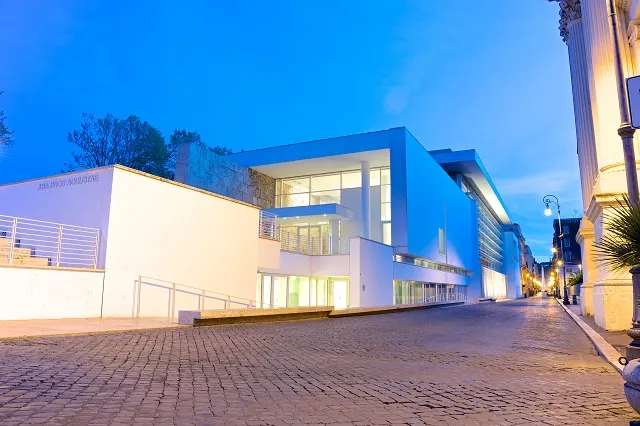
The Ara Pacis Museum, or «Museum of the Altar of Peace», pays tribute to the Roman Empire, and specifically to the victories and the return to Rome of the emperor Augustus. Designed by the celebrated architect Richard Meier, the building houses the spectacular Ara Pacis of Augustus.
Of all the museums in Rome, it is without doubt the most modern and one of the most interesting.
What to see at the Ara Pacis Museum
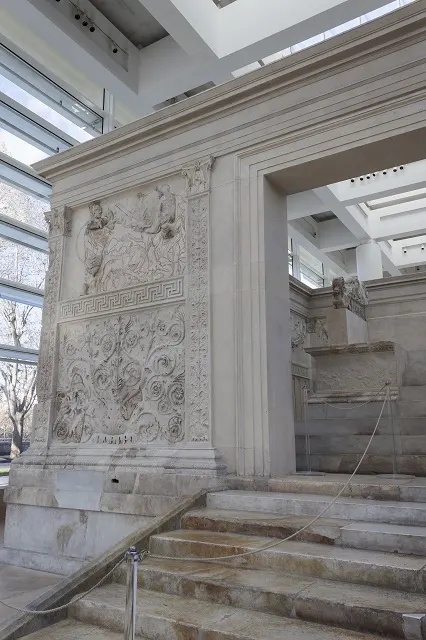
As a monument, the Ara Pacis is one of the most important examples of art from the age of Augustus, and it was built to symbolize the peace and prosperity brought by the «Pax Romana»
The altar is the real star of the Ara Pacis Museum. Built in Carrara marble between the 13th and 9th centuries BC, it measures 11.65 m by 10.62 m on each side and stands 3.68 m high.
The roof has not survived, but there are two doorways. One was used by the priest, the other by the animals that were sacrificed once a year.
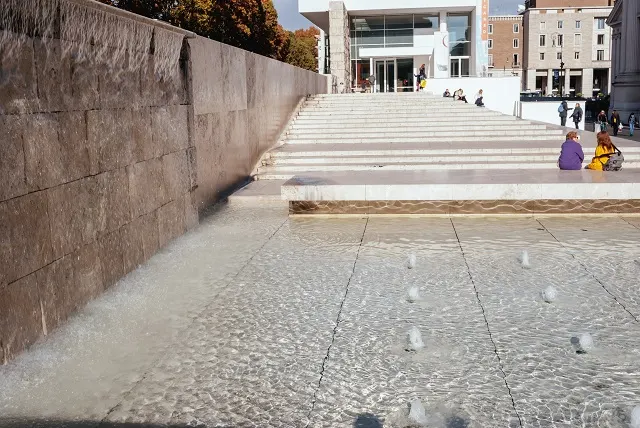
The surface of the enclosure is covered with extremely refined relief decoration, both inside and out, with clear Greek influences in the detailing.
It was Mussolini who decided that the remains making up the Ara Pacis should be protected, and in 1938 he ordered the construction of a structure that no longer exists today. The current building opened in 2006 and was created by the American architect Richard Meier.
Prices
Standard ticket €13. Reduced: €11.
Opening hours
Tuesday to Sunday from 9:00 a.m. to 7:00 p.m. (the ticket office closes one hour earlier).
Closed Mondays, December 25, January 1 and May 1
How to get there
Address: Lungotevere in Augusta. It sits in the Campo Marzio district, next to the Mausoleum of Augustus. The nearest metro station is Spagna on line A (about a 10-minute walk).