
Hadrian’s Villa: What to See at the Emperor’s Retreat
Hadrian’s Villa: What to See at the Emperor’s Retreat
Contenidos de esta página sobre Roma
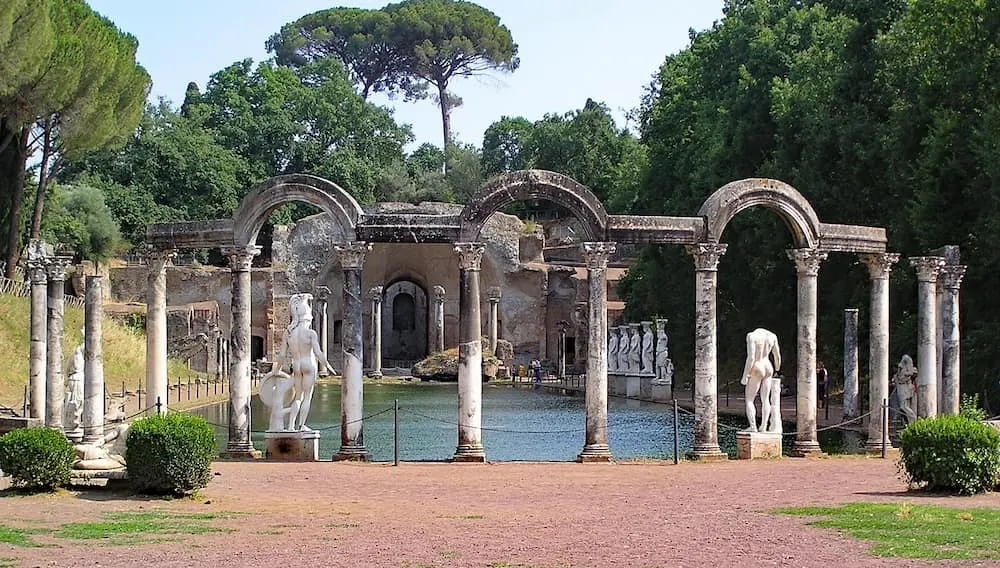
Hadrian's Villa, one of the most important Roman archaeological sites anywhere, sits just 20 kilometers from Rome, on the edge of Tivoli. A UNESCO World Heritage Site, it's one of the most rewarding day trips from Rome.
The complex, built by the emperor Hadrian as his retreat, is a small city whose buildings, baths and palaces are remarkably well preserved. Here's what to see at Hadrian's Villa and how to get there from Rome.
The history of Hadrian's Villa
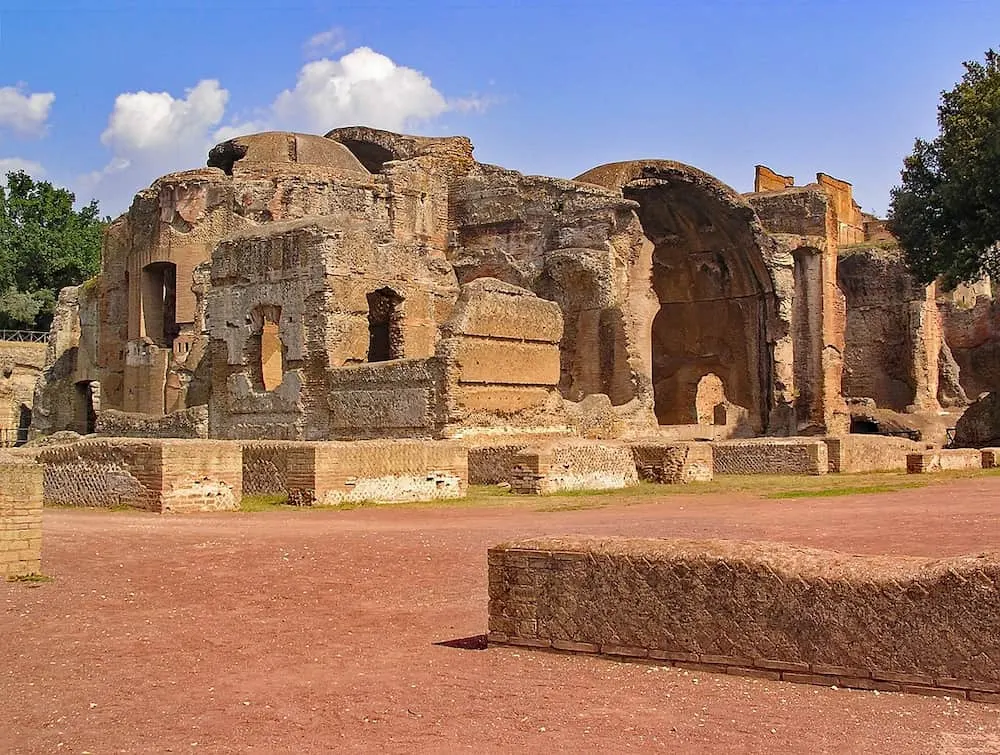
Hadrian's Villa was a small city, built in the 2nd century on the orders of the emperor Hadrian as a place to rest and get away, since he wasn't happy in the palace on the Palatine Hill.
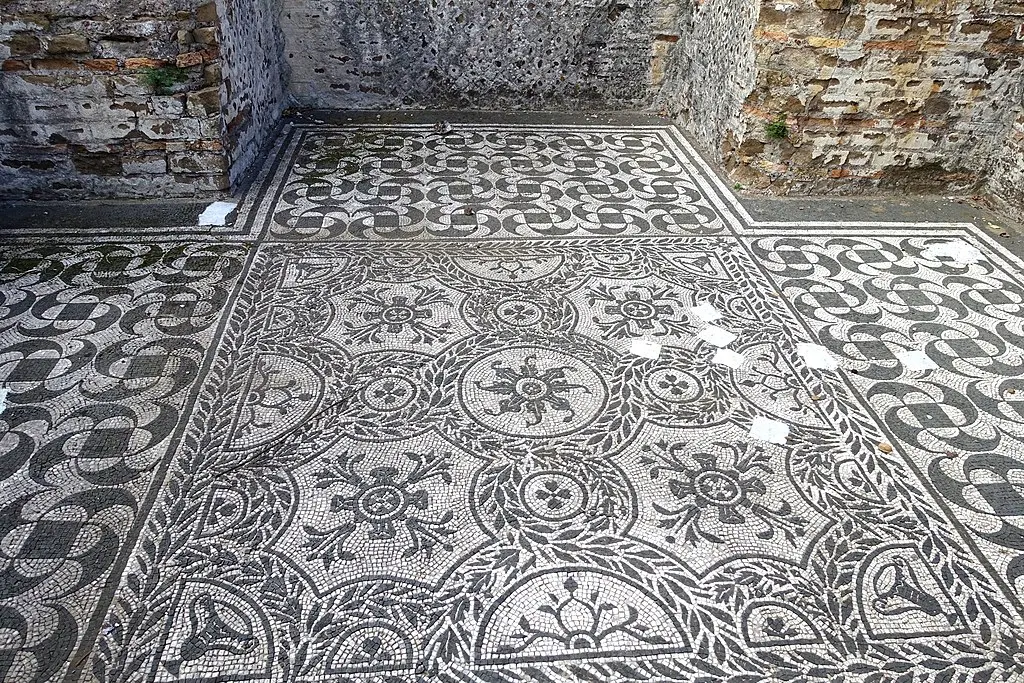
It covered 120 hectares (only forty are open to visitors today) and included more than 30 buildings: palaces, baths, fountains and other Greek and Egyptian-style structures, a particular passion of the emperor's.
The story also goes that the villa was Hadrian's refuge for his love affair with Antinous, a 13-year-old who was his favorite companion, and you can still spot architectural nods to that relationship around the site.
In the 16th century many of the structures were stripped to decorate nearby Villa d'Este, yet you can still get a sense of the grandeur of the era, much as you can at the ancient city of Pompeii.
What to see at Hadrian's Villa
Visiting the Hadrian's Villa complex in Tivoli takes around four or five hours. There's a lot to take in, so here are the highlights you shouldn't miss.
Canopus
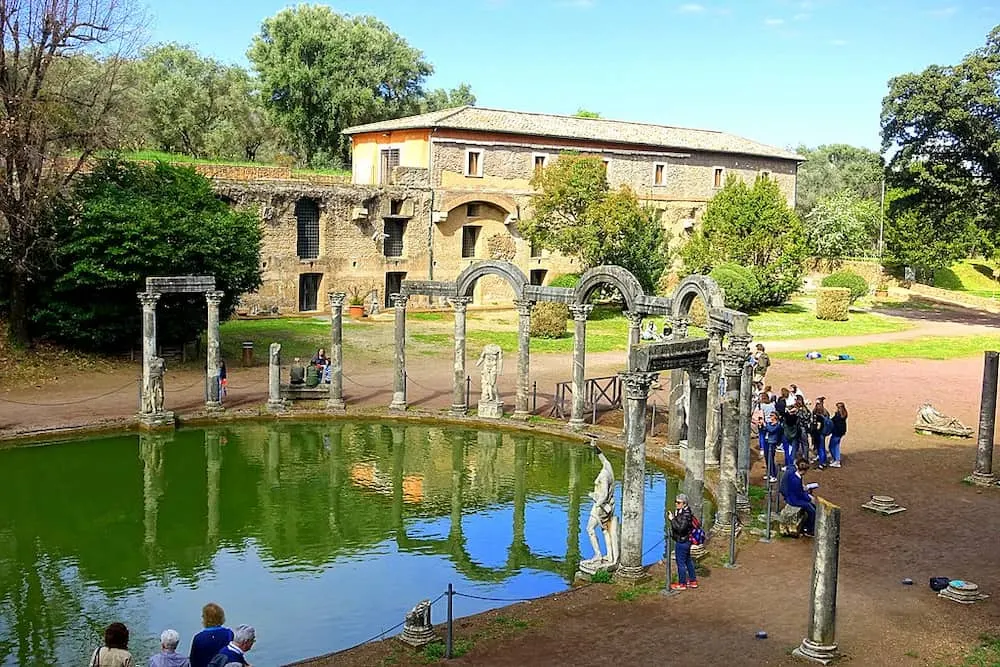
The Canopus is one of the most striking parts of the site. It's a kind of canal, beautifully preserved, lined with Corinthian columns and structures that lead up to a temple.
This is where you'll find the remains of the Great and Small Baths. The area was designed to evoke an Egyptian sanctuary dedicated to Serapis.
The Maritime Theater
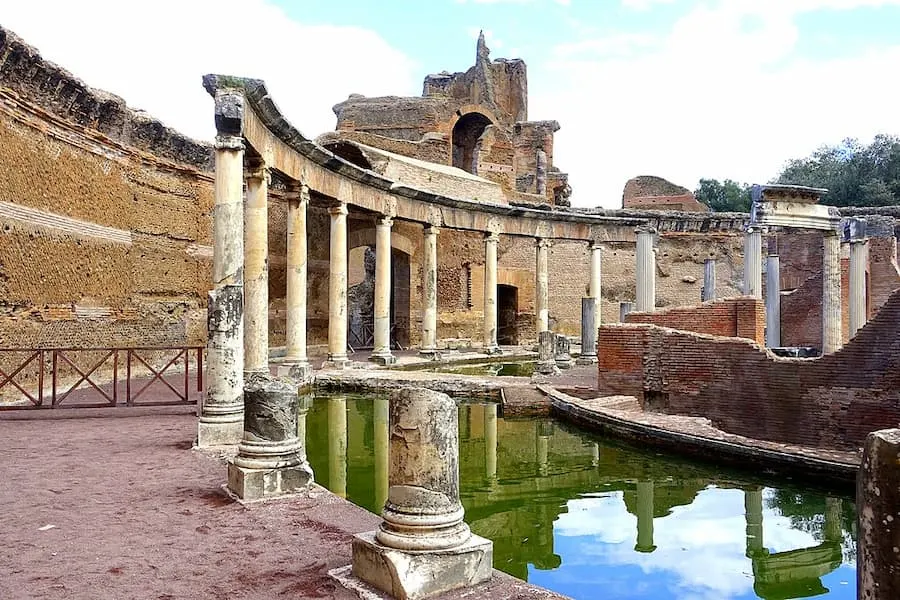
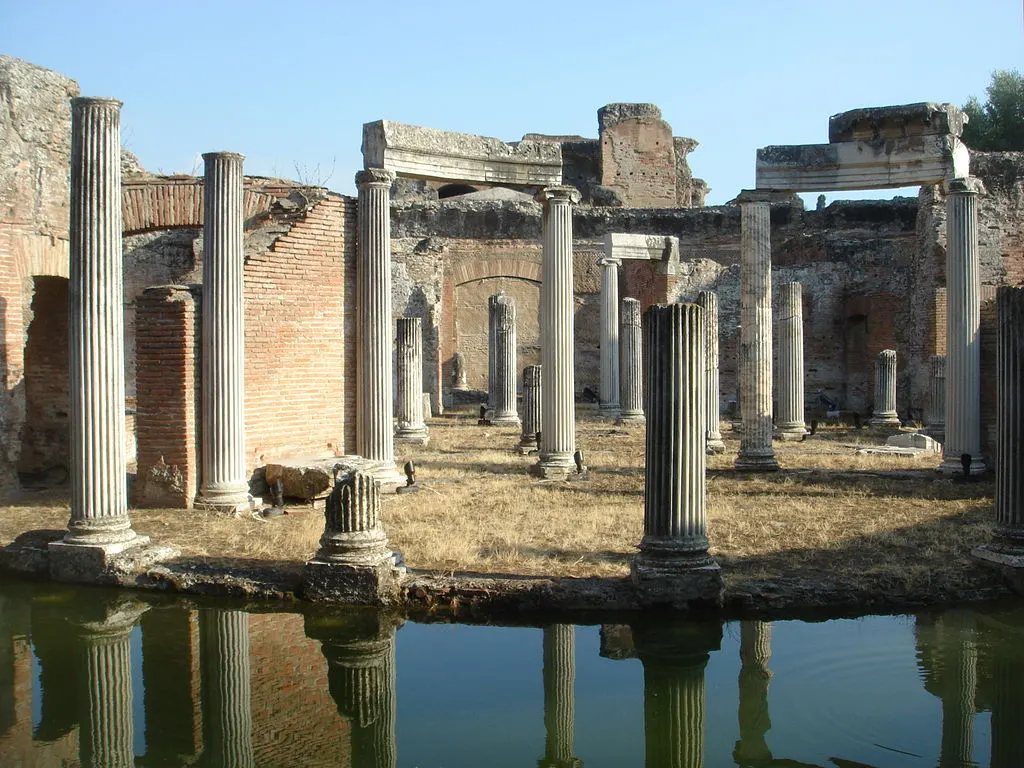
The Maritime Theater at Hadrian's Villa was the emperor's favorite spot to withdraw and think. One of the oldest buildings in the complex, it mimics a small island, with wooden bridges, its own baths, rooms and gardens.
Piazza d'Oro
A wide open courtyard ringed by columns, used for the city's public functions. The main building had an octagonal floor plan and two large underground galleries.
The Pecile
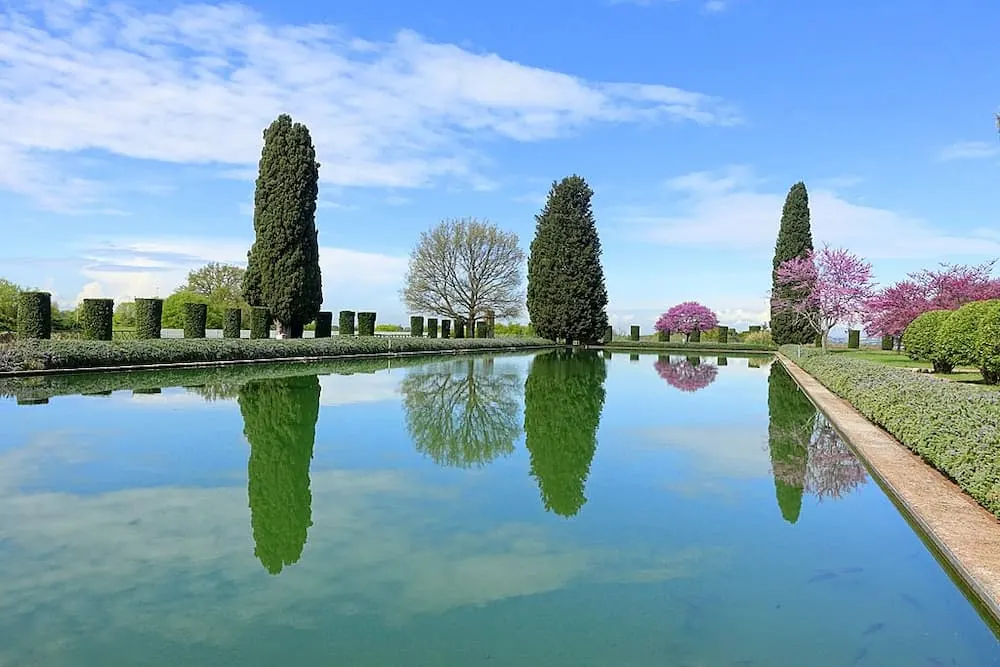
The Pecile is one of the most impressive gardens at Hadrian's Villa, where the emperor liked to stroll and unwind. It has a large central pool and was inspired by the Stoa Poikile of ancient Athens, where philosophers used to walk.
The circular Temple of Venus
This was one of the structures worst hit by the looting. It was restored a century after the ruins were uncovered and resembles a tholos: a circular building from ancient Greece, a form Hadrian loved.
How to get to Hadrian's Villa from Rome
Here's how to get from Rome to Hadrian's Villa on public transportation.
By bus
Roma Termini station connects to metro lines A and B. To reach Hadrian's Villa in Tivoli, take line B to Ponte Mammolo.
From there, catch the Cotral bus to Tivoli, a 30-minute ride. Then take another bus to the entrance of Hadrian's Villa.
By train
You can get to Hadrian's Villa from Rome by train, but it's pricier and slower. Take the Rome-Tivoli line, then bus 4 to the site entrance.
The easiest and most comfortable option is to book a day trip to Tivoli from Rome. Transportation and a Spanish-speaking guide are included, and you'll get to see both Hadrian's Villa and Villa d'Este, which are close together.
Prices and opening hours
- The site is open daily from 8:15am to 7:30pm.
- Admission is €18, and entry is free on the first Sunday of each month. You can buy your ticket here.
There's still plenty more to see in Rome, and it pays to plan ahead so you can make the most of your days. Rome's artistic and architectural legacy runs deep, from the Colosseum to the Vatican Museums and the magnificent Sistine Chapel.