
One Day in Rome: The Walking Route You Need
One Day in Rome: The Walking Route You Need
Contenidos de esta página sobre Roma
- What to see in Rome in a day
- The Colosseum, a must-see in Rome
- The best way to visit the Colosseum, Forum and Palatine
- The Arch of Constantine and the Roman Forum
- Piazza Venezia
- The Pantheon
- Piazza Navona, the heart of ancient Rome
- A walk through Rome's prettiest squares
- On the way to the Trevi Fountain
- Final stop on your day in Rome: the Spanish Steps (Piazza di Spagna)
- Map for seeing the best of Rome in one day
- Tips for traveling to Rome
- How to save money in Rome
- Discover Rome with the Go City pass
- Hotels in Rome for every taste
- How to get from the airport to central Rome
- Leonardo Express ticket
Rome wasn't built in a day, and 24 hours is barely enough time to get to know this city. Ideally you'd have at least a few days for the places to visit in Rome, but here's a short walking route so you don't miss the essentials of the Eternal City on a quick getaway.
Read to the end, because we've picked out a route bursting with history, art and food covering the best of the vibrant Italian capital for your one day in Rome.
What to see in Rome in a day
Yes, we know that seeing all of Rome in a day isn't easy, but enjoying the best of the city is something you can reasonably pull off. This route takes in 7 of the most famous places to visit in Rome.
The Colosseum, a must-see in Rome
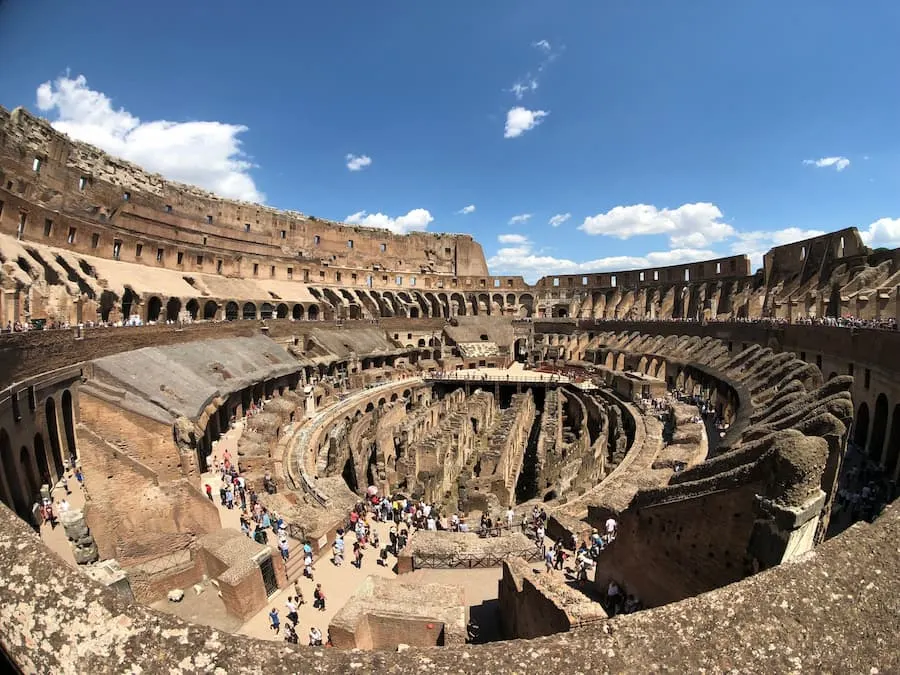
Of course we start VERY early to make the most of the day: the first stop is the Colosseum, the most visited monument in Italy, which opens at 8:30 am.
This is the largest structure still standing from ancient Rome; construction began in 72 AD with the aim of entertaining the Roman public with games and spectacles. There are guided tours of the Colosseum every day from 10:15am to 4:45pm, with available time slots varying by season.
Only the remains of the arena floor, which measured 83m by 48m, are left, and now you can see the walls of the hypogeum: a vast two-story labyrinth of tunnels connecting storerooms, training rooms and animal cages, all hidden beneath the floor.
The Arch of Constantine and the Roman Forum
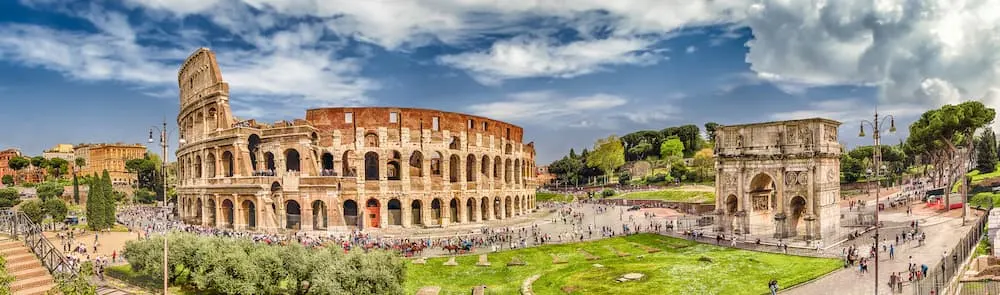
Standing beside the Colosseum is the imposing Arch of Constantine, built to honor the emperor as «liberator of the city and bringer of peace.»
The Colosseum is part of the same archaeological complex as the Palatine Hill, where Romulus founded the city, and the Roman Forum.
This is one of the richest archaeological areas in the world and one of the most important places to visit in Rome. One of the Roman Forum's functions was to host military parades and celebrate victories in war.
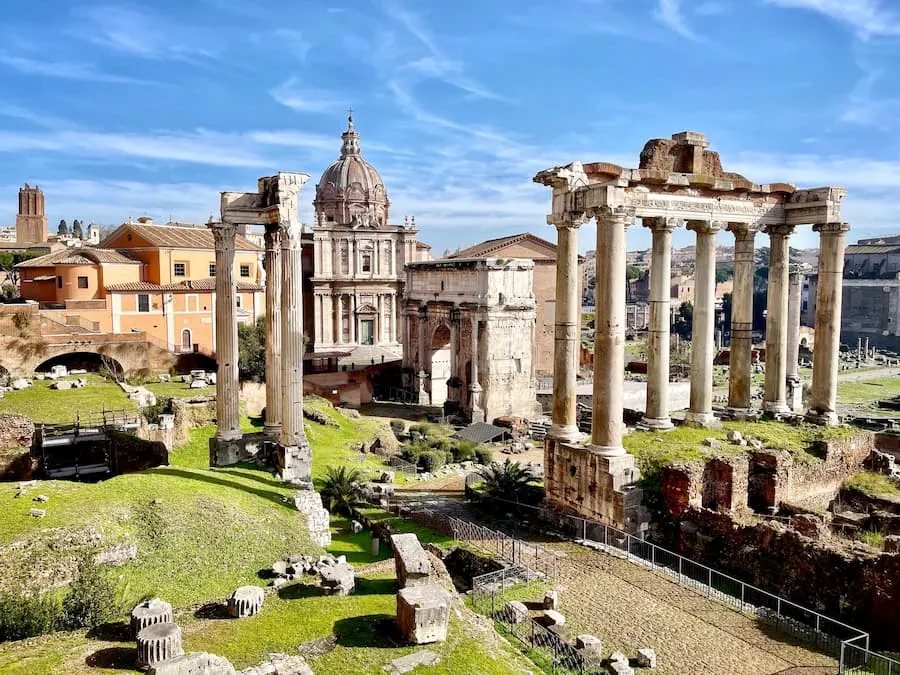
The monument was expanded several times with what became known as the Imperial Forums, which include the Forum of Caesar, the Forum of Augustus, the Forum of Peace, the Forum of Nerva and the Forum of Trajan. Remember that the Colosseum ticket also includes entry to the Forum and Palatine.
Piazza Venezia
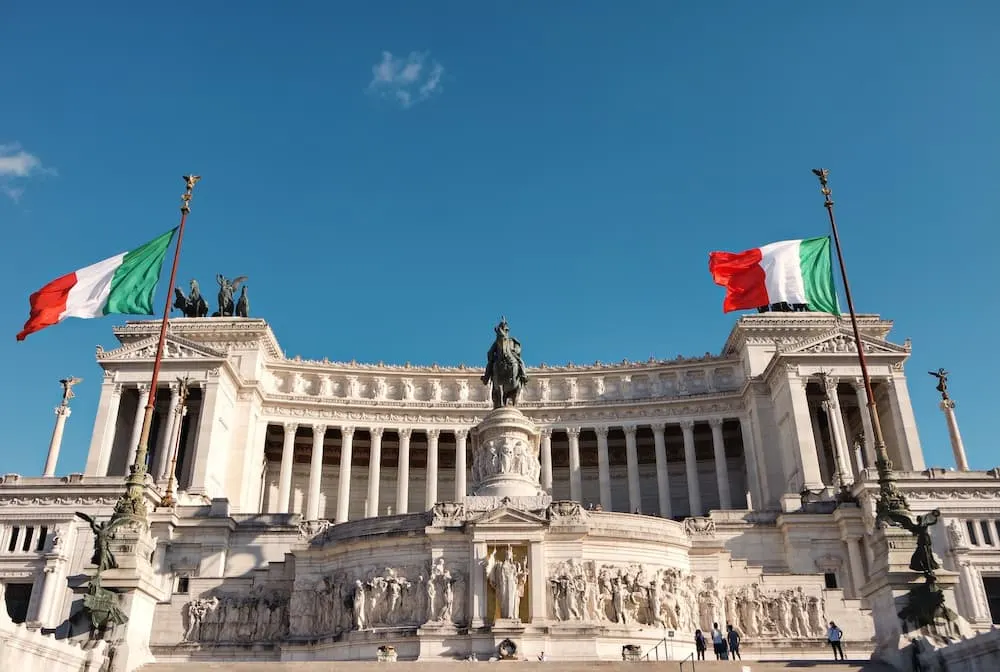
Next we reach Piazza Venezia, a historic spot that's home to the Altar of the Fatherland and the tomb of the unknown soldier. This is where public events take place, such as Liberation Day and the Festival of the Republic.
Wander the surrounding streets and see important monuments like the Palazzo Venezia, the Palazzo Valentini and Trajan's Column.
Worth noting: since 2021 you can also see the remains of Hadrian's Auditorium, an archaeological area uncovered during works for a new metro line and a fascinating example of 2nd-century AD Roman architecture. This free tour covers Piazza Venezia and several of the monuments we've mentioned.
Ready for lunch? We wouldn't suggest eating on the square itself: beautiful as it is, it's far too busy. Head instead to Antica Birreria Peroni (Via S. Marcello 19), serving excellent Mediterranean dishes since 1906. Another option is Caffé Doria (Via della Gatta 1), where the pizzas are good and the coffee even better.
The Pantheon
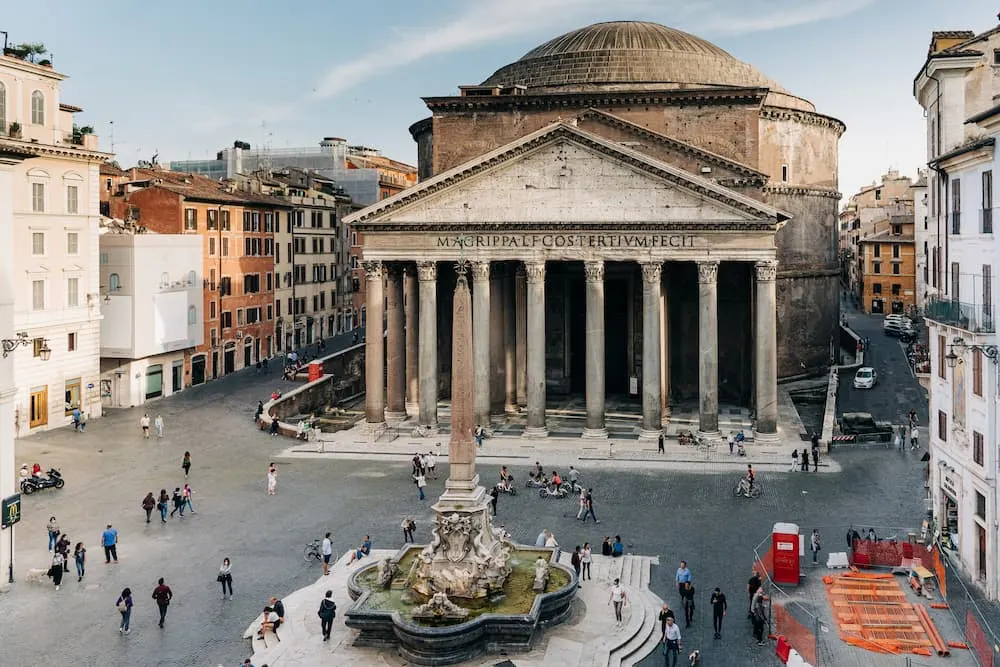
The fourth stop on our express day in Rome is the best-preserved ancient structure in the city: the Pantheon.
This temple, built in honor of the gods (its name translates as «Temple of all the gods»), is today the resting place of two kings of Italy. The plan was for the whole monarchy to be buried here, before it was abolished in 1946.
It also serves as a Catholic church on Sundays, and weddings are occasionally held here.
At the entrance, 16 granite columns hold up the facade of this imposing structure. The marble floor and bronze doors draw plenty of attention, but what will really take your breath away is the beautiful dome: the largest unreinforced concrete dome in history, 43.4m wide and 43.4m high.
Once outside, take a stroll around Piazza della Rotonda, right in front of the Pantheon, and admire its lovely fountain. While you're there, look in on the pretty Baroque church of Santa Maria Maddalena and the Temple of Hadrian, which dates from 145 AD.
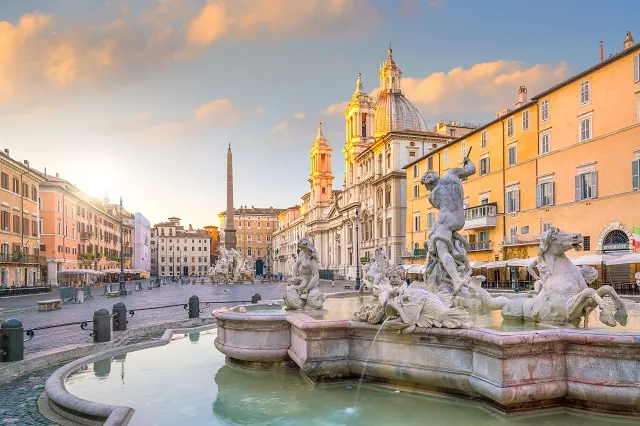
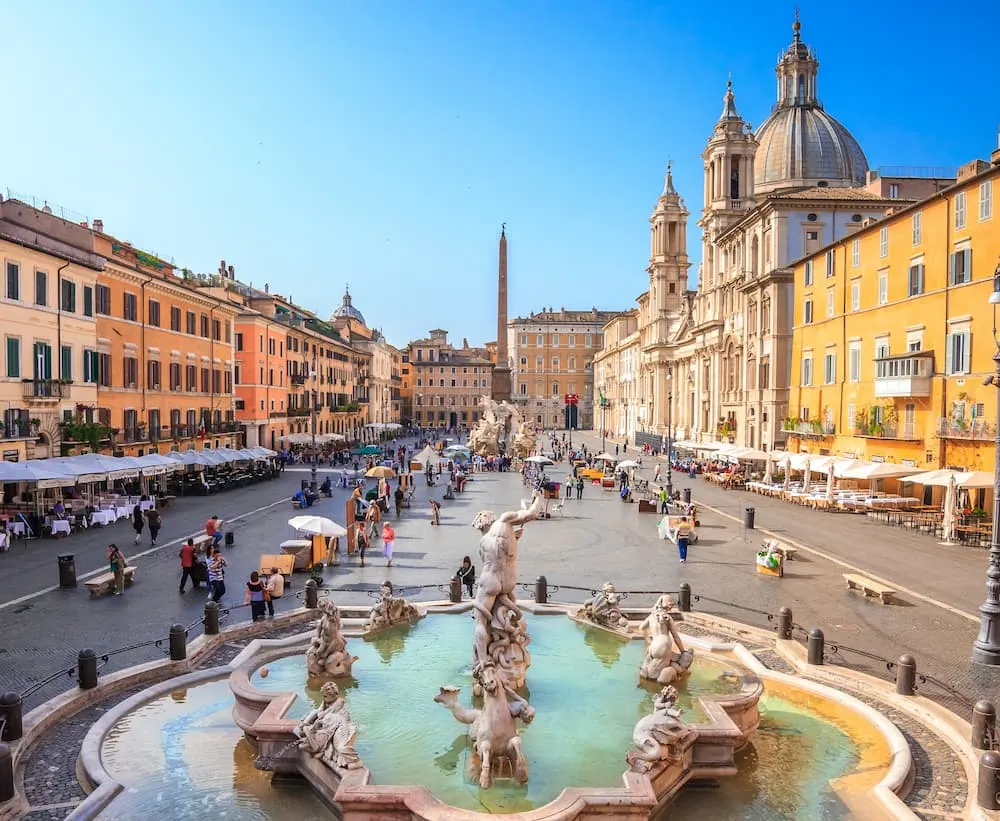
Some 350 meters from the Pantheon lies one of Rome's most famous squares: Piazza Navona, once the site of the Stadium of Domitian, which seated up to 30,000 spectators, and later a central market.
We promise you won't stop taking photos of its 3 fountains: Fontana dei Quattro Fiumi, Fontana del Moro and Fontana del Nettuno. Piazza Navona is an absolute yes for lingering a while, with no shortage of palaces, churches, cafes and charming restaurants to explore.
Facing the square you'll see the basilica of Sant'Agnese in Agone, a fine example of 17th-century Baroque architecture. Another interesting stop is the Museo di Roma (Palazzo Braschi), which today displays works by Italian and international artists, among them Nicola Salvi, the designer of the Trevi Fountain.
On the way to the Trevi Fountain
The second-to-last monument on this one day in Rome is the majestic Trevi Fountain. It's one of the oldest fountains in Rome and considered by many the most beautiful in the world. A 12-minute walk along Via Giustiniani takes you to Nicola Salvi's great masterpiece.
On the way, stop briefly at the church of San Luigi dei Francesi, famous for housing major works of art such as The Martyrdom of Saint Matthew, The Calling of Saint Matthew and Saint Matthew and the Angel, all by the Baroque master Caravaggio himself. This hidden gem is one of our favorite places to visit in Rome.
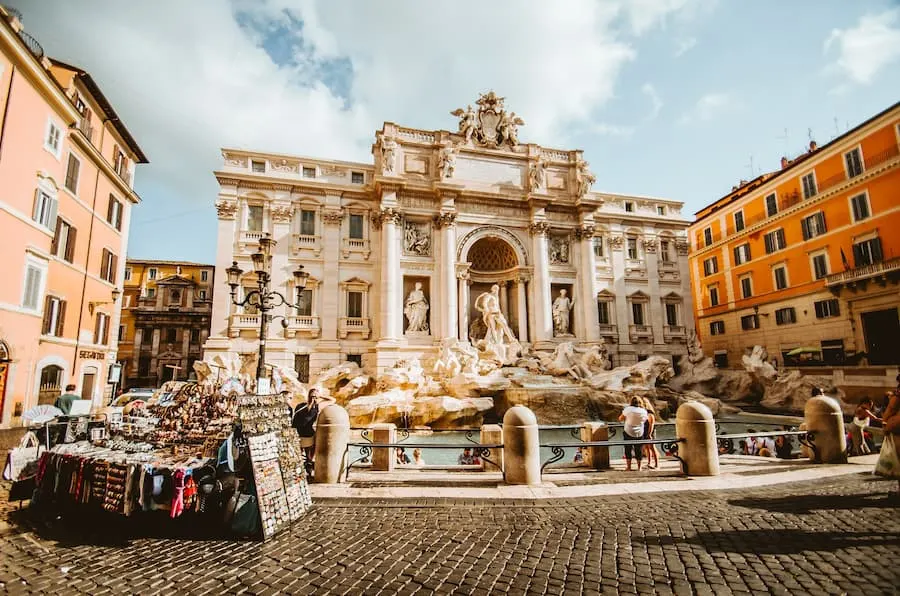
The Trevi Fountain sits at the junction of three streets and marks the endpoint of the Aqua Virgo, one of the ancient aqueducts that supplied water to Rome. It stands 20m tall and 30m wide.
The fountain is a Baroque masterpiece, while the buildings around it are Rococo and Neoclassical, creating a unique blend of artistic legacies coexisting in perfect harmony.
You may not have known this, but around €3,000 is thrown into its waters every day. It comes from the tradition that tossing a coin guarantees your return to Rome. The money is donated to charities, and it's actually illegal to steal coins from the fountain.
Final stop on your day in Rome: the Spanish Steps (Piazza di Spagna)
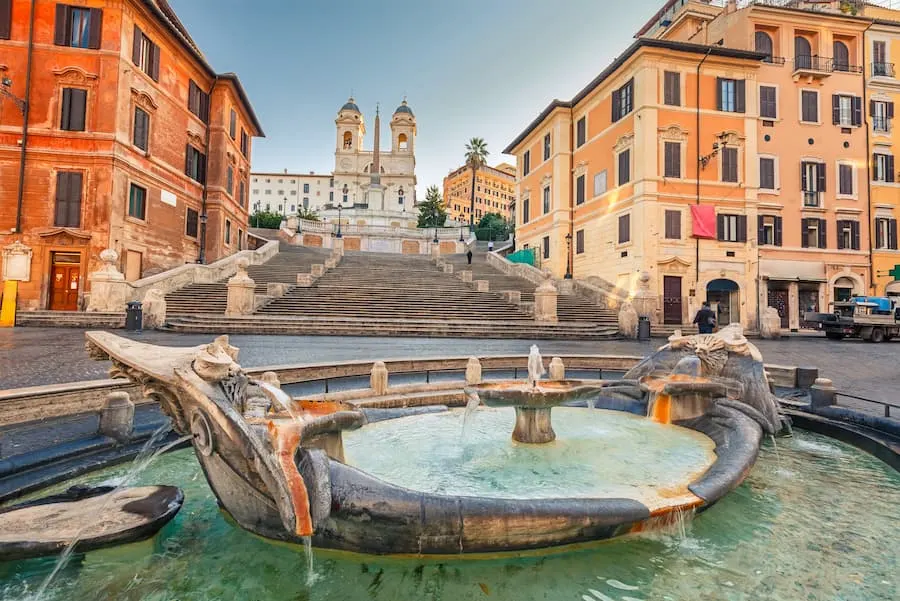
You'll wrap up your one day in Rome at the Spanish Steps (Piazza di Spagna). The spot is hugely popular thanks to its famous staircase, the most celebrated in Italy, inaugurated in 1725. Plenty of films have been shot here with the steps as a backdrop, among them The Talented Mr. Ripley (1999), Roman Holiday (1953) and To Rome with Love (2012).
Piazza di Spagna also draws crowds for its genuine Egyptian obelisk, 13.9 meters tall and carved from red granite. Another highlight is the lovely Fontana della Barcaccia, sculpted by Gian Lorenzo Bernini, one of the most influential artists ever to live in the city.
Another reason to come here? The elegant shops all around. Valentino has its atelier right beside the square, which tells you something. It's easily one of the best places to go shopping in Rome in real style.
Round off a perfect day in Rome with dinner on the city's oldest terrace, at the Imago restaurant (Piazza della Trinità dei Monti, 6, 00187). It sits next to the church of Trinità dei Monti (which you reach by climbing the steps) and serves the best of Italian cooking with an interesting mix of exotic ingredients.
Map for seeing the best of Rome in one day
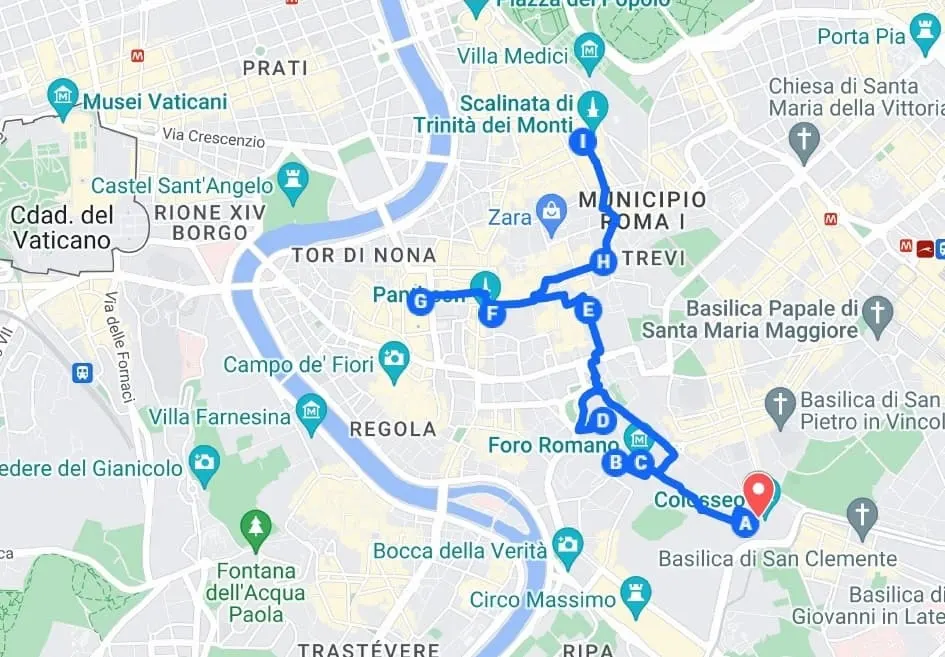
If you liked this route, here's the map with the itinerary and every stop. Click the image to download it as a PDF or open it in Google Maps.
Tips for traveling to Rome
Follow the advice below to get the most out of your trip to Rome. You'll save on accommodation, food and transport, but above all on time.
How to save money in Rome
- Take advantage of the «aperitivo» and eat for free: from 6:30 pm and on past 9:00 pm, plenty of pubs and cafés where you can eat in Rome offer a free buffet with the purchase of a drink. It's a great chance to soak up local culture while having dinner free or for very little.
- Skip table service for coffee: follow the local habit of ordering your espresso standing at the bar and save yourself the service charge.
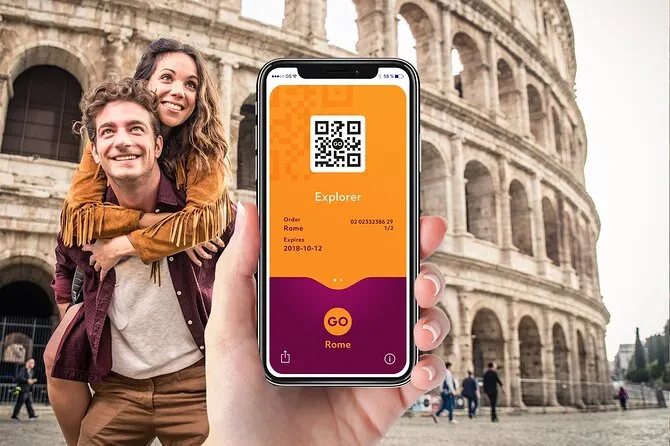
- Make the most of tourist cards: they usually come with discounts at the main attractions, which means spending less. We recommend the Go City Rome Explorer Pass, which lets you choose from more than 30 attractions, tours and experiences.
What we like about this card is that it doesn't work by hours or days but by the number of attractions you want to visit, so it adapts to any travel style.
For tighter budgets we always recommend free tours. This free tour in Rome covers the area around the Colosseum and the Forums at no cost.
Hotels in Rome for every taste
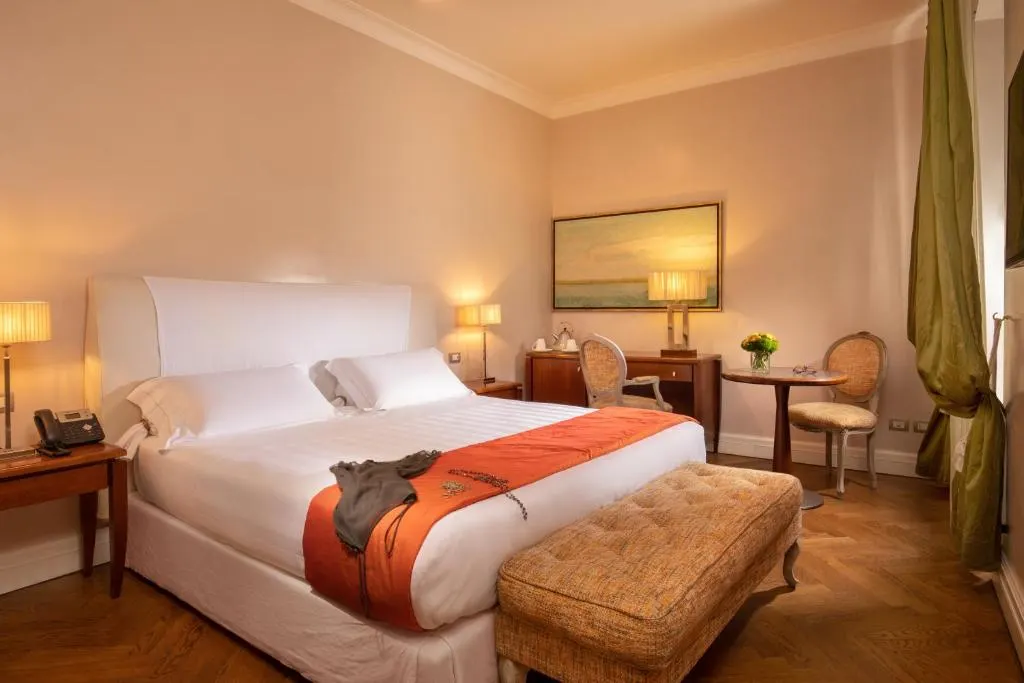
There are around 40,000 hotels in Rome, so you won't struggle to find the right one for you. Options run from family hotels to romantic hotels, perfect for couples.
You can choose where to sleep based on the side of the Eternal City you most want to explore. We like to say there's something charming in almost every one of Rome's neighborhoods: food and nightlife in Trastevere, luxury in Parioli, ancient ruins in Monti, or the Vatican in Prati.
The hotels near Fiumicino airport are a good bet if you have a very early or late flight. Otherwise we suggest staying close to the main monuments so you can make the most of them, without worrying about getting around.
There's a huge range of accommodation near Rome's main monuments:
- Take a look at these Hotels in Piazza Navona
- Discover the best Hotels near the Colosseum
- Browse our pick of hotels near the Trevi Fountain
How to get from the airport to central Rome
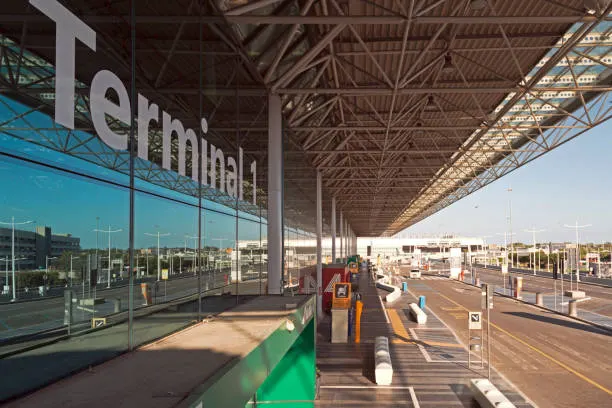
There are two airports in Rome, both international. The main one is Rome-Fiumicino «Leonardo da Vinci» International Airport (FCO); the other is Giovanni Battista Pastine Airport, better known as Ciampino (CIA), which handles fewer travelers.
There are plenty of ways to reach Rome from Fiumicino:
- The train, signposted straight from the arrivals area and just a ten-minute walk from the airport terminals. To get into the city center we recommend the Leonardo Express, which runs non-stop and drops you off in barely half an hour.
- Another way to get to Rome from Fiumicino is by bus. This bus from Fiumicino to Rome has tickets from 7 euros.
- If your flight lands at Ciampino, check the options for getting to Rome from Ciampino.
If you'd rather skip the train, buses connect this airport directly with Termini station every day.
If you prefer to book something even more personalized in advance, we recommend private transfers in Rome (from €58 each way).
Of course, hundreds more attractions await in the Eternal City. If you have more days, here's everything to see in Rome in 3 days